Several FDA-approved medications have been clinically proven to improve mood stability. Learn more in our detailed bipolar medication guide.
We strive to make bipolar disorder care more approachable, responsive, and supportive for every patient. Our mission centers on affordable treatment, quick access to appointments, and the ability to message your provider directly. Bipolar disorder often requires careful attention over time, and we believe you deserve a team that listens closely and adapts care to your needs. Instead of navigating complicated systems, you can receive clear guidance and consistent monitoring. Our goal is to help you find balance, stability, and hope through accessible psychiatric support. We’re here to provide Bipolar Disorder treatment and other mental health services in Parkland, FL.
Bipolar disorder can present itself in many different ways. There are many signs and symptoms to watch out for.
People with bipolar disorder may experience emotional instability as difficulty regulating feelings, which can disrupt routines, sleep, and communication with loved ones.
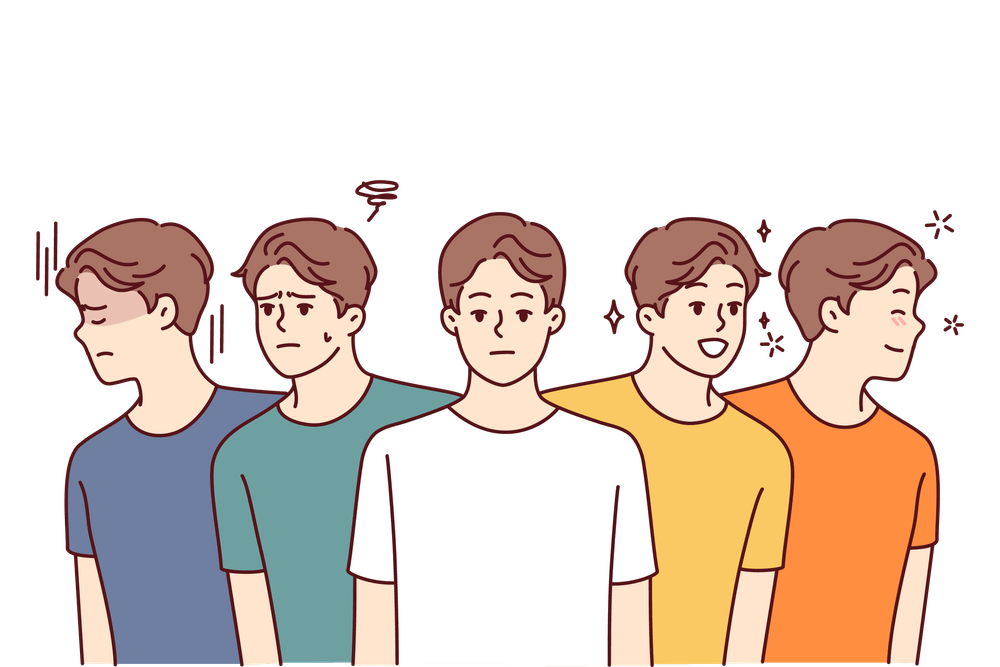
Bipolar disorder mania often involves elevated mood, irritability, and rapid decision-making, sometimes followed by exhaustion or depressive shifts afterward.
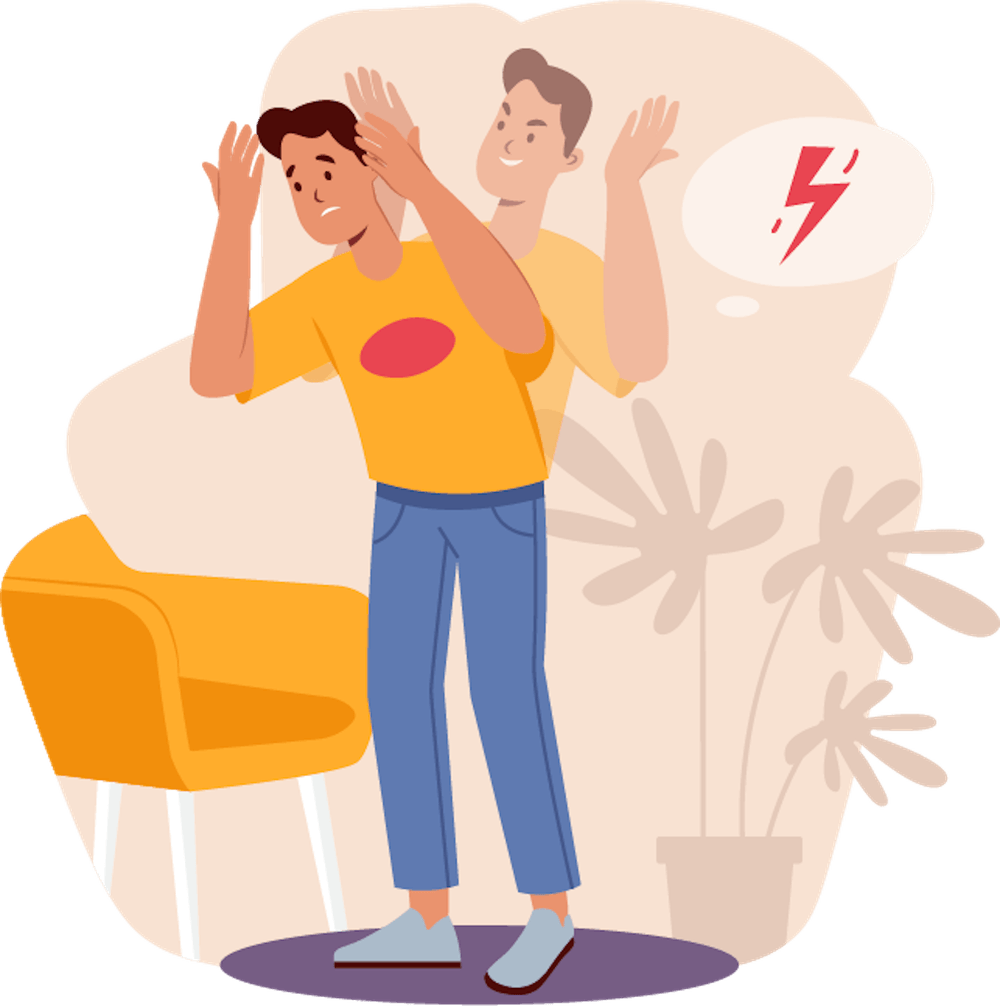
During bipolar depressive phases, concentration can fade, sleep patterns shift, and the world may seem dimmer, even without an obvious external trigger.
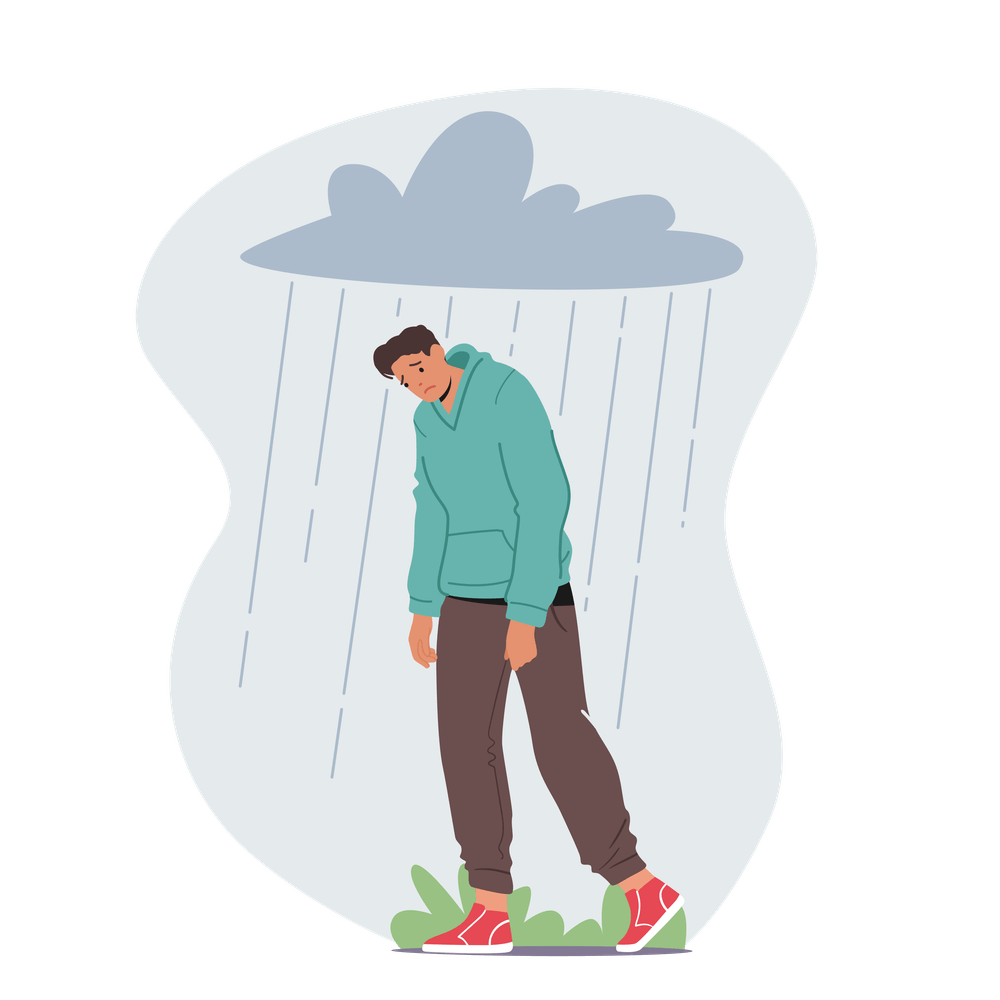
Risky sexual behavior can sometimes occur in bipolar disorder during manic episodes, reflecting heightened drive and reduced awareness of personal safety.

Many individuals notice impulsivity increases when sleep decreases, making it an early signal that bipolar mood symptoms may be escalating.

Therapy can be a strong complement to medication in bipolar disorder. It helps people recognize triggers manage stress and rebuild routines after episodes. Cognitive behavioral strategies can reduce depressive thinking patterns and improve problem solving. Interpersonal and social rhythm therapy focuses on stabilizing daily schedules which supports mood stability. Therapy also helps with grief identity shifts and relationship repair after difficult periods. Skills like emotion labeling grounding and boundary setting reduce reactivity during early warning stages. Treatment works best when therapy goals are practical measurable and tied to real life functioning
In Parkland bipolar episodes can strain relationships through irritability impulsivity or withdrawal. Repair begins during stable periods with calm honest conversations. Use specific language about what changed such as less sleep faster thinking or feeling overwhelmed. Create agreements like shared spending limits during high energy phases or a signal word for stepping away from conflict. Encourage loved ones to learn early warning signs so support comes sooner. Couples therapy can help rebuild trust and set boundaries. Treating bipolar disorder as a shared challenge reduces shame and improves connection long term
We offer medication management for mental health conditions such as ADHD, anxiety, depression, insomnia, and bipolar disorder.
People with ADHD often experience forgetfulness, misplaced items, and difficulty managing schedules, not from laziness, but from differences in executive functioning.
With anxiety, everyday choices may feel heavy, as the mind tries to predict outcomes, avoid mistakes, and prepare for every possible scenario.
With depression, the mind may become self-critical, replaying failures and doubts while ignoring strengths, making confidence and hope harder to hold onto.
With insomnia, the brain may stay in overdrive, replaying conversations, planning tomorrow, or scanning for stress long after lights go out.
Early signs of bipolar disorder can include noticeable shifts in mood energy and sleep that feel stronger than everyday stress In Parkland some people first notice bursts of motivation followed by periods of sadness irritability or exhaustion Tracking patterns with a mental health professional can help clarify what is happening Early evaluation supports better stability at work school and home and can reduce the risk of symptoms escalating over time
Bipolar disorder can influence communication routines and relationships within families in Parkland Mood episodes may lead to misunderstandings changes in patience or difficulty keeping plans Consistent treatment and family education often improve support at home Many families benefit from therapy that teaches coping skills crisis planning and healthy boundaries With the right care individuals can maintain strong connections and a more predictable daily rhythm
Healthy routines can strongly support bipolar management for people living in Parkland Regular sleep schedules balanced meals and consistent exercise help regulate mood Some individuals find that avoiding alcohol and limiting overstimulation improves stability Stress reduction practices like mindfulness time outdoors or structured hobbies can also help Lifestyle changes are not a replacement for medical care but they often strengthen long term treatment outcomes
Bipolar I involves episodes of mania that can be severe and disruptive sometimes requiring urgent care Bipolar II includes hypomania which is a milder elevated mood state along with significant depressive episodes In Parkland accurate diagnosis is important because treatment approaches may differ A psychiatrist evaluates mood history energy sleep and functioning over time to create a plan that supports safety stability and daily life goals
Long term treatment for bipolar disorder in Parkland often includes mood stabilizing medication psychotherapy and regular follow ups The goal is to reduce the frequency and intensity of mood episodes while improving daily functioning Therapy can help with recognizing triggers managing stress and building healthy routines Many people also use structured support systems involving family education and ongoing monitoring to maintain consistent emotional balance
Yes many Parkland residents use telehealth for bipolar disorder care especially for medication management and therapy check ins Virtual visits can improve access and consistency which are key for mood stability Telehealth also allows people to stay connected with their provider during busy weeks Treatment still includes careful monitoring of symptoms sleep and side effects With proper support remote care can be effective and convenient
Reviewed by Mind Mechanic Clinical Oversight
Last updated: January 28, 2026
