Several FDA-approved medications have been clinically proven to improve feelings of worry and nervousness. Learn more in our detailed anxiety medication guide.
Our mission is to support anxiety recovery with care that stays connected to you throughout the process. We offer affordable services, timely scheduling, and the ability to message your provider directly, because anxiety does not follow office hours. Instead of leaving patients to navigate long delays or confusing phone trees, we focus on access and follow through. With close monitoring and personalized planning, we respond to symptom changes and treatment questions quickly. Our goal is to provide steady guidance that feels calming, consistent, and easy to reach. Care should lower anxiety, not add stress through red tape. We’re here to provide Anxiety treatment and other mental health services in Parkland, FL.
Anxiety can present itself in many different ways. There are many signs and symptoms to watch out for.
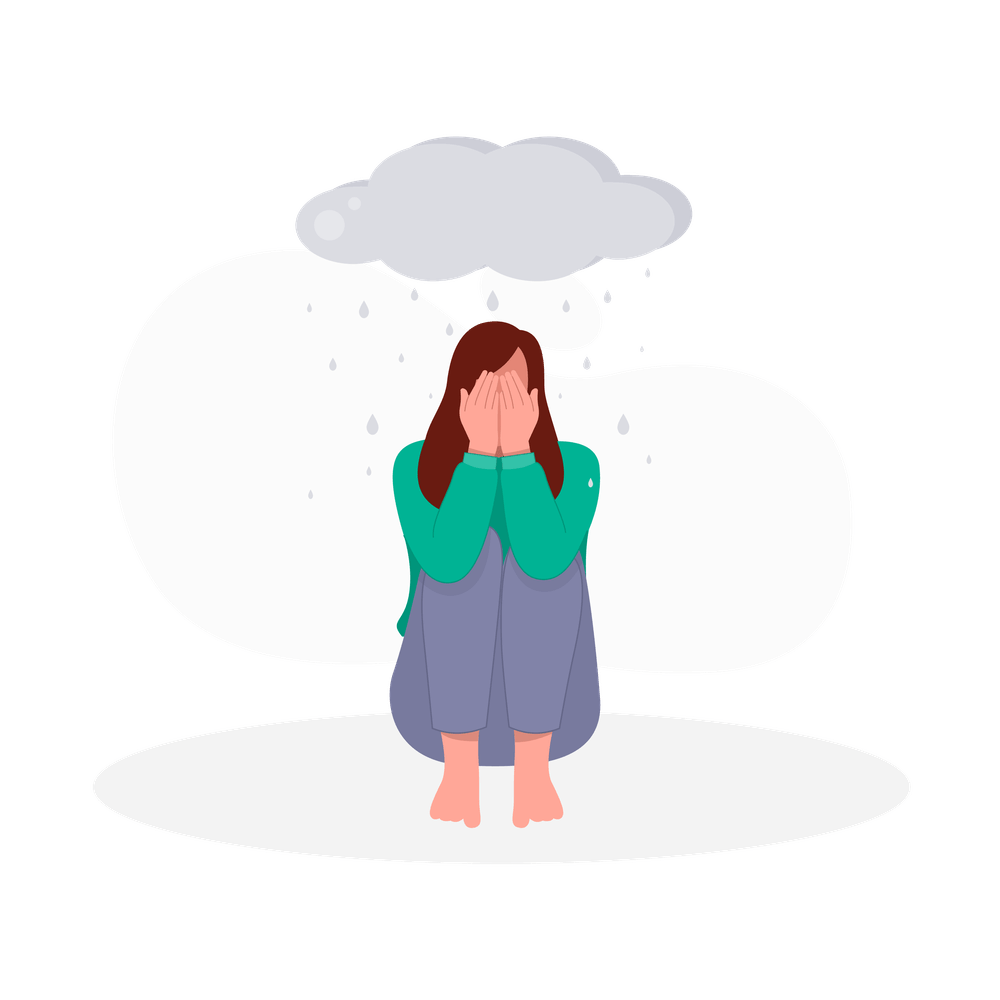
Anxiety can magnify worry until it feels constant, convincing individuals that something bad is always just around the corner.
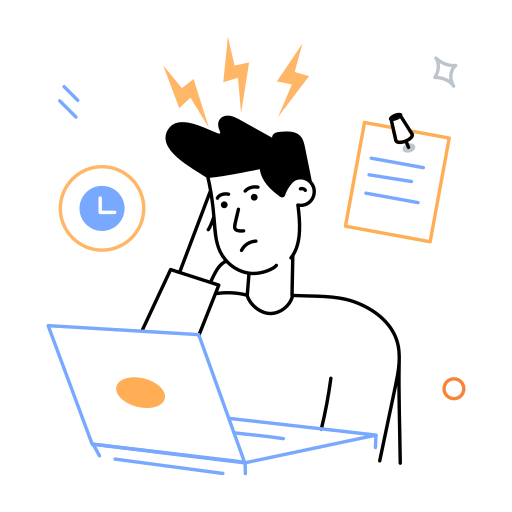
When anxiety is present, restlessness can persist throughout the day, even without obvious stressors or external pressure.
A fast heart rate linked to anxiety often accompanies shallow breathing and heightened bodily awareness.
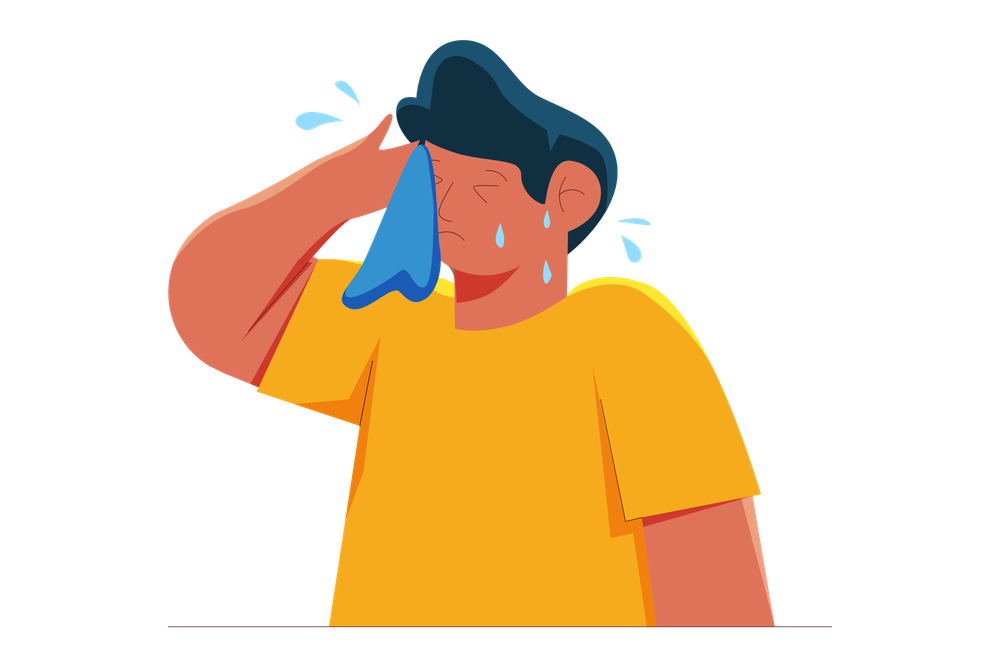
Anxiety often places strain on the body, resulting in muscle fatigue and lingering soreness throughout the day.
Anxiety may cause heightened sensitivity, making individuals more reactive and easily annoyed.
Anxiety about sleep often becomes the main reason you cannot sleep. Watching the clock, calculating hours, and fearing tomorrow increases arousal. Try a no clock rule and a gentle script. If you are awake after about twenty minutes, get up and do a quiet activity in dim light until sleepy. Remind yourself that rest still helps, even without perfect sleep. Keep wake time consistent and let sleep pressure rebuild naturally the next night. Avoid long naps, and aim for a calm bedtime routine that repeats nightly. Treat tomorrow kindly, not like a test.
Parkland is home to many families balancing careers, parenting, and community activities. Anxiety can rise when schedules feel nonstop and downtime disappears. Building predictable routines helps, including regular meals, consistent bedtime, and planned quiet time. Children and adults benefit from calm communication and realistic expectations rather than perfection pressure. Therapy provides coping tools for worry and stress regulation. With structure and supportive habits, families can create an environment that reduces anxiety and improves emotional resilience.
We offer medication management for mental health conditions such as ADHD, anxiety, depression, insomnia, and bipolar disorder.
ADHD can turn simple planning into a maze: you see the destination clearly, yet the steps blur, and your brain keeps taking side doors labeled “quick detour.”
It can be constant fatigue that sleep can’t repair, paired with a mind that moves slowly, like thoughts are wading through mud while the world keeps speeding.
Mania can be a runaway spotlight, making you feel chosen, unstoppable, and certain; it also can burn relationships and finances, because judgment fades while momentum surges.
Insomnia feels like your body is tired but your mind is caffeinated, running laps through worries, plans, and random trivia when the world is finally still.
Parkland families often balance demanding school schedules activities and work responsibilities. Anxiety can rise when life feels nonstop and there is little time to decompress. Symptoms may include irritability muscle tension or constant worry about performance. Creating predictable routines helps, such as consistent bedtimes planned breaks and realistic priorities. Therapy can teach coping skills for stress management and perfection pressure. Small daily structure changes often make responsibilities feel more manageable.
Anxiety often starts subtly before it becomes overwhelming. In Parkland, people may notice restlessness difficulty concentrating trouble sleeping or feeling on edge without a clear reason. Physical signs like stomach discomfort headaches or tightness in the chest are also common. Recognizing these symptoms early allows for healthier coping. Grounding exercises regular movement and consistent sleep support recovery. Therapy can help individuals understand triggers and reduce escalation into panic.
Yes, teens may show anxiety through irritability avoidance or physical complaints rather than verbal worry. In Parkland, academic expectations and social pressures can intensify stress. Anxiety may lead to procrastination school refusal or sleep disruption. Supportive conversations and predictable routines help. Encouraging gradual exposure to feared situations prevents avoidance from growing. Therapy provides coping tools and emotional regulation skills. Early intervention helps teens feel more confident and less overwhelmed.
Nighttime often makes worries feel louder. In Parkland, anxiety may lead to replaying conversations or fearing tomorrow’s responsibilities. Helpful strategies include writing worries down earlier in the evening creating a calming wind down routine and avoiding screens before bed. If thoughts return, gently redirect attention to breathing or a soothing activity. Therapy can teach cognitive tools to break rumination cycles and tolerate uncertainty more easily.
Healthy routines reduce vulnerability to anxiety. In Parkland, consistent sleep regular meals and moderate exercise help regulate the nervous system. Limiting caffeine late in the day prevents jittery sensations that mimic anxiety. Outdoor time and mindfulness practices can reduce stress buildup. Social support also matters, since isolation often worsens worry. Therapy helps people build sustainable coping strategies. Small lifestyle adjustments create a steadier baseline over time.
Professional help is important when anxiety begins interfering with daily life. In Parkland, consider reaching out if worry affects sleep work school performance or relationships. Frequent panic symptoms or strong avoidance are also signs. Therapy provides tools for managing fear cycles rumination and physical stress responses. Medication may help some individuals when symptoms are severe. Seeking support early prevents anxiety from becoming more entrenched and improves long term wellbeing.
Reviewed by Mind Mechanic Clinical Oversight
Last updated: January 28, 2026
