Several FDA-approved medications have been clinically proven to improve feelings of sadness. Learn more in our detailed depression medication guide.

We are committed to delivering depression care that feels supportive, practical, and within reach. Depression often affects motivation, focus, and daily functioning, so we prioritize fast access to treatment and consistent provider connection. With affordable services and the ability to message your clinician directly, patients receive personalized monitoring without unnecessary barriers. We believe quality depression care should not require endless waiting or complicated steps. Our mission is to help you find relief, improve emotional balance, and regain a sense of control over life. We’re here to provide Depression treatment and other mental health services in Parkland, FL.
Depression can present itself in many different ways. There are many signs and symptoms to watch out for.
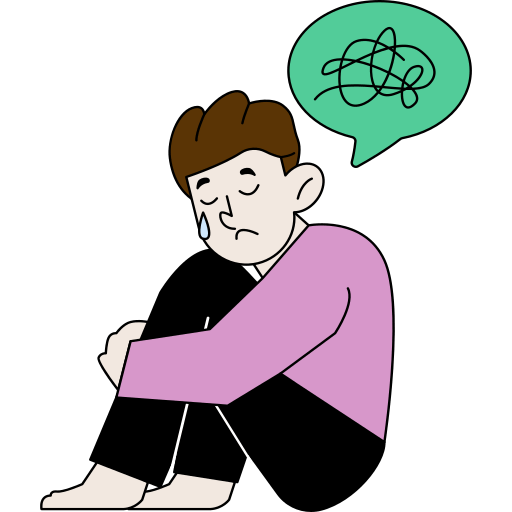
When depression is present, anxiety may amplify hopeless thoughts, making simple challenges feel overwhelming and the future appear empty or unreachable.
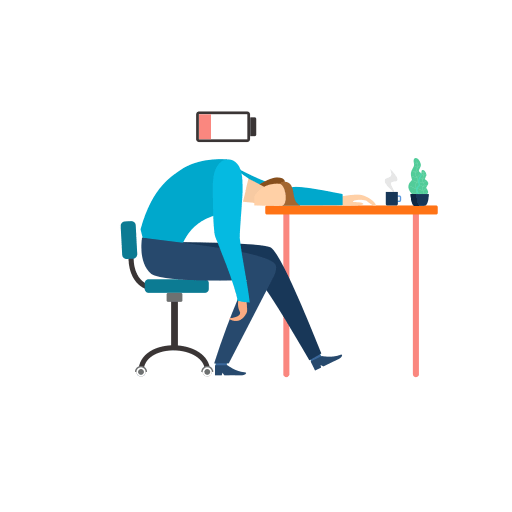
Low energy often shows up in depression when sleep patterns change, causing people to feel worn out regardless of how long they rest.
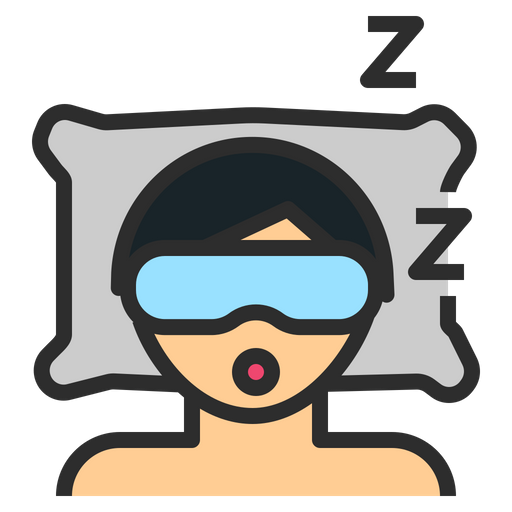
Sleep changes may signal depression when a person begins waking early, unable to return to sleep, and feeling weighed down by sadness.
Difficulty focusing may appear in depression when motivation drops, making it hard to stay engaged or interested in everyday activities.

Irritability may signal depression when a person feels constantly on edge, as if everything is annoying and there is no room to relax.

Depression can disrupt sleep in both directions, sleeping too much or lying awake with heavy thoughts. Instead of chasing perfect sleep, build a stable rhythm. Keep the same wake time daily and get light exposure early. Limit long naps, especially late afternoon. Create a wind down routine that repeats: dim lights, quiet activity, consistent bedtime window. If you cannot sleep, avoid clock watching and choose a calm activity until sleepy. Sleep improves when it becomes protected, predictable, and less pressured
Parkland families often want to help a loved one with depression but may not know how. Support works best when it is practical and patient rather than critical. Depression can affect energy, motivation, and emotional responsiveness. Offering small assistance with routines, meals, appointments, or childcare can reduce burden. Encouraging rest and realistic expectations prevents shame. Therapy helps individuals and families understand patterns and build coping strategies. Depression recovery is often a team process built on consistency, compassion, and steady boundaries.
We offer medication management for mental health conditions such as ADHD, anxiety, depression, insomnia, and bipolar disorder.
ADHD can bring restlessness, fidgeting, and an inner motor, making stillness uncomfortable and long sitting periods feel like an endurance sport for your nervous system.
Anxiety can feel like pressure behind the ribs, a clenched jaw, and a mind that won’t stop rehearsing conversations, mistakes, and possible disasters late at night.
Think of bipolar disorder as a rhythm disturbance of mood: highs can amplify confidence and sensation, while lows can mute hope, appetite, and interest in things once enjoyable.
Insomnia may feel like your mind is stuck in overdrive, replaying thoughts and concerns while your body begs for rest.
In Parkland, many people describe depression as feeling distant from life instead of constantly crying. Emotional numbness can make family moments, hobbies, and achievements feel muted. This happens when the brain reward system slows down and the world loses color. It can be confusing because everything looks fine externally. Gentle reengagement helps, short walks, brief conversations, simple routines. Therapy supports rebuilding emotional connection over time without forcing instant joy.
Depression can drain parenting capacity in ways that create guilt. In Parkland, parents may still meet responsibilities while feeling exhausted, irritable, or emotionally flat. Depression reduces mental bandwidth, so patience and motivation become harder. The goal is not perfect parenting, it is sustainable support. Small practical help from partners or family, consistent sleep, and professional care can reduce burden. Naming depression openly prevents shame from growing in silence and helps recovery feel possible.
Yes, depression and perfectionism often feed each other. In Parkland, people may feel they must keep up appearances or meet high standards, even when emotionally depleted. When depression lowers energy, perfectionism turns into harsh self criticism. This creates a cycle of feeling never enough. A helpful shift is redefining success as sustainability and allowing rest without guilt. Therapy can help challenge rigid expectations and rebuild self worth beyond performance.
Depression in teens often looks different than in adults. In Parkland, adolescents may appear angry, withdrawn, or unmotivated rather than openly sad. They may struggle with concentration, sleep changes, or loss of interest in friends. This can be mistaken for attitude. Recognizing irritability as a possible symptom helps families respond with curiosity instead of punishment. Therapy provides teens with coping tools and a safe space to talk without shame.
Depression often creates quiet distance rather than arguments. In Parkland, someone may stop reaching out, cancel plans, or feel emotionally unavailable, not because they do not care, but because they feel empty or tired. Loved ones may misinterpret this as rejection. Small honest communication helps, even one sentence acknowledging struggle. Supportive routines and patience reduce misunderstanding. Connection is part of healing, not something to postpone until you feel better.
Recovery is usually gradual, not sudden. In Parkland, progress often looks like small increases in engagement, answering a text, completing one task, feeling brief interest again. Bad days do not erase progress. Depression improves through repetition of basics: sleep rhythm, nourishment, movement, connection, and professional support. Therapy helps reduce hopeless thinking and shame. Over time, life expands again, and depression becomes less central and less convincing.
Reviewed by Mind Mechanic Clinical Oversight
Last updated: January 28, 2026

