Several FDA-approved medications have been clinically proven to improve sleep patterns. Learn more in our detailed insomnia medication guide.
Our mission is to help patients struggling with insomnia access quality psychiatric care without barriers. Sleepless nights can affect emotional stability, productivity, and health, so we prioritize timely appointments and direct messaging with your provider. Instead of navigating long waitlists or endless phone calls, patients receive personalized treatment plans and close follow-up. We focus on modern, responsive care that supports you between visits. Our goal is to help you restore healthy sleep patterns and feel supported throughout the process. We’re here to provide insomnia treatment and other mental health services in Wellington, FL.
Insomnia can present itself in many different ways. There are many signs and symptoms to watch out for.
Insomnia can leave mornings difficult, since waking up tired becomes a sign that the night did not provide the recovery the body requires.
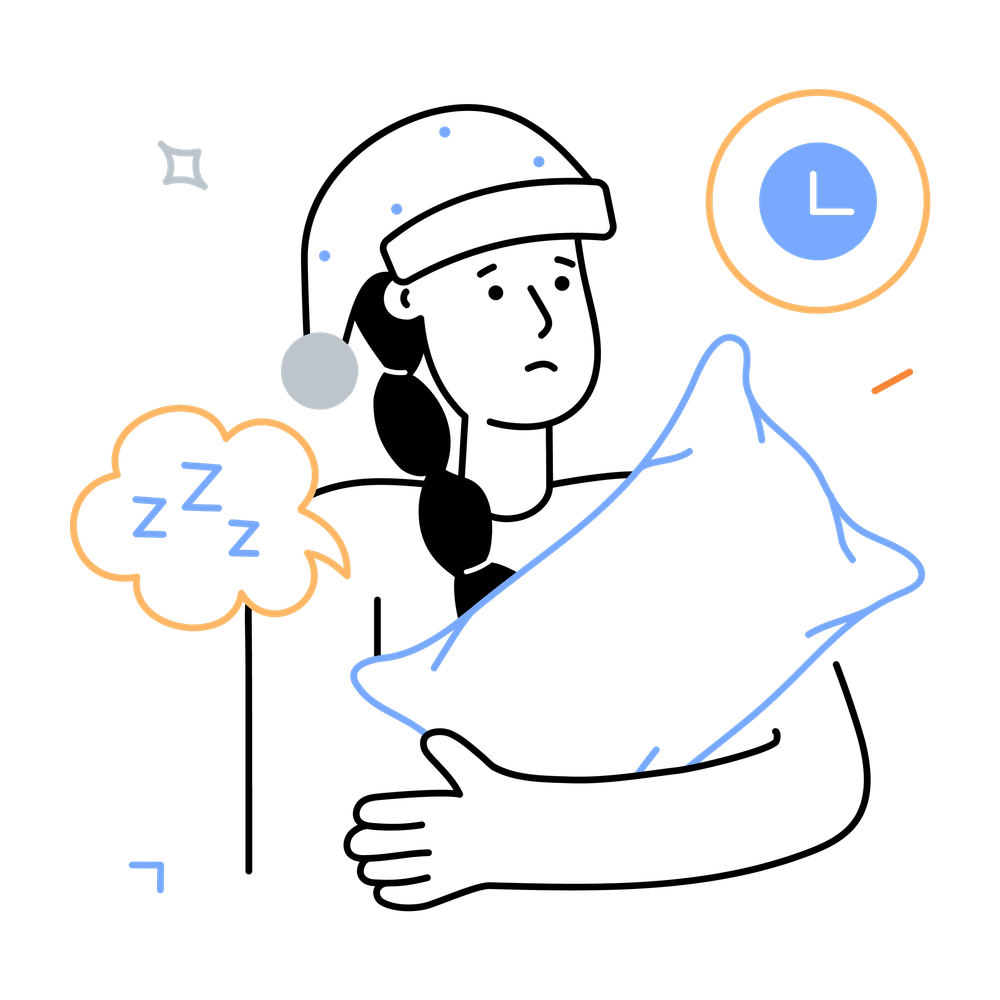
When insomnia disrupts sleep cycles, irritability increases because the brain cannot fully recharge its stress management systems.

When insomnia disrupts sleep cycles, trouble focusing increases because the brain misses important restorative stages of rest.
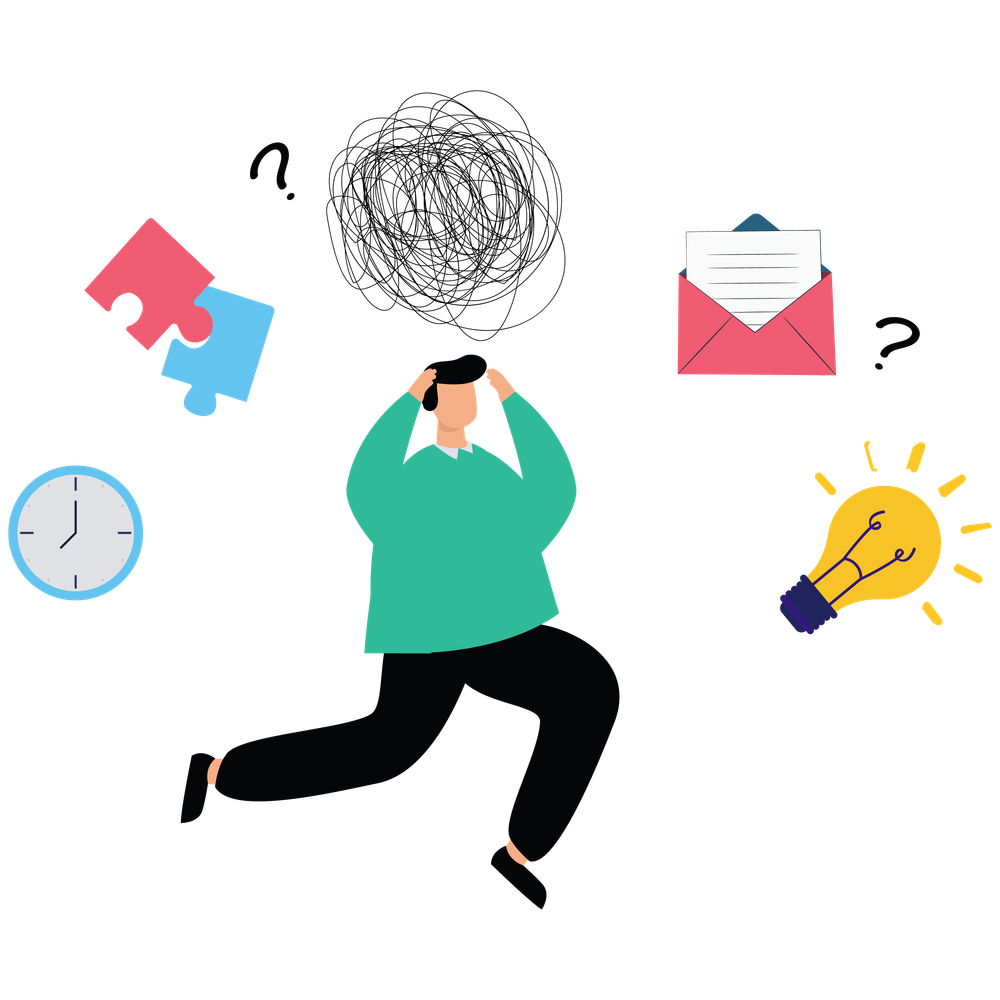
When insomnia disrupts sleep cycles, careless mistakes increase because the brain misses restorative stages needed for precision and focus.

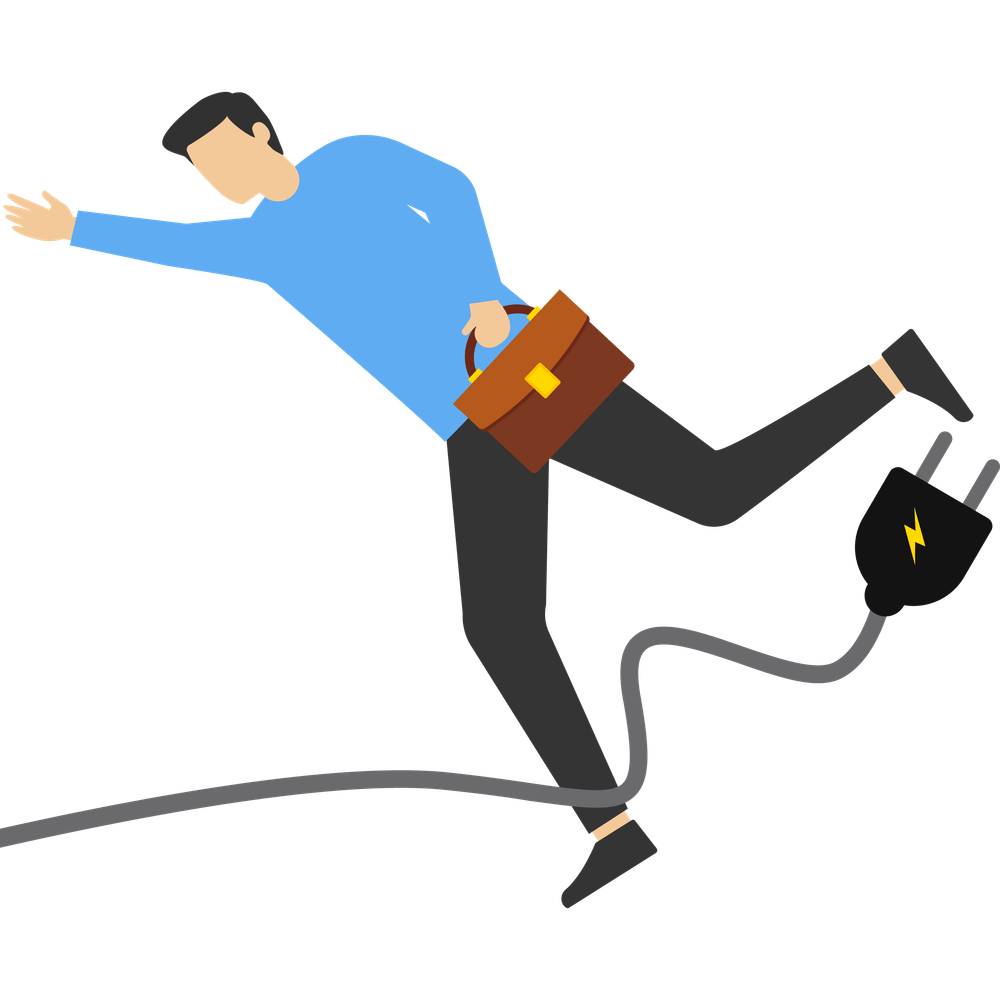
When insomnia disrupts sleep cycles, delayed reflexes increase because the brain misses restorative stages needed for quick responses.
When a partner snores, your brain may sleep lightly, waiting for the next disruption. That vigilance alone can create insomnia. Talk about it as a shared problem, not a personal flaw. Practical options include side sleeping, nasal strips, treating allergies, or using a gentle white noise buffer. If snoring is loud with pauses in breathing, evaluation for sleep apnea matters. Some couples use separate blankets or even separate rooms temporarily to protect sleep. Better rest often improves the relationship, because everyone thinks more clearly. Good sleep is a health issue, not a relationship weakness, so treat it seriously together.
Wellington sleepers who train hard may find that late evening intense workouts keep heart rate and temperature elevated. If you struggle to fall asleep shift high intensity sessions earlier and save evenings for light movement like walking or mobility work. End training with a long cooldown and a warm shower so the body can cool afterward. Avoid pre workout stimulants late day. When exercise supports sleep it should create healthy fatigue not wired alertness. A timing change of one or two hours can make bedtime smoother and reduce middle night awakenings.
We offer medication management for mental health conditions such as ADHD, anxiety, depression, insomnia, and bipolar disorder.
ADHD may create difficulty completing repetitive tasks, as the brain resists low-stimulation activities, making follow-through harder without strategies or support.
Living with anxiety can make decision-making difficult, as fear of choosing wrong outweighs confidence, even in simple everyday choices.
With depression, self-care can become difficult, as eating, showering, or cleaning feels like an impossible mountain to climb.
For some individuals, bipolar disorder includes mixed episodes, where depressive feelings and manic energy occur together, creating distress and inner tension.
Restlessness despite fatigue can result from mental hyperarousal or stress lingering from the day. Wellington residents may lie awake thinking about tasks, decisions, or personal concerns. A pre-sleep routine that includes low-stimulation activities such as reading, gentle stretching, or meditation can help signal the nervous system to relax. Over time, the brain learns that bedtime is safe, promoting easier sleep onset and more continuous restorative sleep.
Yes. Adjusting simple habits like limiting caffeine after midday, taking brief outdoor walks in the morning, or keeping a consistent wake time can significantly influence sleep quality. Wellington residents who experiment with small changes often notice improvements in falling asleep faster and waking less at night. Combining lifestyle adjustments with a calming pre-sleep routine strengthens the association between bedtime and rest, helping the nervous system shift more easily into a sleep state.
Journaling allows residents to offload worries or mental tasks before bed. In Wellington, writing down concerns, making brief to-do lists, or noting achievements can reduce cognitive load at night. This practice decreases anticipatory anxiety and racing thoughts, which often prolong sleep onset. Pairing journaling with calming pre-sleep activities like dim lighting, soft music, or gentle stretches signals the brain to relax. Over time, this technique can improve both the speed of falling asleep and the continuity of sleep.
Absolutely. Environmental factors like temperature, bedding, noise, and light strongly influence sleep. Wellington residents may wake multiple times if the room is too warm, light enters, or sudden sounds occur. Simple adjustments such as breathable bedding, blackout curtains, stable room temperature, and subtle white noise can reduce micro-arousals. When combined with a predictable pre-sleep routine, these environmental tweaks signal the nervous system that it is safe to rest, supporting deeper and more restorative sleep without relying on medication.
Yes. Exercising too close to bedtime can elevate heart rate and adrenaline, delaying sleep. Wellington residents who work out late may struggle to fall asleep even if physically tired. Shifting exercise to earlier in the day or using gentle stretching and yoga in the evening helps the nervous system wind down. Appropriate timing of activity enhances sleep onset and continuity while preserving the benefits of exercise for energy and overall health.
Focusing on falling asleep or worrying about next-day obligations heightens arousal and reinforces insomnia. Residents may lie awake calculating lost sleep or replaying the day, keeping the nervous system active. Strategies include avoiding clock checking, accepting wakefulness as neutral, and engaging in low-stimulation activities like reading or gentle stretches if awake. Over time, these approaches reduce pre-sleep tension and teach the brain that bed is for rest, promoting more predictable sleep onset and improved continuity.
Reviewed by Mind Mechanic Clinical Oversight
Last updated: January 28, 2026

