Several FDA-approved medications have been clinically proven to improve mood stability. Learn more in our detailed bipolar medication guide.



We are committed to offering compassionate, accessible care for individuals living with bipolar disorder. Our mission is built on timely appointments, direct messaging, and personalized treatment plans that reflect your unique needs. Bipolar disorder can involve complex mood patterns, so close monitoring and responsive adjustments are essential. We focus on removing the obstacles that often delay care, such as long waitlists and poor communication. Our goal is to provide steady psychiatric support that helps you move toward balance, stability, and improved well-being. We’re here to provide Bipolar Disorder treatment and other mental health services in Palm Beach Gardens.
Bipolar disorder can present itself in many different ways. There are many signs and symptoms to watch out for.
For those with bipolar disorder, emotional instability can appear as frequent mood fluctuations that impact sleep, patience, and emotional connection with others.
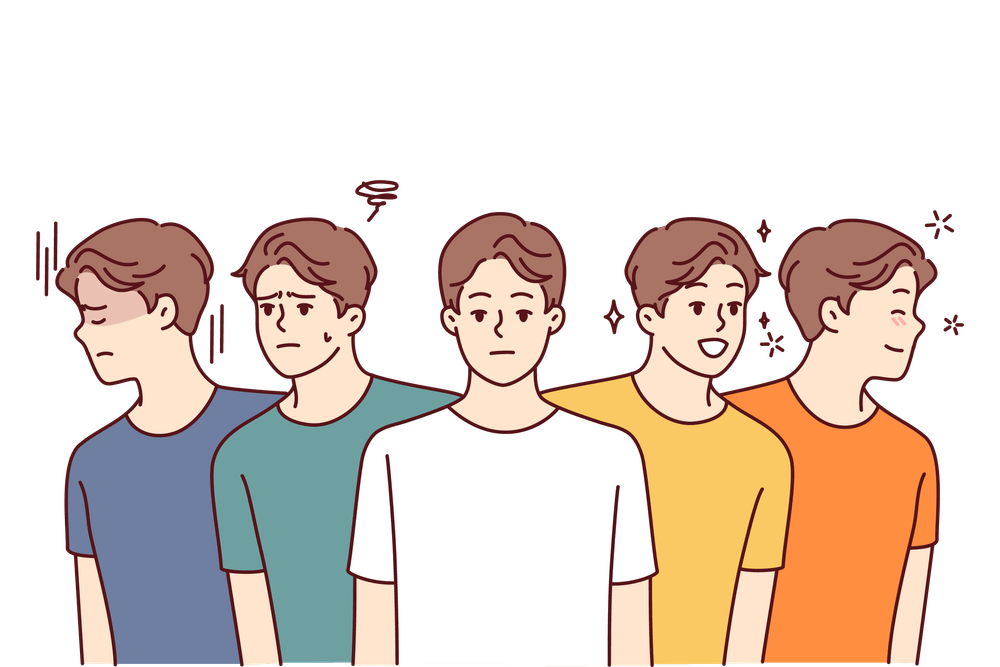
During bipolar disorder, mania can heighten confidence and productivity, but it may also lead to overcommitment and emotional burnout later.
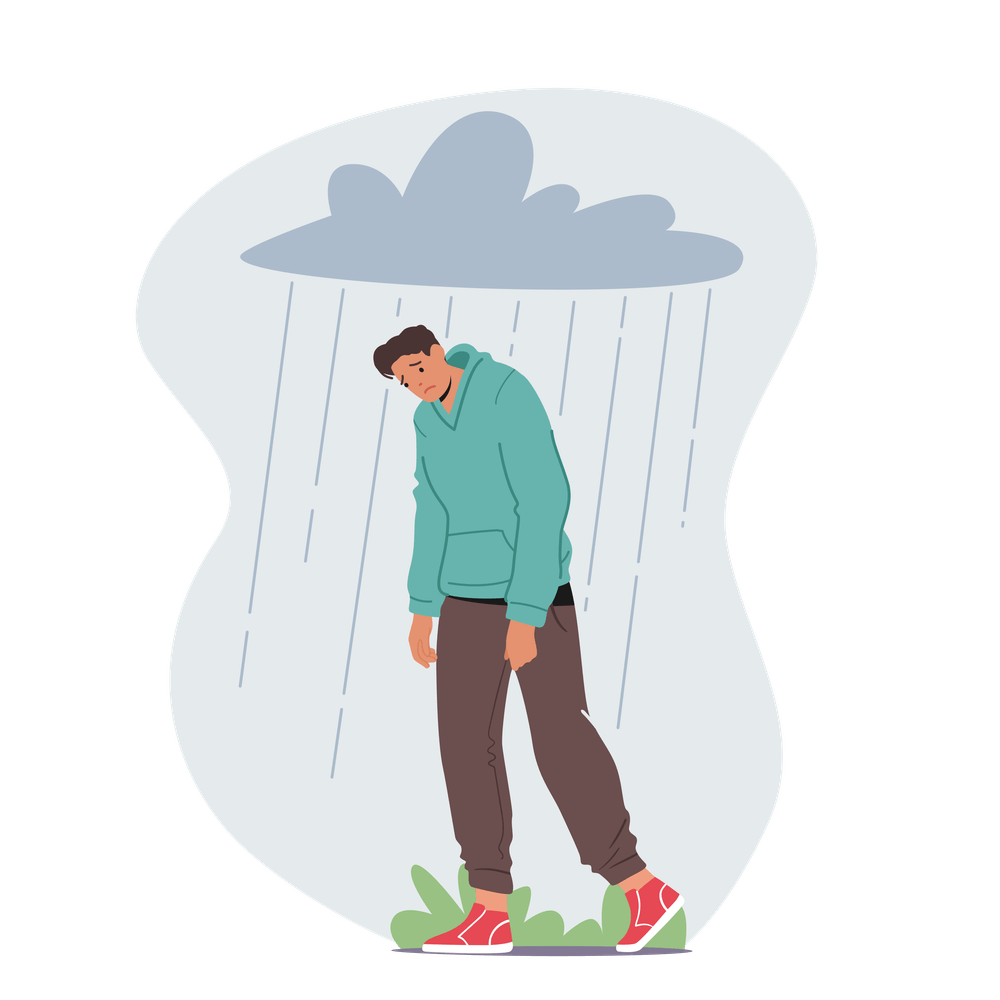
In bipolar disorder, depression may involve hypersomnia, where excessive sleep becomes an escape but still doesn’t restore true energy.
Some individuals with bipolar disorder experience reckless behavior followed by shame or confusion once the episode resolves and insight returns.

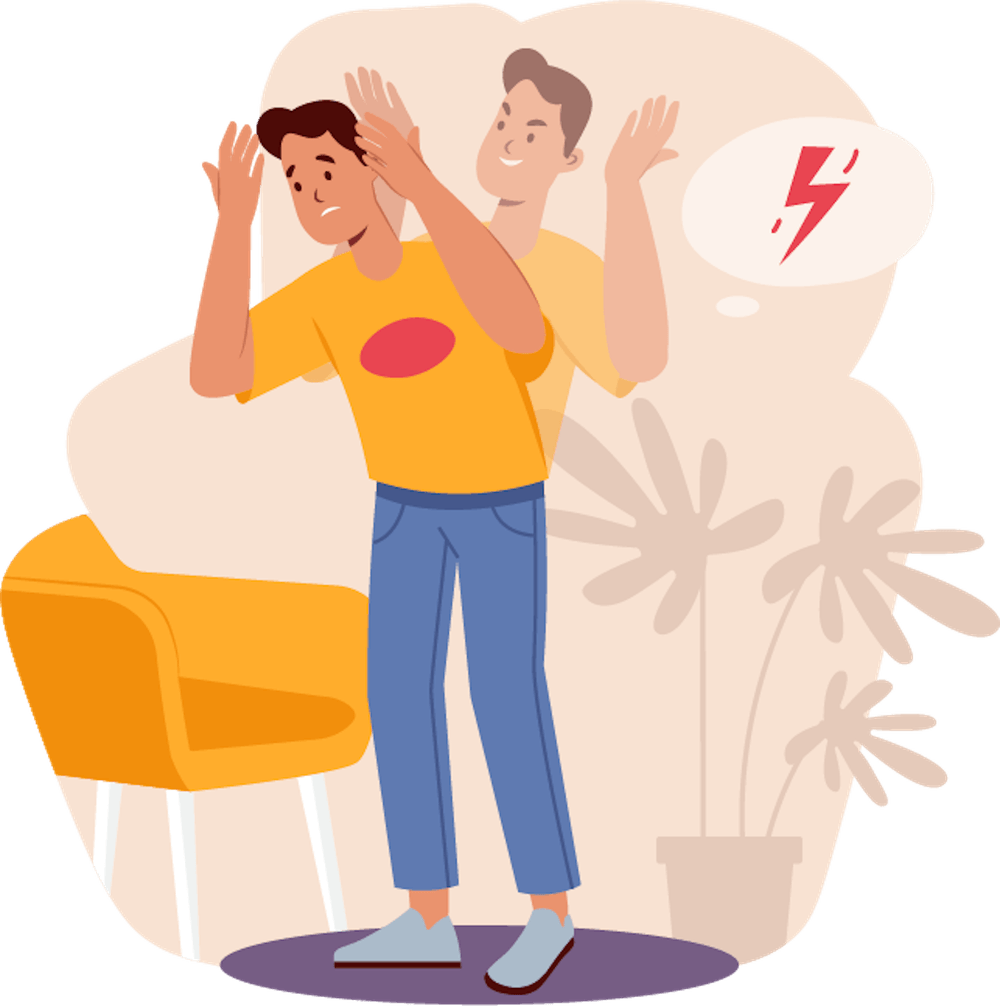
Impulsive anger may emerge in bipolar disorder, where irritability combines with quick reactions before emotional regulation can catch up.

Some people with bipolar disorder experience psychotic symptoms during severe mania or depression. This may include hallucinations delusional beliefs or extreme paranoia. Psychosis is a symptom state not a personality trait. It often improves with appropriate treatment and stabilization. Early warning signs can include rapid sleep loss suspiciousness or feeling unusually important or targeted. If psychosis appears safety becomes the priority and urgent professional care is important. Families can help by staying calm avoiding arguments about beliefs and focusing on support and medical evaluation. Education reduces fear and helps people recognize when symptoms have crossed into a higher risk zone
In Palm Beach Gardens many people with bipolar disorder do best when medication is taken consistently rather than only during crises. Skipping doses can increase cycling and make future episodes harder to control. Pair medication with a daily cue like brushing teeth or a phone reminder. Track sleep appetite mood and side effects so adjustments are based on patterns not guesswork. Never stop medication suddenly without medical guidance. Consistency is a system not a personality trait and it helps treatment remain steady while reducing emergency level symptoms over time
We offer medication management for mental health conditions such as ADHD, anxiety, depression, insomnia, and bipolar disorder.
With ADHD, boredom can feel unbearable, pushing the brain to seek excitement, multitask, or daydream, even when responsibilities require steady focus.
Anxiety may cause irritability, as the nervous system stays overloaded, making patience harder and small frustrations feel much bigger than usual.
Depression can create a painful sense of hopelessness, where the mind struggles to imagine relief, even when treatment and support can help.
Insomnia can create a vicious loop, where poor sleep increases stress, and stress then makes the next night of sleep even harder.
Palm Beach Gardens is home to many professionals and active families, and packed schedules can sometimes disrupt routines needed for bipolar stability. Late work hours, frequent commitments, and stress may interfere with sleep and medication timing. Mood episodes often begin with small shifts in rest and energy. Building protected downtime, keeping consistent wake times, and checking in with a clinician early helps prevent stress from turning into escalation.
Mania often starts gradually. In Palm Beach Gardens, early signs may include needing less sleep, feeling unusually energized, talking rapidly, or making impulsive plans. Some people become irritable or overly confident. Increased spending or risky decisions can appear before a full episode develops. The key is recognizing changes from your usual baseline. If sleep decreases for several nights while energy rises, contact your clinician promptly for guidance.
Exercise can be a helpful mood stabilizer when balanced. In Palm Beach Gardens, regular activities like walking, gym routines, or golf can reduce stress and improve emotional regulation. The goal is moderate consistency, not extreme intensity. During elevated moods, overexercising may worsen agitation and reduce sleep. During depression, starting small prevents avoidance. Exercise works best alongside therapy, medication, and stable daily rhythms.
Depression often leads to withdrawal, even in a vibrant community. In Palm Beach Gardens, try focusing on small daily anchors, such as a short walk, one social interaction, or attending a therapy session. Keep meals and sleep routines steady, since depression can disrupt basic care. Avoid waiting for motivation to return before acting. Small steps prevent isolation from deepening and support recovery alongside professional treatment.
Support is most helpful when it feels collaborative rather than controlling. Families in Palm Beach Gardens can learn early warning signs like reduced sleep, rapid speech, or sudden withdrawal. Agree on a plan for what happens when symptoms rise, such as contacting a clinician or reducing stressors. Offering practical help with routines and appointments is often more effective than criticism. Bipolar disorder is treatable, and teamwork strengthens stability.
Urgent care is needed when symptoms become unsafe or severe. In Palm Beach Gardens, seek immediate support if someone has suicidal thoughts, hallucinations, dangerous impulsivity, extreme agitation, or cannot sleep for multiple nights with escalating energy. These may signal a serious manic or depressive episode requiring emergency evaluation. Contact a crisis line, reach your psychiatrist, or go to the nearest emergency department. Acting early protects safety and speeds stabilization.
Reviewed by Mind Mechanic Clinical Oversight
Last updated: January 28, 2026
