Several FDA-approved medications have been clinically proven to improve sleep patterns. Learn more in our detailed insomnia medication guide.
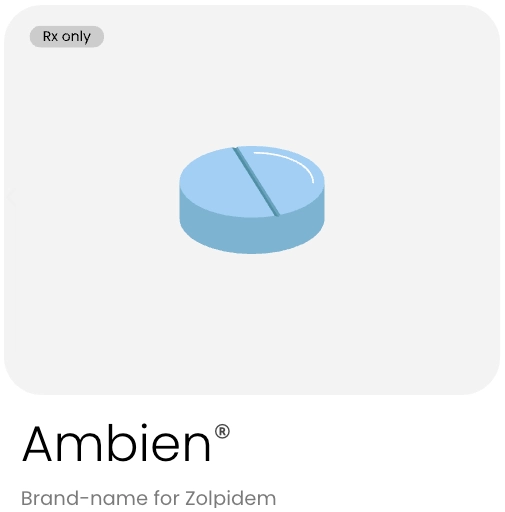
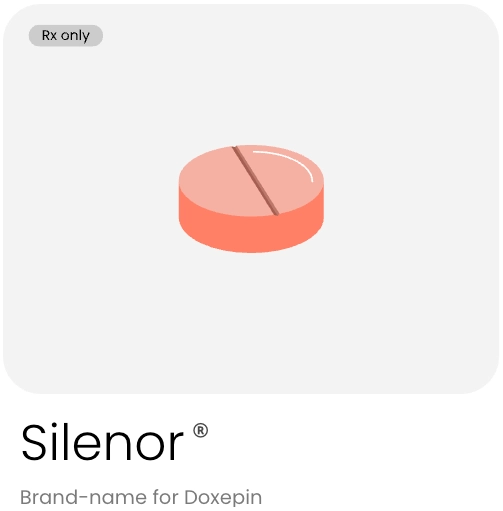
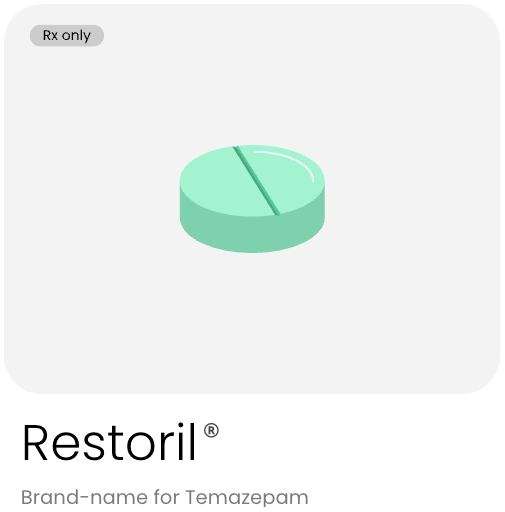
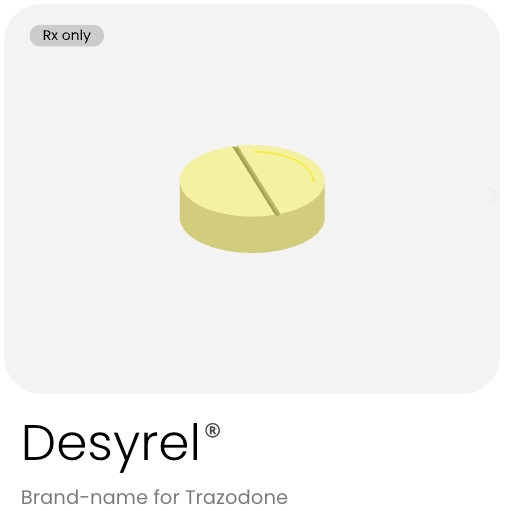
Our mission is to make insomnia treatment easier to access and more effective through personalized psychiatric care. Sleep struggles can quickly impact mental health, so we prioritize timely appointments and direct messaging with your provider. Traditional systems often create distance and delays, but we focus on removing those barriers with responsive support and close follow-up. We believe patients deserve care that feels connected and compassionate. By addressing insomnia with evidence-based strategies, we help individuals regain restorative sleep and improved quality of life. We’re here to provide insomnia treatment and other mental health services in North Palm Beach, FL.
Insomnia can present itself in many different ways. There are many signs and symptoms to watch out for.
Insomnia-related fatigue often shows up as waking up tired, even after spending enough time in bed, because the sleep itself lacks quality.
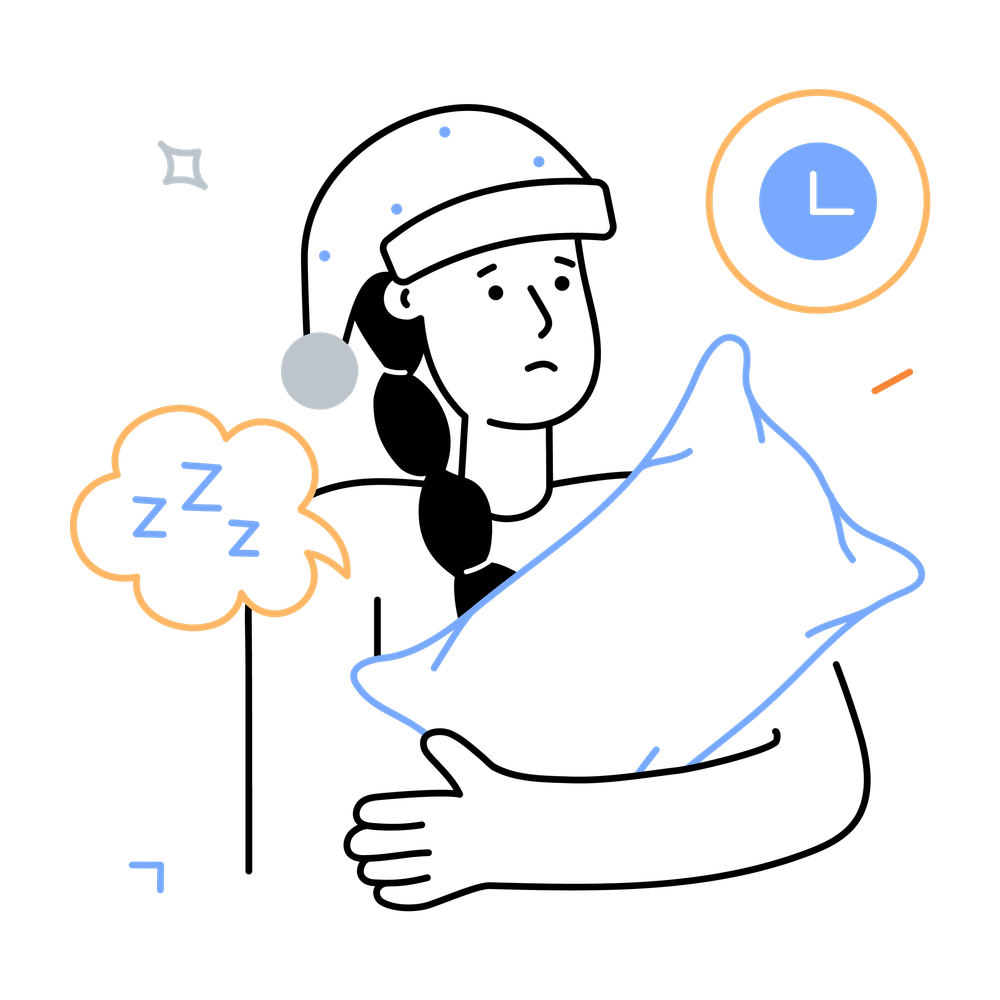
Irritability can be an early warning sign of insomnia, showing that the brain is struggling with the effects of insufficient rest.
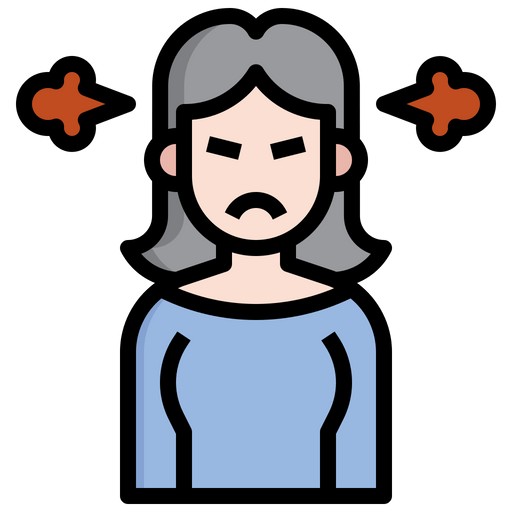
Trouble focusing can be an early sign of insomnia, showing that sleep disruption is affecting daytime cognitive performance.
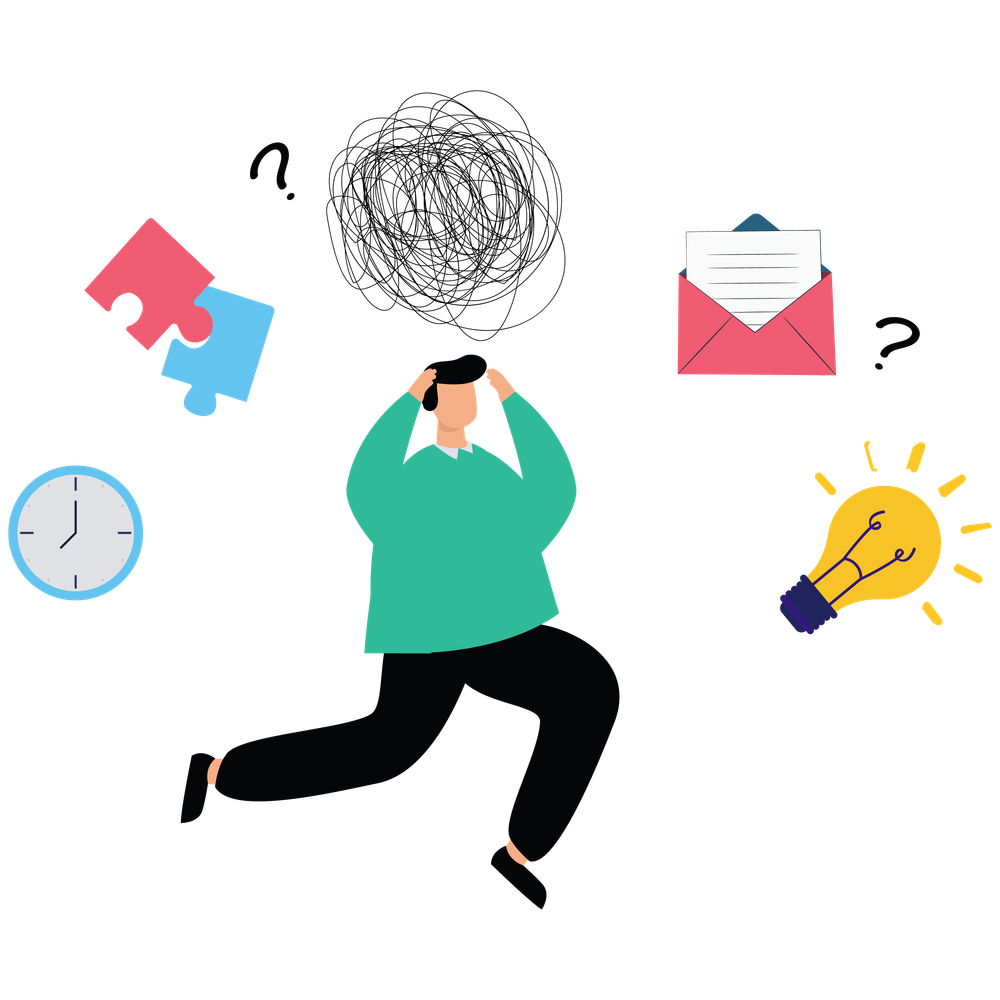
Careless mistakes can be an early sign of insomnia, showing that sleep disruption is beginning to affect daytime performance.

Delayed reflexes can be an early warning sign of insomnia, showing that sleep disruption is affecting daytime performance.
Shift work challenges sleep because your schedule fights biology. Create a protected sleep window and treat it like an appointment, consistent even on days off when possible. Use blackout curtains and a cool room to mimic night. Wear sunglasses on the drive home to reduce light that tells your brain to wake. Before sleep, use a brief wind down that signals shutdown. If your schedule rotates, ask for slower rotation patterns if possible. Small environmental controls cannot fix everything, but they can reduce fragmentation and improve recovery. Prioritize one main sleep block, then add a nap if needed.
North Palm Beach residents can improve insomnia by treating mornings as the main reset. Get outdoor light soon after waking even on cloudy days and combine it with a brief walk or stretch. Keep wake time steady within about an hour every day to stabilize rhythm. In the evening dim indoor lights and reduce bright screens so the brain receives a clear night signal. If you need a nap keep it short and early. When light timing is consistent sleep often shifts earlier and becomes more continuous within a few weeks.
We offer medication management for mental health conditions such as ADHD, anxiety, depression, insomnia, and bipolar disorder.
ADHD is often misunderstood, but it reflects neurological differences that influence attention, impulse control, and emotional regulation across many life settings.
With anxiety, social situations can feel draining, as the mind worries about judgment, mistakes, or saying the wrong thing at the wrong moment.
Sometimes depression feels like emptiness rather than sadness, where emotions shut down and life becomes a series of motions without meaning.
Living with bipolar disorder can be exhausting, as the mind and body adjust to shifting energy levels, emotions, and changing self-perception.
In North Palm Beach, a busy or overstimulated day can delay the nervous system’s natural wind-down. Even after physical fatigue, mental activity can peak late. Residents can try dimming lights, avoiding emotionally engaging media, and practicing gentle stretches or slow breathing. Creating a consistent pre-sleep ritual teaches the brain that bedtime is safe. Over several weeks, this approach often helps align alertness with intended sleep, improving both sleep onset and duration.
Yes. Varying wake times confuses the circadian rhythm and can delay sleep at night. Residents who sleep in on weekends or wake early on workdays may experience difficulty falling asleep. Keeping a consistent wake time every day, exposing oneself to morning light, and establishing predictable evening routines strengthens the body clock. Over time, the brain learns when to expect night, improving sleep onset and continuity while reducing middle-of-the-night awakenings.
Worrying about tomorrow or about not sleeping increases nervous system alertness. Residents may lie awake thinking about unfinished tasks, bills, or social obligations. Writing down concerns earlier in the evening and setting a single actionable step can reduce mental load. Pairing this with a calming pre-sleep routine like reading, stretching, or listening to soft music signals the brain that bedtime is safe. Over time, anxiety around sleep diminishes and falling asleep becomes easier.
Yes. Temperature, bedding, lighting, and noise impact sleep quality. Residents may wake repeatedly if the bedroom is too warm, too bright, or noisy. Using breathable sheets, maintaining a cooler room, and introducing a steady sound like a fan or white noise can reduce micro-arousals. A consistent, comfortable environment signals the nervous system that it is safe to rest. Small adjustments often improve sleep continuity and depth without relying on medications or extreme behavioral interventions.
Yes. Exposure to bright screens or engaging content delays melatonin release and keeps the brain alert. Residents scrolling social media or watching stimulating shows before bed often experience longer sleep latency. Limiting screens 30–60 minutes before bedtime and replacing them with relaxing low-stimulation activities like reading or gentle stretches allows the nervous system to downshift. Over time, the brain associates these cues with rest, improving sleep onset and reducing nighttime wakeups.
Even in calm homes, subtle noises, body temperature shifts, or stress can trigger brief arousals. Residents may not consciously notice these awakenings, but they fragment sleep. Introducing consistent background noise, ensuring a stable bedroom temperature, and maintaining a pre-sleep routine signals safety to the nervous system. Gradually, the brain learns to consolidate sleep into longer stretches, reducing micro-awakenings and improving overall restfulness without the need for medications or drastic interventions.
Reviewed by Mind Mechanic Clinical Oversight
Last updated: January 28, 2026

