Several FDA-approved medications have been clinically proven to improve sleep patterns. Learn more in our detailed insomnia medication guide.

Insomnia deserves thoughtful, accessible care, and our mission is to provide exactly that. We offer affordable psychiatric support with timely appointments and direct provider messaging so patients can stay connected throughout treatment. Traditional mental health systems often create delays and distance, but we focus on removing barriers through personalized plans and close monitoring. Sleep is essential to mental wellness, and our goal is to help individuals regain restorative rest with compassionate, modern care that meets their needs. We’re here to provide insomnia treatment and other mental health services in Loxahatchee, FL.
Insomnia can present itself in many different ways. There are many signs and symptoms to watch out for.
For those with insomnia, waking up tired may come from difficulty staying asleep, where brief awakenings disrupt the natural rhythm of rest.
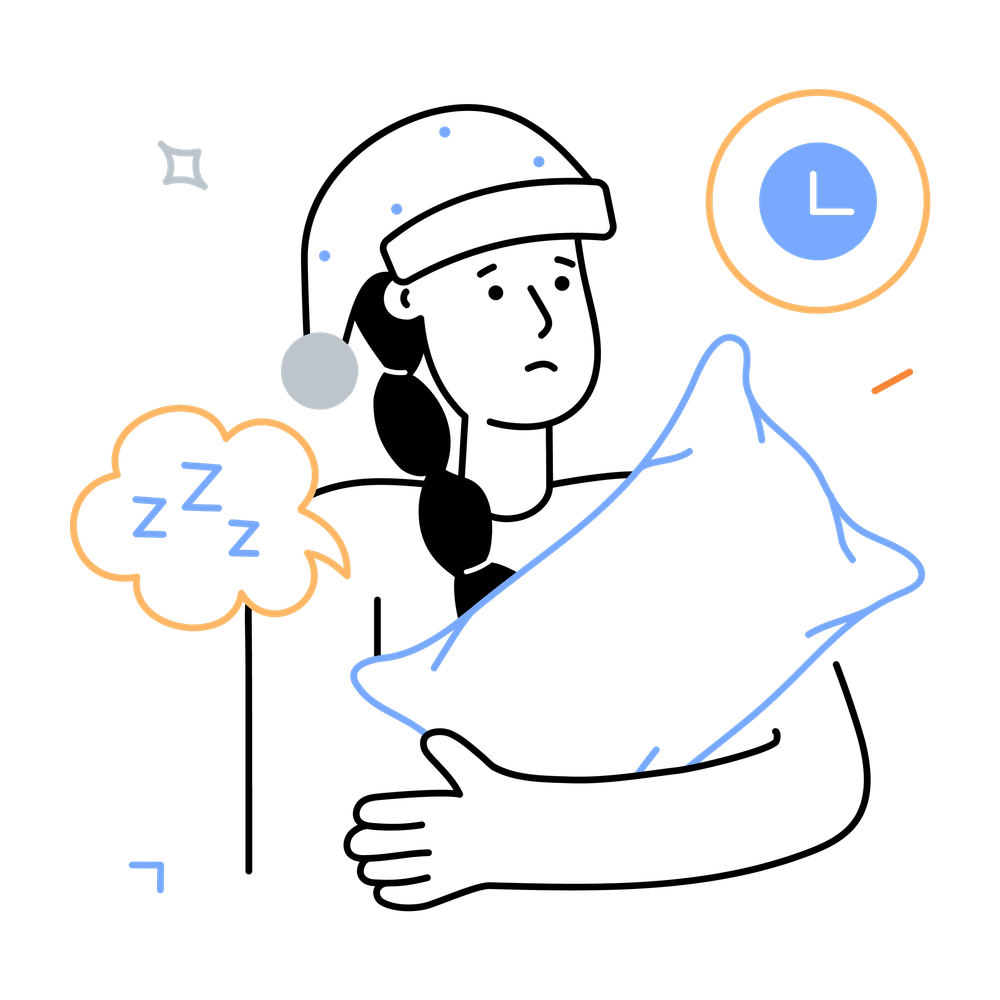
Insomnia may contribute to irritability in social settings, where fatigue makes conversations and interactions feel more draining than usual.

Insomnia may cause trouble focusing in social settings, where fatigue makes listening and responding thoughtfully more difficult.

Insomnia may cause careless mistakes in social or professional settings, where fatigue makes listening and responding thoughtfully harder.

Insomnia may cause delayed reflexes at work, where fatigue makes it harder to react promptly to tasks or sudden demands.
Nightmares can make bedtime feel unsafe, which increases insomnia. The brain resists sleep when it expects distressing dreams. If nightmares are frequent, consider imagery rehearsal therapy: rewrite the nightmare with a safer ending and practice the new script during the day. This trains the brain to change the dream pattern. Reduce scary media at night and build a calming pre sleep routine. If trauma is involved, specialized therapy can help. As nightmares reduce, bedtime becomes less charged and sleep arrives with less resistance. Write the new version in vivid detail, include sights sounds and a sense of safety, then rehearse it daily.
Loxahatchee quiet nights can make thoughts echo. Instead of fighting the mind give it a simple anchor. Choose one repetitive focus such as counting breaths or listening for a constant sound like a fan. If you wake and start ruminating leave the bed and sit somewhere dim until sleepiness returns. Keep the bedroom for sleep not for thinking sessions. During the day add a short worry window to write concerns so they do not show up at midnight. With practice the brain learns that nighttime is for resting not reviewing and sleep becomes less fragile.
We offer medication management for mental health conditions such as ADHD, anxiety, depression, insomnia, and bipolar disorder.
Living with ADHD often includes impulsive spending, interruptions, or sudden decisions, reflecting challenges with pause-and-plan rather than poor character.
Anxiety can appear even during success, where achievements feel fragile and the mind fears losing progress or falling short unexpectedly.
Depression can affect memory and focus, making it harder to concentrate, follow conversations, or stay engaged in work and relationships.
Bipolar disorder is highly treatable, often managed through mood stabilizing medications, therapy, and consistent sleep and stress routines.
In Loxahatchee, physical tiredness does not always translate to mental readiness for sleep. Stress, lingering thoughts, or emotional tension can keep the nervous system active even when the body is exhausted. Residents benefit from establishing a pre-sleep ritual such as light stretching, calming music, or reading. This signals the brain that bedtime is safe. Over several weeks, consistent routines can align alertness with sleep time, improving sleep onset and reducing nighttime awakenings.
Yes. Small adjustments to the bedroom environment can have a major impact on sleep. Loxahatchee residents may find improvements from cooler room temperatures, breathable bedding, blackout curtains, and steady background noise. These changes reduce micro-arousals caused by subtle disturbances and signal safety to the nervous system. Pairing environmental consistency with a predictable pre-sleep routine helps consolidate sleep, supports deeper restorative stages, and reduces the likelihood of nighttime wakefulness without relying solely on medications.
Worry about not sleeping or upcoming obligations often heightens arousal and prolongs sleep onset. Residents may lie awake rehearsing tasks or calculating lost sleep, reinforcing insomnia. Writing down concerns earlier in the evening, setting one actionable step, and engaging in calming pre-sleep activities like reading or gentle stretching reduces tension. Over time, the nervous system associates bed with rest rather than stress, improving sleep onset, continuity, and overall restfulness for Loxahatchee residents.
Yes. Varying bedtime or wake times disrupts the circadian rhythm and makes falling asleep harder. Loxahatchee residents who stay up late on weekends or wake inconsistently often experience delayed sleep onset. Maintaining a stable wake time, morning light exposure, and a consistent evening routine strengthens the body clock. Predictable schedules allow the brain to anticipate night, improve sleep continuity, and reduce micro-awakenings without drastic changes to bedtime.
Yes. Exposure to bright screens and emotionally engaging content before bed delays melatonin release, keeping the brain alert. Loxahatchee residents who watch TV, scroll social media, or work on computers late at night may struggle to fall asleep. Limiting screen use 30–60 minutes before bedtime and replacing it with low-stimulation activities such as reading, light stretching, or listening to soft music allows the nervous system to downshift and promotes easier sleep onset.
Micro-awakenings can occur due to subtle noise, temperature shifts, or internal stress. Residents may not consciously remember these brief arousals, but they fragment sleep. Using steady background noise, maintaining a comfortable room temperature, and following a calming pre-sleep routine helps signal safety to the nervous system. Over time, sleep consolidates into longer stretches, reducing interruptions and improving overall restorative sleep without relying on medications or extreme behavioral changes.
Reviewed by Mind Mechanic Clinical Oversight
Last updated: January 28, 2026

