Several FDA-approved medications have been clinically proven to improve attention and focus. Learn more in our detailed adhd medication guide.

Our mission is to provide affordable ADHD mental health care that feels supportive, modern, and personal. Many people with ADHD face challenges with concentration, restlessness, and daily organization, and they deserve care without unnecessary delays. We offer timely appointments and direct messaging with your provider so support continues between visits. Traditional systems often create barriers, but we work to simplify access and prioritize communication. ADHD care should be collaborative and practical. Our goal is to help you develop strategies, confidence, and lasting progress in everyday life. We’re here to provide ADHD treatment and other mental health services in Loxahatchee, FL.
ADHD can present itself in many different ways. There are many signs and symptoms to watch out for.
Forgetfulness can make ADHD feel overwhelming, because keeping track of schedules, responsibilities, and routines requires extra effort.

Many adults with ADHD describe procrastination as feeling stuck, knowing what to do but struggling to start at the right time.

In ADHD, careless mistakes often come from difficulty filtering distractions, causing attention to jump away from important details.

Disorganization is often tied to impulsivity in ADHD, where quick shifts in attention disrupt planning and organization efforts.
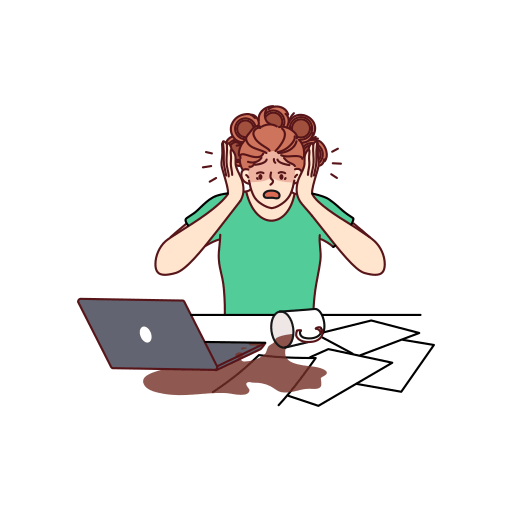
Many adults with ADHD describe trouble focusing as mental restlessness, where thoughts constantly shift between ideas.

Parenting with ADHD adds extra load because kids demand constant switching. Build supports that reduce chaos. Use shared calendars and visual routines for mornings and bedtime. Keep a small basket near the door for school items. Give yourself transition buffers so you are not sprinting from task to task. When you lose patience use a brief reset like stepping into another room for slow breaths. Ask for help and delegate when possible. ADHD does not make you a bad parent. With systems you can parent with warmth and steadiness. Over weeks you may notice steadier mood better focus and fewer slips.
Loxahatchee can feel spread out and ADHD symptoms may worsen when isolation removes structure. Build a support plan that adds rhythm and connection. Schedule body double sessions by video for paperwork studying or cleaning. Use a weekly planning hour and set reminders for errands so they do not pile up. Join one regular activity like a class volunteer shift or walking group to create social cues. Keep routines simple and repeatable and celebrate small wins. When connection and structure increase many people report better follow through calmer mood and less overwhelm across the week.
We offer medication management for mental health conditions such as ADHD, anxiety, depression, insomnia, and bipolar disorder.
Anxiety can appear even during success, where achievements feel fragile and the mind fears losing progress or falling short unexpectedly.
Depression can affect memory and focus, making it harder to concentrate, follow conversations, or stay engaged in work and relationships.
Bipolar disorder is highly treatable, often managed through mood stabilizing medications, therapy, and consistent sleep and stress routines.
Insomnia can feel like chasing a moving target, where drowsiness comes briefly but disappears the moment you try to fall asleep.
Loxahatchee life can involve longer drives and fewer quick stops, so forgetting one item can derail the whole day. ADHD makes planning and sequencing harder, not because you do not care but because working memory gets overloaded. Use a pre-trip checklist kept in the same phone note. Add a staging spot by the door for keys, water bottles, forms, and supplies. Pack the night before and set a leave alarm with buffer time. Longer distances feel easier when you build predictable prep and reduce last-minute decisions.
Working at home can blur boundaries, and ADHD can pull you into random tasks, like fixing one thing and then forgetting the original goal. In Loxahatchee, create clear work zones and time blocks. Choose one priority and write the next tiny step on a card. Use a visual timer for short sprints and schedule a brief walk break between sprints. Keep tools and supplies in one labeled bin so setup is fast. At the end, write tomorrow’s start point and close the loop so the day does not drift into evening.
After school can be the most fragile window because kids are tired, hungry, and overstimulated. Loxahatchee families can reduce conflict by starting with a reset, including a snack, water, and ten minutes of movement before homework. Use a simple routine board with three steps (reset, homework, and pack for tomorrow). Homework works best in short, timed sprints with planned breaks. Keep supplies in one bin and keep the phone away during sprints. End by staging backpacks and forms in one spot to protect the morning.
Isolation can remove the social cues that keep routines steady, so ADHD can feel worse. Loxahatchee residents may procrastinate more when no one sees the struggle. Add gentle accountability. Schedule body-double sessions on video for paperwork, studying, or cleaning. Join a regular class group or a volunteer shift to create weekly anchors. Use a weekly planning hour and share one goal with a friend by text. Connection is not just social; it creates structure. The goal is a predictable rhythm, not constant productivity.
Boredom can trigger dopamine-seeking, and ADHD can turn that into quick spending, snacking, or sudden commitments. In Loxahatchee, build a pause rule for common traps. Use a thirty-minute delay for online purchases and a one-breath pause before replying to charged messages. Keep a replacement reward ready, like music, a short walk, or a quick call. Track triggers for one week, like hunger, fatigue, or loneliness. Then plan supports, like snacks, an earlier bedtime, and scheduled connection. Small pauses create control without harsh restriction.
Long drives can increase zoning out and make time blindness costly. In Loxahatchee, use a driving routine. Set the navigation before moving, put the phone out of reach, and keep the audio simple. Leave with a ten-minute buffer so you are not rushing. If you notice drifting, name the next landmark out loud to re-engage. For very long trips, plan a brief pull-over reset with water and slow breathing. If medication is used, track timing so coverage matches drive times. A safe structure reduces stress and improves attention behind the wheel.
Reviewed by Mind Mechanic Clinical Oversight
Last updated: January 28, 2026
