Several FDA-approved medications have been clinically proven to improve mood stability. Learn more in our detailed bipolar medication guide.

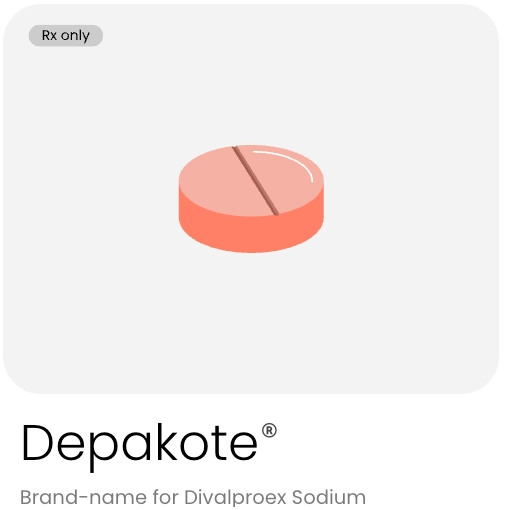
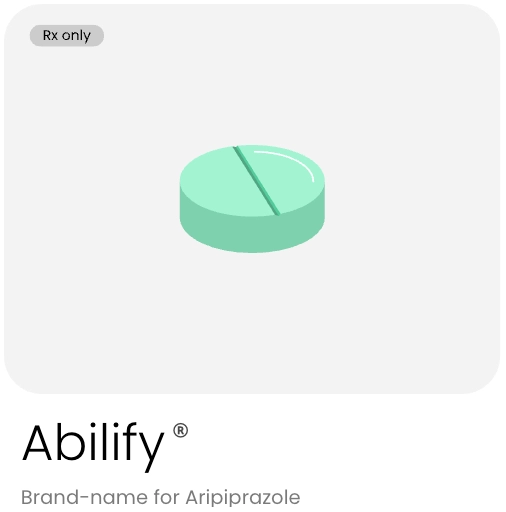

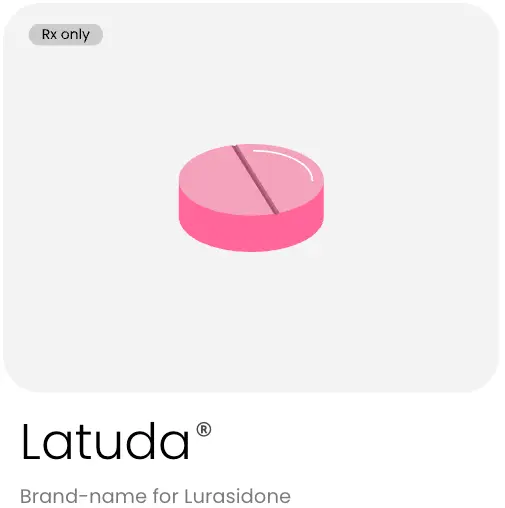
Our practice is committed to supporting people with bipolar disorder through accessible, modern psychiatric care. We believe treatment should be affordable, timely, and grounded in real communication. With direct messaging and prompt appointments, you can reach your provider when questions or concerns arise. Bipolar disorder often requires ongoing monitoring and personalized adjustments, and we focus on care that fits your unique needs. By reducing barriers and improving access, our mission is to help you find steadiness, resilience, and meaningful support throughout your mental health journey. We’re here to provide Bipolar Disorder treatment and other mental health services in Southwest Ranches, FL.
Bipolar disorder can present itself in many different ways. There are many signs and symptoms to watch out for.
For individuals with bipolar disorder, emotional instability may appear as unpredictable mood intensity, requiring compassionate support and careful symptom tracking over time.

In bipolar disorder, manic episodes may feel pleasurable at first, yet they can spiral into agitation, poor judgment, and serious disruptions.
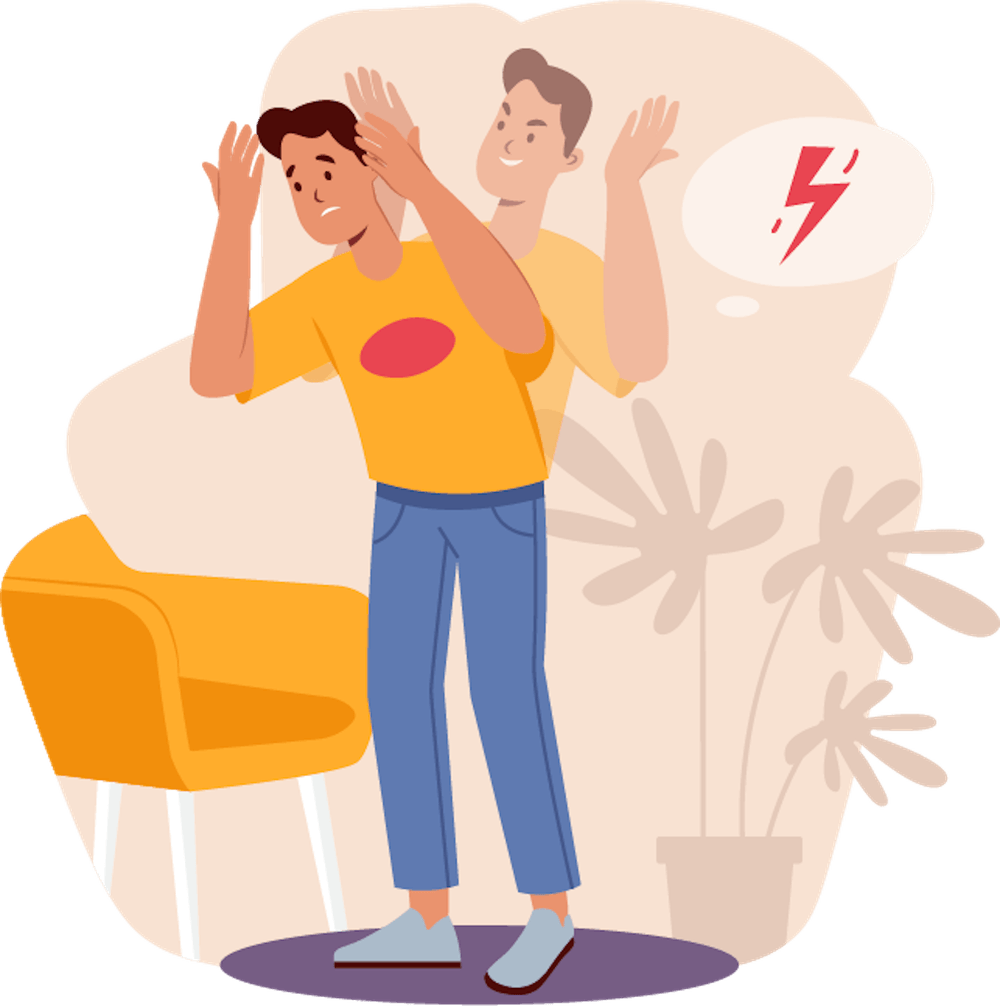
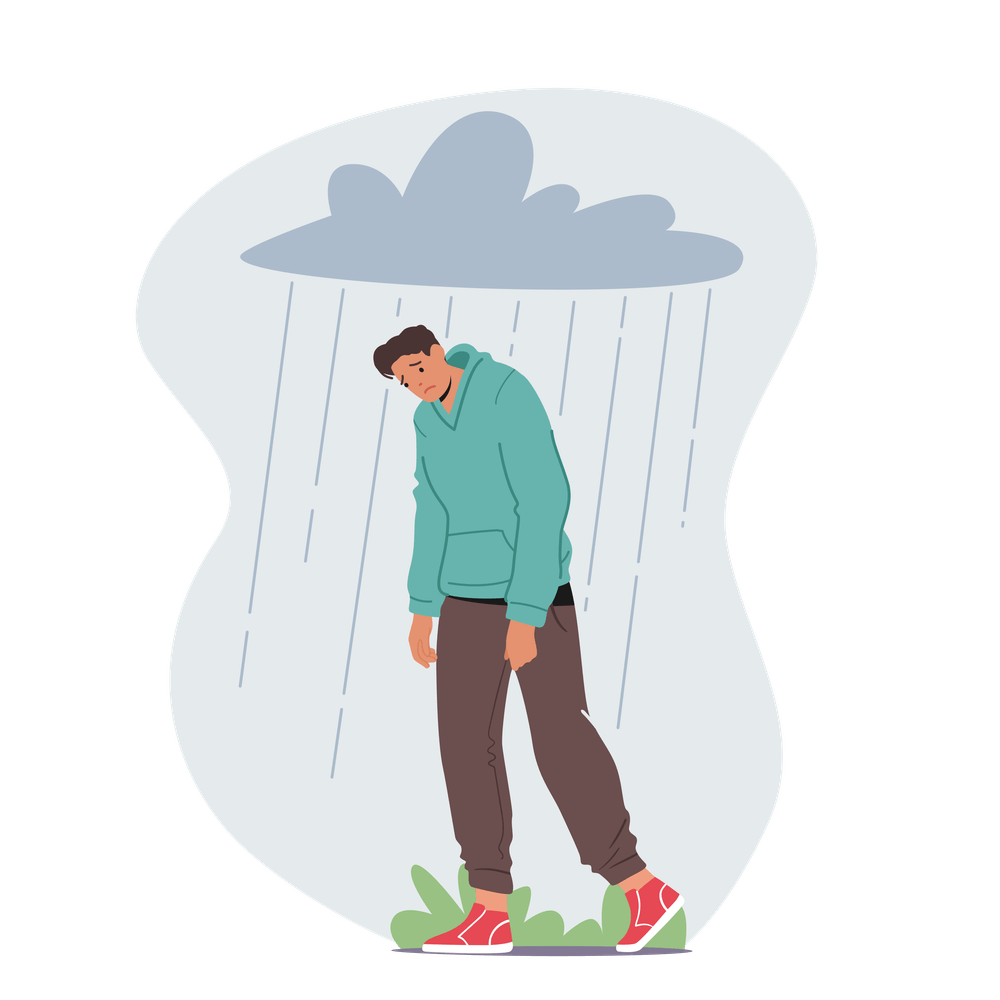
In bipolar disorder, depression may follow a high-energy period, leaving someone feeling emotionally depleted after days or weeks of increased activity.
During hypomania, bipolar disorder can still lead to risky choices, even if symptoms seem mild, because impulse control may still be reduced.

Some people describe manic impulsivity as feeling pulled forward by momentum, where slowing down feels almost impossible in the moment.

Some people notice a seasonal pattern in bipolar disorder. Energy and mood may rise in spring or summer and dip in fall or winter. Tracking across months can reveal whether light changes travel schedules or holidays affect sleep and mood. If you suspect a pattern create extra structure during your high risk seasons. Protect bedtime reduce late night social plans and monitor spending. During low mood seasons schedule small daily movement and social contact even if motivation is low. Share these patterns with your clinician because treatment timing and prevention strategies can be adjusted to match your calendar
In Southwest Ranches having a written crisis plan can turn fear into clear steps during severe mood episodes. Include your early warning signs helpful coping tools and contact numbers for clinicians and trusted supports. List current medications and preferred emergency options. Add practical details like who can help with children pets or work if symptoms escalate. Decide ahead of time what safety steps help such as limiting access to large spending reducing driving removing alcohol and pausing major decisions. Preparation supports faster safer stabilization and reduces chaos when thinking feels clouded
We offer medication management for mental health conditions such as ADHD, anxiety, depression, insomnia, and bipolar disorder.
ADHD sometimes feels like having a powerful engine with unreliable brakes, leading to quick reactions, spontaneous choices, and challenges slowing down when needed.
For some, anxiety appears as restlessness, difficulty concentrating, and a sense of unease that lingers even during moments that should feel peaceful.
For some, depression appears as emotional numbness, where happiness, sadness, and excitement feel muted, replaced by a blank, hollow state.
For some, insomnia shows up as frequent waking, where sleep breaks apart into fragments, leaving mornings groggy and unrefreshed.
Southwest Ranches is known for open space and a slower pace, which can feel grounding, but bipolar symptoms can still be missed when life seems calm. Mood shifts may show up as subtle changes in sleep, motivation, or social withdrawal rather than obvious crises. Regular self check ins help: track energy, routines, and irritability weekly. Even in peaceful environments, staying connected to treatment and support keeps stability strong over time.
Living in a more spread out community like Southwest Ranches can sometimes increase isolation during depressive episodes. A helpful strategy is planned connection: schedule one small interaction daily, such as a phone call, brief visit, or therapy session. Pair that with outdoor time, since natural light and movement can gently improve mood. Depression often lies by saying you are alone, but consistent contact and structured support can reduce the weight of withdrawal.
Many residents enjoy outdoor activities in Southwest Ranches, and structured movement can help regulate mood. Gentle exercise, time with animals, and consistent daily routines support sleep and stress control, which are key in bipolar disorder. The goal is balance, not overdoing it during elevated moods. Keep activities predictable, avoid sudden intense schedules, and listen for warning signs like reduced sleep or racing thoughts. Healthy routines work best alongside medication and therapy.
It can be tricky when elevated mood feels productive. In Southwest Ranches, someone may start many projects, feel unusually confident, or stay up late planning big ideas. Motivation usually feels steady and sustainable, while hypomania often comes with decreased sleep, faster speech, irritability, and impulsive decisions. If your energy spikes without rest for several nights, slow down, reduce stimulation, and check in with your clinician before it escalates further.
Medication consistency is one of the strongest protections against relapse. In Southwest Ranches, busy family routines or travel can lead to missed doses, which may increase risk of mood swings. Using pill organizers, phone reminders, and regular follow ups helps prevent gaps. Side effects should be discussed openly, since adjustments are often possible. Caregivers can support by encouraging routines rather than pressuring. Treatment works best as a long term partnership.
Emergency care is important when safety becomes uncertain. Seek urgent help in Southwest Ranches if someone has suicidal thoughts, severe agitation, hallucinations, dangerous impulsivity, or cannot sleep for multiple nights with escalating energy. These can signal a serious episode requiring immediate attention. Contact a crisis line, go to an emergency department, or reach your psychiatrist quickly. Having a written crisis plan with contacts and steps prepared ahead of time makes action faster.
Reviewed by Mind Mechanic Clinical Oversight
Last updated: January 28, 2026
