Several FDA-approved medications have been clinically proven to improve mood stability. Learn more in our detailed bipolar medication guide.
We are dedicated to delivering affordable, patient-centered psychiatry for individuals managing bipolar disorder. Because mood changes can be unpredictable, we prioritize timely access and direct communication with your provider. Our mission is to remove the common barriers of long waitlists, complicated scheduling, and limited follow-up. Instead, we offer personalized treatment, thoughtful medication management, and close monitoring tailored to your life. With responsive care and ongoing support, we aim to help you build greater stability, confidence, and well-being through accessible mental health services. We’re here to provide Bipolar Disorder treatment and other mental health services in Plantation, FL.
Bipolar disorder can present itself in many different ways. There are many signs and symptoms to watch out for.
Bipolar disorder can include emotional instability where reactions feel stronger than expected, causing emotional highs or lows that interfere with everyday responsibilities.
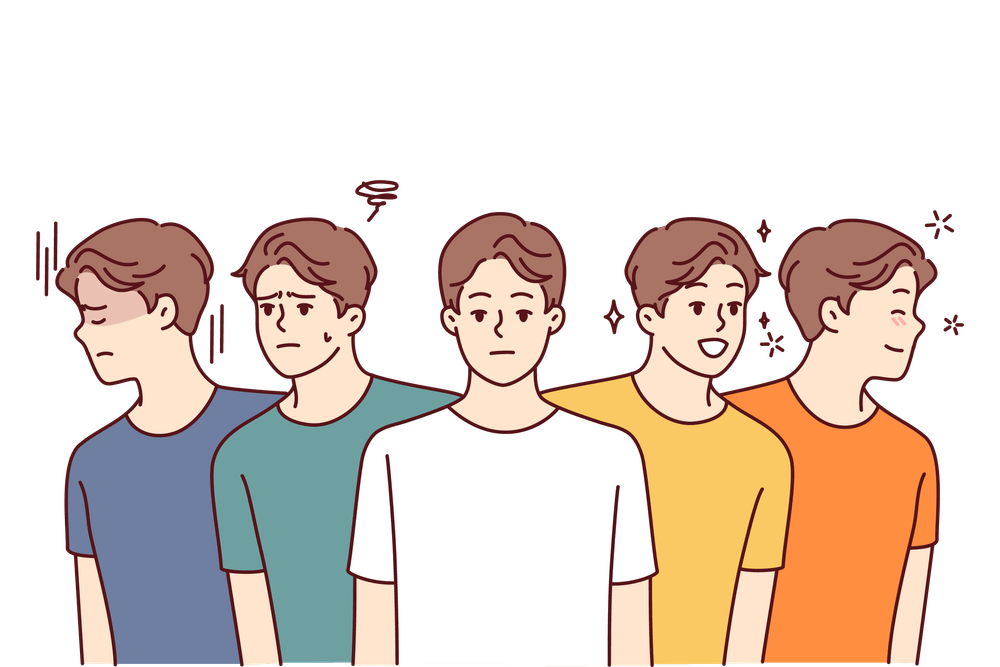
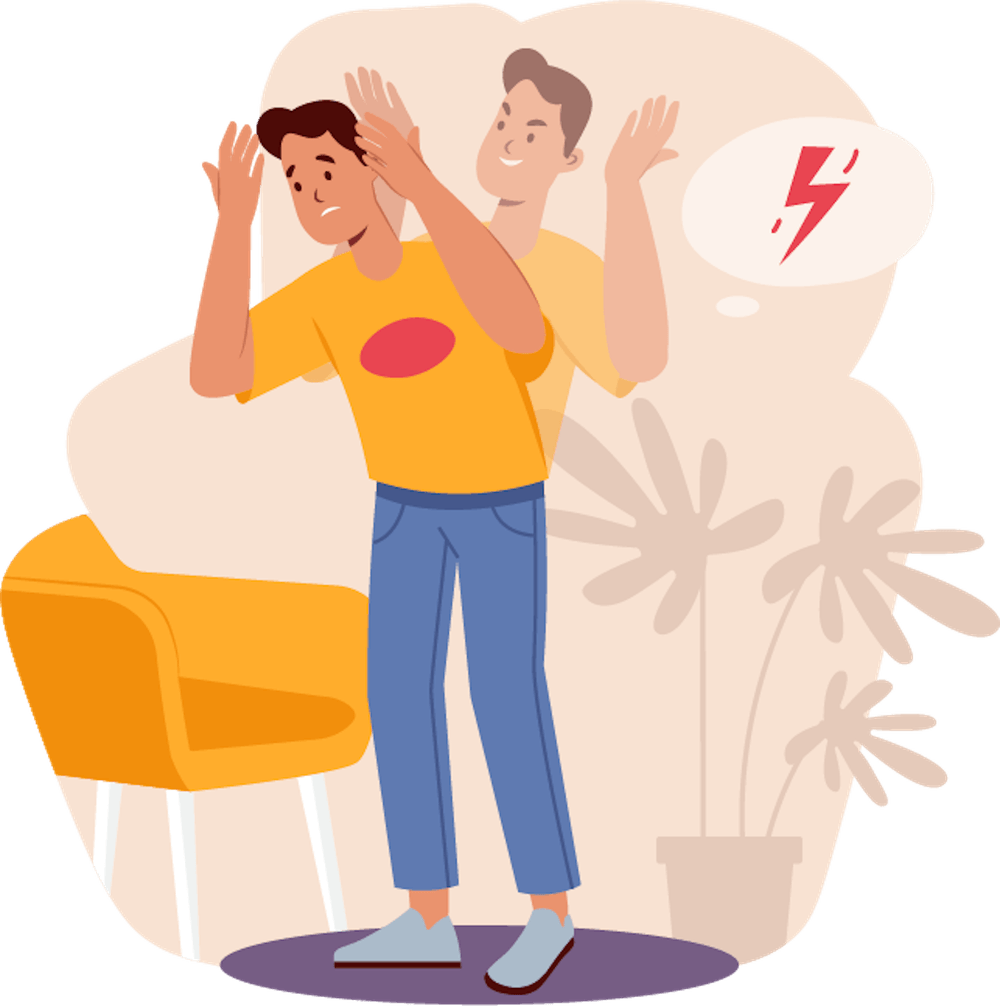
Mania linked to bipolar disorder can reduce sleep dramatically, increase talking, and create nonstop thoughts, making it difficult to slow down or relax.
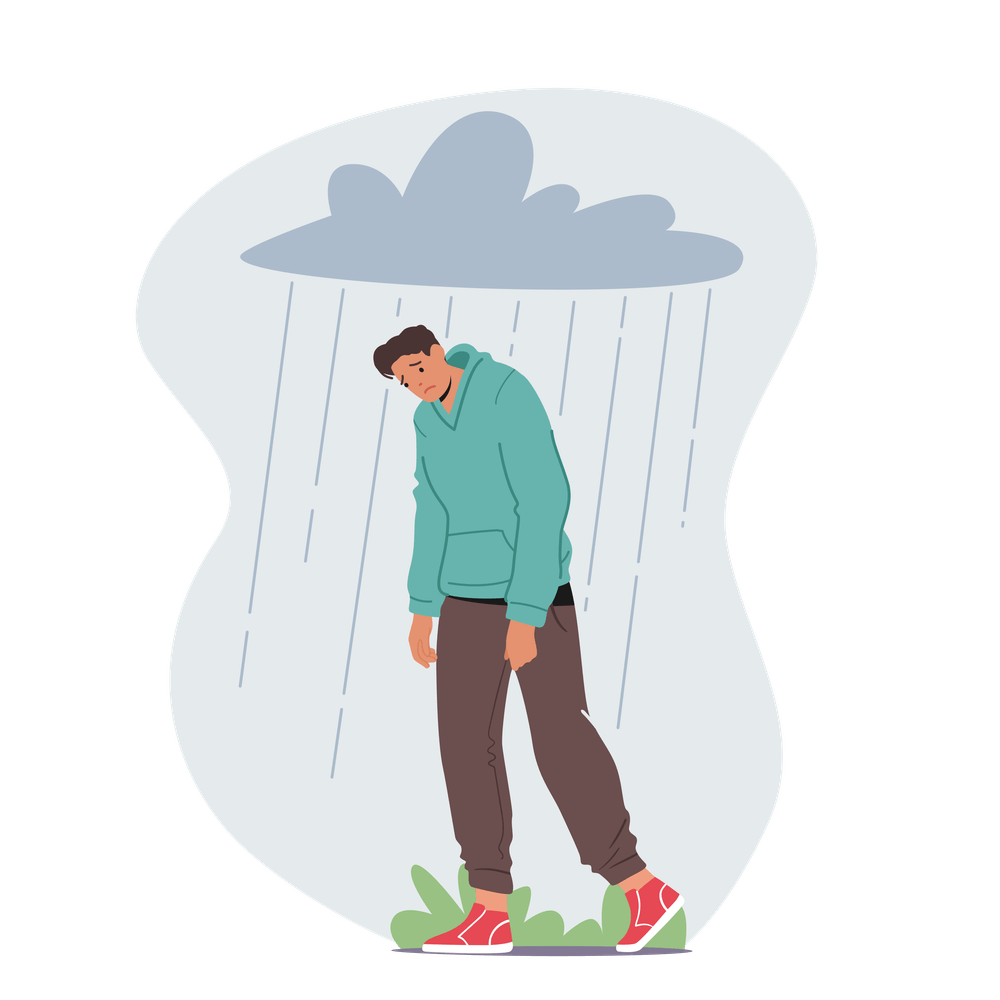
Many individuals describe bipolar depression as heavier and more immobilizing, sometimes paired with guilt or hopelessness that feels unusually intense.
Some individuals with bipolar disorder may start multiple projects impulsively, overestimating abilities and taking on responsibilities that become unmanageable later.

Bipolar disorder impulsivity sometimes includes risky purchases, where excitement overrides budgeting and long-term financial awareness.

Stress does not cause bipolar disorder but it can worsen symptoms and increase relapse risk. Learn your stress ceiling by noticing what happens during overloaded weeks. Common signs include sleep disruption irritability and faster thinking. Build a stress plan with scheduled breaks realistic deadlines and a weekly review of commitments. Say no earlier rather than later. Use calming practices that work for you such as walking breathing or journaling. If conflict is a trigger practice scripts for hard conversations. Managing stress is not weakness. It is prevention. Lower stress supports better sleep and steadier mood
In Plantation routine can act like guardrails for bipolar disorder. Regular sleep meals and activity reduce sudden shifts in mood and energy. Start with a few anchors such as wake time first meal and evening wind down. Add gentle movement at a consistent time because exercise supports sleep quality. When energy rises reduce late night plans and simplify stimulation. When depression appears add small structured tasks and brief social contact. Routine is not rigidity it is stability that helps you stay balanced and notice early changes before they escalate over time
We offer medication management for mental health conditions such as ADHD, anxiety, depression, insomnia, and bipolar disorder.
With ADHD, focus may arrive in extremes, either scattered across many thoughts or locked into hyperfocus, where hours disappear while working on something interesting.
Anxiety can feel like being stuck in the future, constantly imagining worst-case outcomes instead of fully experiencing what is happening right now.
Depression can feel like being stuck in slow motion, where thoughts drag, movement feels heavy, and motivation disappears without explanation.
Insomnia can make nights feel endless, where minutes stretch into hours and sleep becomes something chased rather than naturally received.
In Plantation, many adults juggle careers, family schedules, and long to do lists, which can make bipolar symptoms harder to notice. During elevated moods, decisions may feel urgent, leading to impulsive commitments or spending. During depressive phases, even simple choices can feel exhausting. Creating a pause routine helps: wait twenty four hours before major decisions, review plans with a trusted person, and keep treatment consistent. Stability grows through small predictable habits.
Florida weather feels sunny most of the year, but shifts in heat, storms, and indoor time can still affect mood rhythms. In Plantation, long bright evenings may encourage later bedtimes, which can increase risk for mood elevation. On the other hand, staying indoors during heavy rain can worsen isolation during depression. Try keeping sleep and wake times steady, using morning sunlight exposure, and maintaining social contact even when weather changes disrupt routines.
Medication often helps regulate mood swings, but therapy adds tools for living with bipolar disorder day to day. In Plantation, therapy can focus on recognizing triggers, managing relationships, and building routines that protect sleep and stress levels. Cognitive behavioral strategies can challenge all or nothing thinking, while interpersonal therapy supports communication during mood shifts. Many people benefit from learning relapse prevention skills so they can respond early rather than waiting until symptoms become severe.
Support works best when it feels collaborative, not controlling. Families in Plantation can help by learning the difference between normal stress and mood episode warning signs. Instead of constant checking, agree on specific signals, like reduced sleep or rapid speech, that prompt a gentle conversation. Offer practical help, such as attending appointments or assisting with routine tasks during depression. Encouragement, patience, and consistent boundaries can create safety without taking away independence.
Healthy routines are powerful mood protectors. In Plantation, simple habits like regular exercise, balanced meals, and consistent sleep can reduce vulnerability to mood swings. Avoiding alcohol and recreational drugs is important, since substances can trigger episodes or interfere with medication. Many people also benefit from structured daily schedules, mindfulness practices, and limiting overstimulation from late night screens. Lifestyle changes do not replace treatment, but they strengthen long term stability.
Urgent help is needed if symptoms become unsafe or rapidly escalate. In Plantation, seek immediate support if someone has suicidal thoughts, cannot sleep for several nights with rising energy, experiences hallucinations, or becomes dangerously impulsive. Contact a crisis line, go to an emergency department, or reach out to your psychiatrist right away. Early intervention prevents episodes from worsening. Having a written crisis plan and trusted contacts prepared ahead of time can make action faster.
Reviewed by Mind Mechanic Clinical Oversight
Last updated: January 28, 2026
