Several FDA-approved medications have been clinically proven to improve sleep patterns. Learn more in our detailed insomnia medication guide.
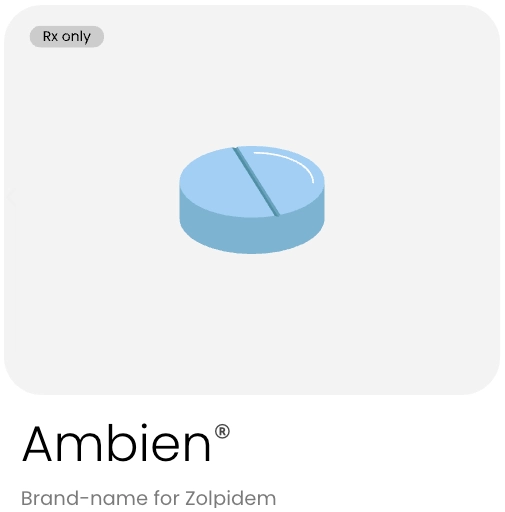
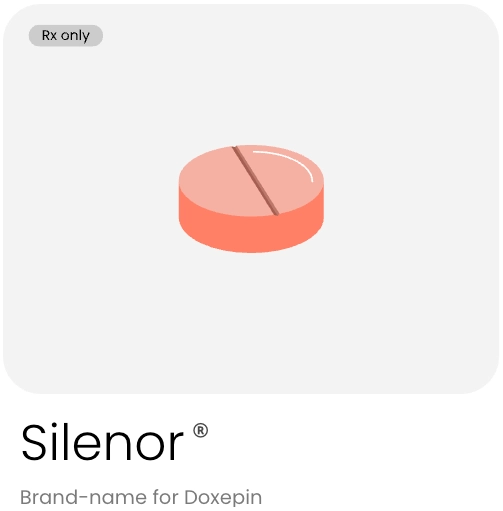
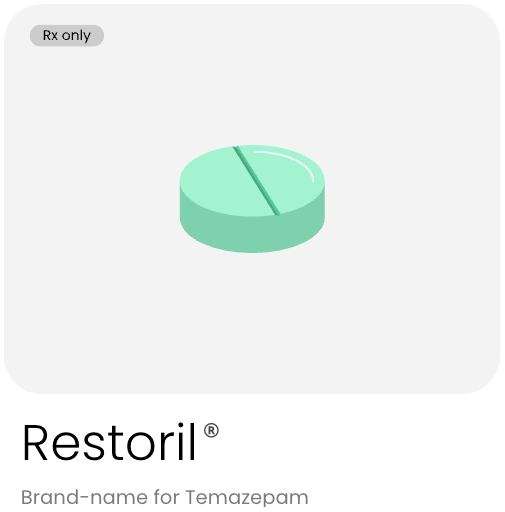
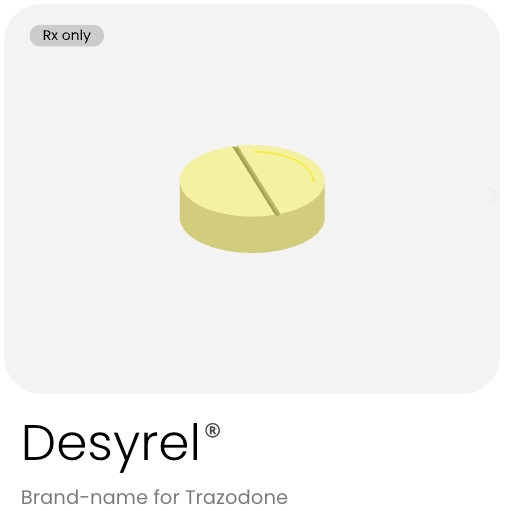
Restful sleep is essential, and our mission is to make insomnia care easier to access and more personal. We provide affordable mental health support with timely appointments and the ability to message your provider directly. Insomnia often requires ongoing guidance, and we ensure patients are closely monitored with treatment plans tailored to their needs. Traditional systems can make it difficult to get help quickly, but we focus on removing those obstacles. Our goal is to offer compassionate psychiatric care that helps you regain consistent sleep and improve overall mental wellness. We’re here to provide insomnia treatment and other mental health services in Parkland, FL.
Insomnia can present itself in many different ways. There are many signs and symptoms to watch out for.
With insomnia, mornings may feel exhausting because the nervous system remains activated at night, reducing the refreshing benefits of healthy sleep.
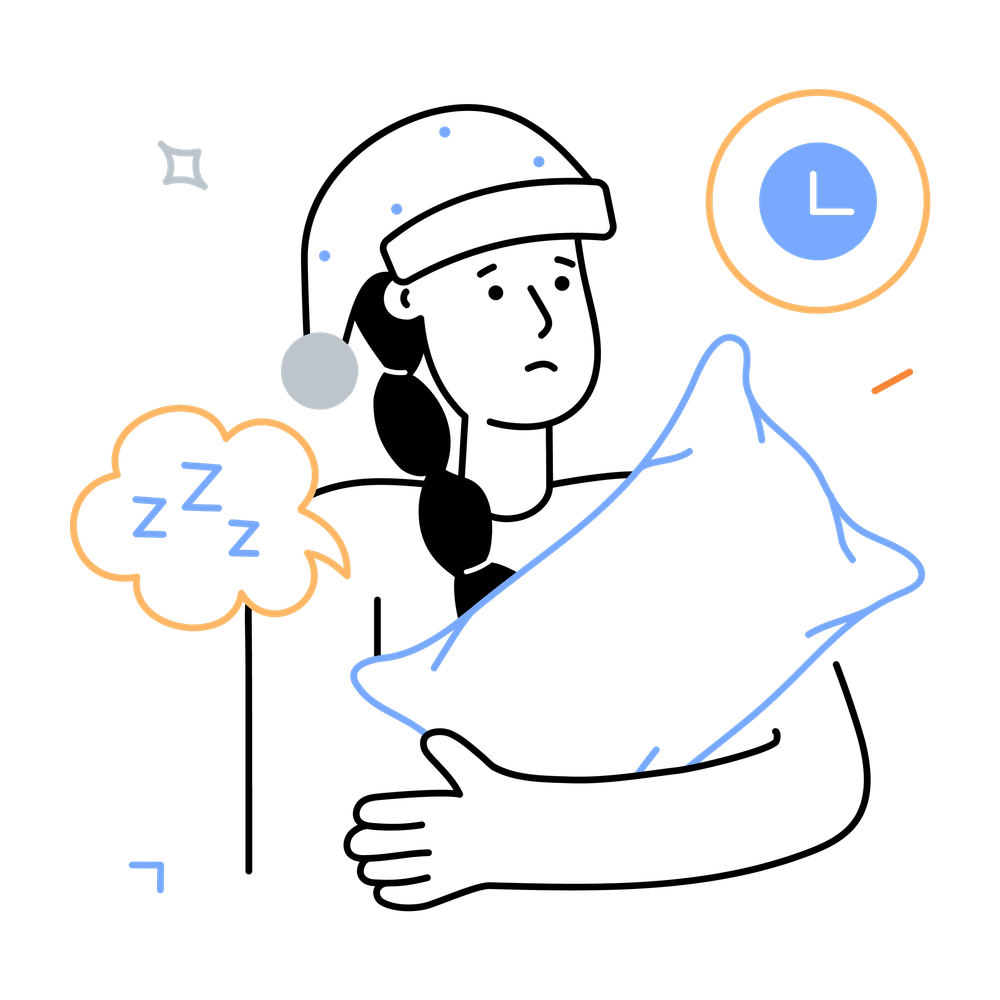
With insomnia, irritability often appears because the body remains fatigued, leaving less energy available for self-control and calm responses.

With insomnia, trouble focusing often increases because the brain struggles to sustain concentration without enough restorative deep sleep.

With insomnia, careless mistakes often happen because the brain struggles to sustain attention long enough to complete tasks carefully.

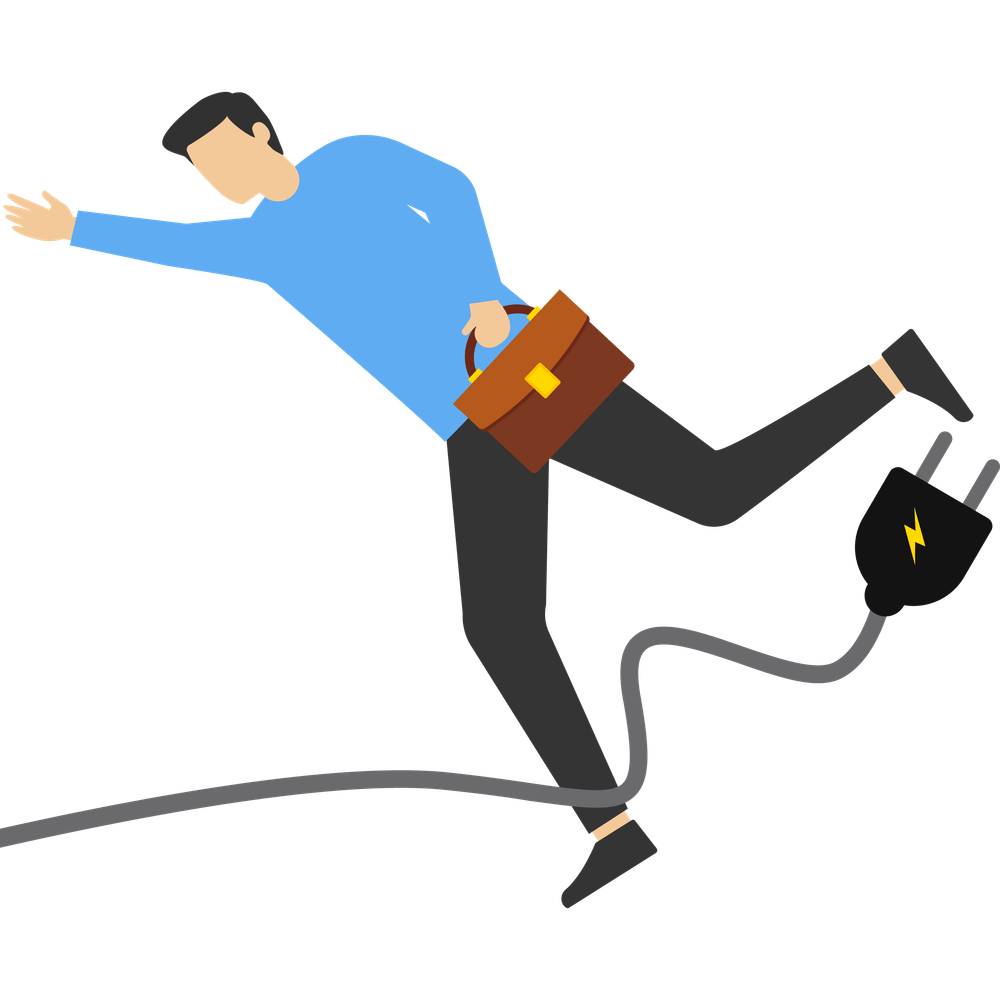
With insomnia, delayed reflexes often appear because the body is tired and the brain struggles to process sensory information efficiently.
Sleeping in on weekends feels like recovery, but for insomnia it can be jet lag by choice. A later wake time shifts your internal clock, then Sunday night arrives and you are wide awake. Keep your wake time within about an hour of weekdays. If you are exhausted, take a short nap early afternoon, not late day. Plan a relaxing morning ritual so waking earlier feels less punishing. Consistency builds sleep pressure for the next night and stabilizes mood. Think of weekends as rhythm practice, not escape. Protect Sunday night by keeping Saturday steady.
Parkland sleepers may struggle when weekday and weekend schedules drift apart. Sleeping in can feel restorative but often delays sleep the next night. Anchor a consistent wake time within about an hour daily. Morning light exposure strengthens the body clock and builds sleep pressure for nighttime. If exhausted, keep naps brief and early. Stability creates rhythm. Over several weeks, insomnia improves because the brain knows when day begins and when night is meant for rest.
We offer medication management for mental health conditions such as ADHD, anxiety, depression, insomnia, and bipolar disorder.
People with ADHD often experience forgetfulness, misplaced items, and difficulty managing schedules, not from laziness, but from differences in executive functioning.
With anxiety, simple decisions may feel heavy, as the mind tries to predict outcomes, avoid mistakes, and prepare for every possible scenario.
With depression, the mind may become self-critical, replaying mistakes and doubts while ignoring strengths, making confidence and hope harder to maintain.
With bipolar disorder, manic episodes may involve racing thoughts, reduced need for sleep, impulsive decisions, and heightened activity that feels intense and hard to slow down.
Yes. In Parkland, many people hold themselves to high standards in parenting, fitness, and productivity. That same pressure can follow you into bed, creating a sense that sleep must be perfect too. The brain stays on alert when it feels evaluated. A helpful shift is allowing imperfect nights without panic. Sleep improves when bedtime becomes less of a performance and more of a release.
Insomnia can appear when the day lacked enough movement or stimulation. In Parkland, a low activity day can reduce sleep pressure, leaving the body less ready for rest at night. Gentle daytime motion, sunlight, and engagement help build healthy fatigue. Sleep is partly a biological buildup. Even a short afternoon walk can create more nighttime readiness than staying indoors all day.
Parkland households often run on packed calendars, and inconsistent evenings can confuse sleep rhythm. Late dinners, children’s activities, or irregular wind down times keep the nervous system activated. Instead of chasing perfect bedtime, focus on a consistent wake time and a simple nightly transition ritual. Even fifteen minutes of predictable calm helps. Sleep improves when the body senses routine, not when the evening is constantly shifting.
Yes. Some Parkland residents wake suddenly with a surge of adrenaline, especially during stress or anxiety. This does not always indicate danger, it can be the nervous system overreacting. Keep lights dim, avoid checking the time, and use slow exhale breathing to signal safety. If episodes are frequent, consider evaluating for sleep apnea or panic patterns. Calm responses reduce recurrence.
Going to bed early can backfire if you are not truly sleepy. In Parkland, people often try to compensate for exhaustion by getting into bed sooner, but this increases wake time in bed and strengthens insomnia. Instead, keep bedtime aligned with real drowsiness and maintain a steady wake time. Sleep consolidates when the body clock and sleep pressure match, not when you chase extra hours.
Overstimulation in the evening is common. Parkland residents may not realize that late conversations, intense TV, or constant phone notifications keep the brain alert. The issue is not just screens, it is emotional activation. Create a calmer last hour with dim lighting, low demand activities, and fewer inputs. Sleep arrives more easily when nighttime becomes boring and predictable.
Reviewed by Mind Mechanic Clinical Oversight
Last updated: January 28, 2026

