Several FDA-approved medications have been clinically proven to improve feelings of sadness. Learn more in our detailed depression medication guide.

We strive to make depression treatment easier to access and more personal for every patient. Depression can feel overwhelming, which is why we offer timely appointments and affordable care designed to meet you where you are. Our practice encourages direct communication with your provider, so you never feel alone in the process. We remove traditional barriers like long waitlists and difficult scheduling. Through personalized monitoring and compassionate support, our mission is to help you find relief, rebuild energy, and reconnect with hope. We’re here to provide Depression treatment and other mental health services in Davie, FL.
Depression can present itself in many different ways. There are many signs and symptoms to watch out for.
Feeling hopeless often connects depression and anxiety, where constant worry drains motivation and makes life seem stuck in a permanent gray loop.
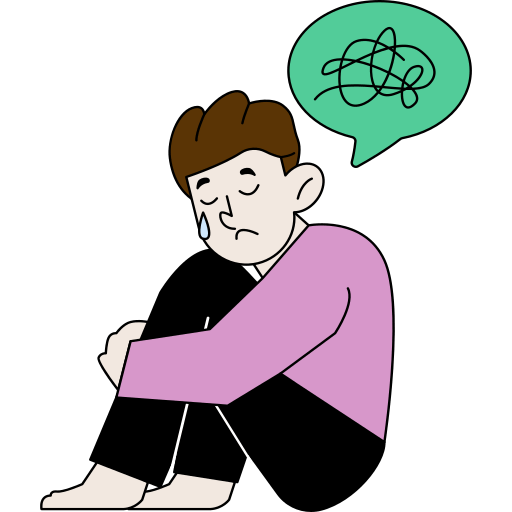
Low energy in depression may come from emotional weight, as sadness and hopelessness drain the drive needed for everyday responsibilities.
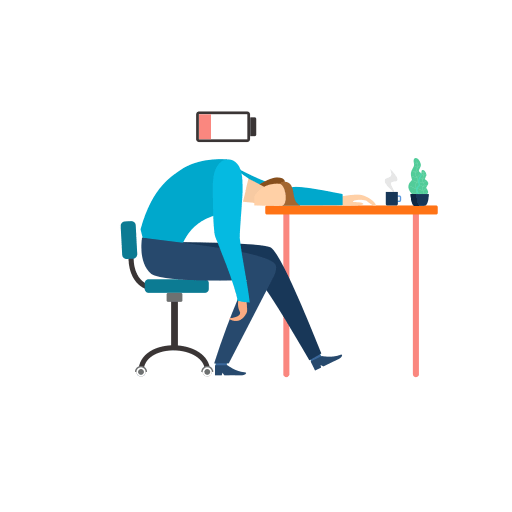
Sleep changes in depression can also mean oversleeping, where someone stays in bed longer yet still feels tired and emotionally drained.
Difficulty focusing in depression can feel like mental fog, where attention struggles to stay steady even during important responsibilities.

Irritability in depression often shows up when sadness is hidden, and frustration becomes the more visible emotion on the surface.

Depression often turns thinking into a dark treadmill, repeating the same self critical story until it feels true. Interrupting rumination is not about arguing with every thought, it is about changing the channel. Write the main thought as a sentence, then label it as a depressive thought, not a fact. Shift into an action that uses your senses: dishes, shower, stretching, a slow walk. If thoughts return, repeat the label and return to the task. Each interruption teaches your brain it has an exit door
Davie residents balancing work and family responsibilities may experience depression as exhaustion and shutdown. When life feels overwhelming, the brain often responds by withdrawing. Recovery starts with reducing the load into small manageable actions. Choose one priority per day, not ten. Short movement breaks, hydration, and predictable sleep can improve energy. Depression also improves with planned connection rather than isolation. Therapy provides tools for rumination and hopeless thinking. Small repeated steps create momentum even when motivation feels absent.
We offer medication management for mental health conditions such as ADHD, anxiety, depression, insomnia, and bipolar disorder.
ADHD can make time feel slippery, leading to lateness, missed deadlines, and last-minute rushes, even when you genuinely care and try to plan ahead.
Anxiety may turn normal decisions into exhausting math, where every option sprouts consequences, and reassurance helps briefly before doubt returns, louder and more insistent.
Bipolar disorder can include hypomania: brighter mood, less sleep, bigger ambitions, and faster speech, which may feel productive at first but can tip into irritability or consequences.
Insomnia can cause frequent waking, shallow sleep, or early mornings that arrive too soon, leaving you feeling unrefreshed and mentally foggy.
In Davie, many people juggle work, commuting, and family demands, and depression can blend into what looks like burnout. Instead of obvious sadness, it may feel like exhaustion, detachment, and losing interest in things that once mattered. The brain becomes overloaded and starts shutting down emotionally. Rest alone may not fix it because depression affects motivation and reward. Support works best when recovery includes structure, connection, and professional care, not just pushing through.
Davie residents with depression often report brain fog, slower thinking, and difficulty focusing. This can make work tasks feel twice as hard and increase self criticism. Depression reduces cognitive energy, so attention becomes fragmented. A helpful approach is simplifying demands, doing one task at a time, and using short focus blocks. External supports like lists reduce mental load. Clarity often returns gradually as mood improves, and therapy can help reduce the hopeless thoughts that worsen fog.
Yes, depression often convinces people they are a burden, so they pull away. In Davie, withdrawal may look like canceling plans, ignoring messages, or staying quiet at home. This isolation can deepen depression by removing connection and perspective. A helpful goal is small predictable contact rather than waiting to feel better first. Even a brief text or short call helps keep relationships alive. Recovery often begins with connection that feels manageable, not overwhelming.
Depression changes the brain’s initiation system, making small actions feel strangely difficult. In Davie, tasks like showering, cooking, or replying to an email may feel heavy and unreachable. This is not laziness, it is a symptom of reduced motivation chemistry. The best strategy is micro action: do the smallest possible step, then pause. Standing up counts. Small starts create momentum over time and reduce the shame that keeps people stuck.
Depression often creates a harsh inner narrative. In Davie, someone may begin believing they are failing, falling behind, or permanently broken. These thoughts feel convincing because depression colors perception like a dark lens. A helpful practice is treating these beliefs as symptoms, not truths. Writing one more accurate statement each day can weaken the distortion. Therapy supports rebuilding self worth by challenging depressive thinking patterns and restoring perspective.
Recovery is rarely a straight upward line. In Davie, meaningful progress often looks like small returns, more energy on some mornings, brief interest in activities, or increased willingness to engage. Setbacks do not mean failure, they are part of healing. Depression improves through repetition of basics: routine, nourishment, movement, connection, and support. Over time, life expands again in measurable steps, and the depressive fog becomes less permanent and less powerful.
Reviewed by Mind Mechanic Clinical Oversight
Last updated: January 28, 2026

