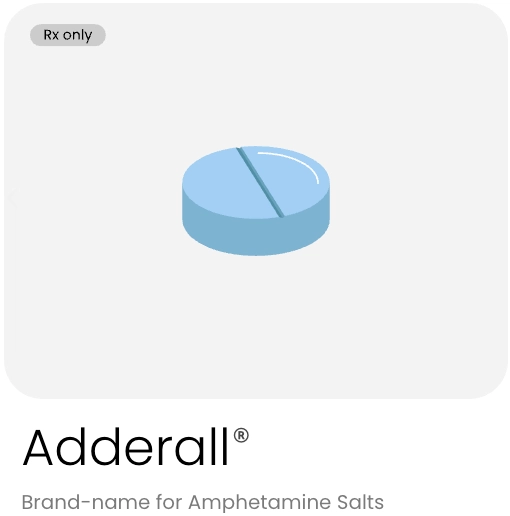
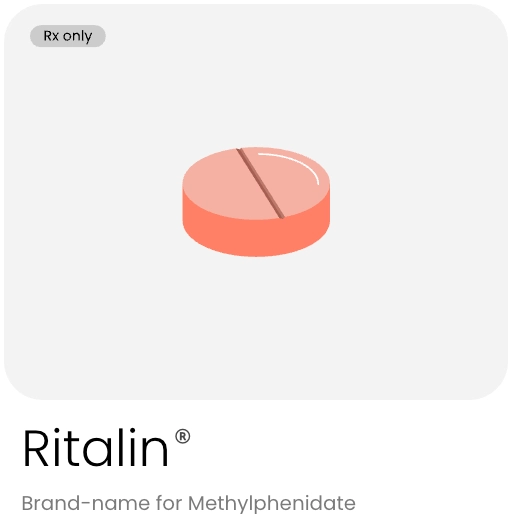
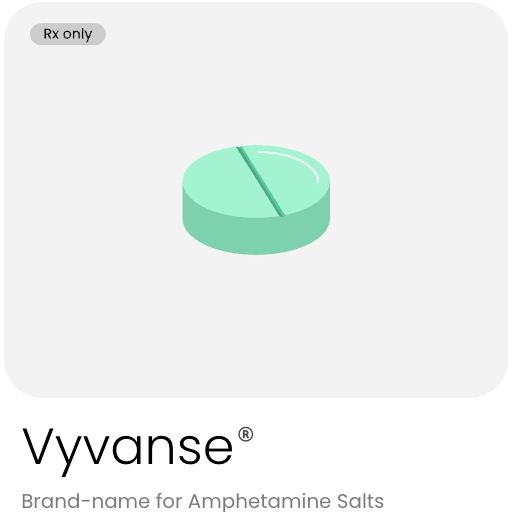
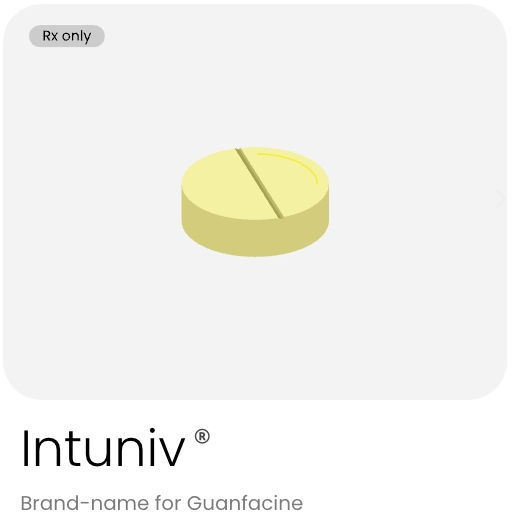
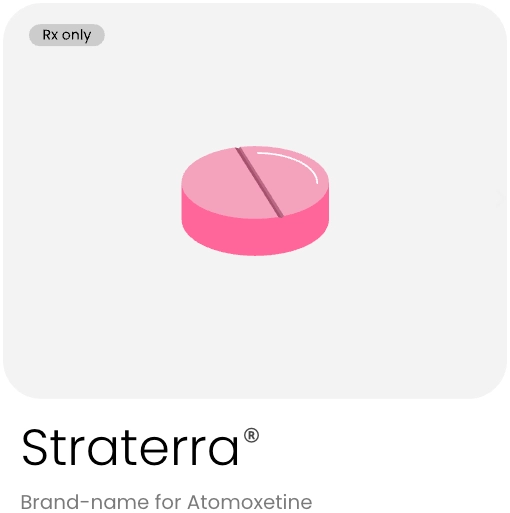
Several FDA-approved medications have been clinically proven to improve attention and focus. Learn more in our detailed adhd medication guide.
Our mission is to deliver affordable and modern ADHD care with a strong focus on connection and support. Living with ADHD can bring challenges with focus, impulsivity, time management, and emotional regulation. We believe treatment should be timely, personalized, and easy to access. That is why we provide quick scheduling and direct messaging with your provider, so you are never left navigating alone. Traditional systems often create delays and barriers, but we work to simplify the process. Our goal is to help you find strategies, balance, and lasting progress. We’re here to provide ADHD treatment and other mental health services in Davie, FL.
ADHD can present itself in many different ways. There are many signs and symptoms to watch out for.
ADHD related forgetfulness can create stress at work or school, especially when assignments, emails, or important instructions slip away unexpectedly.

ADHD related procrastination can lead to last minute rushing, missed deadlines, and stress, even when someone has good intentions and strong abilities.

Careless mistakes in ADHD are not about intelligence, but about attention regulation, which can cause small errors even during familiar tasks.

Disorganization in ADHD is not a personality flaw, but a brain based difficulty with organizing tasks, time, and information effectively.
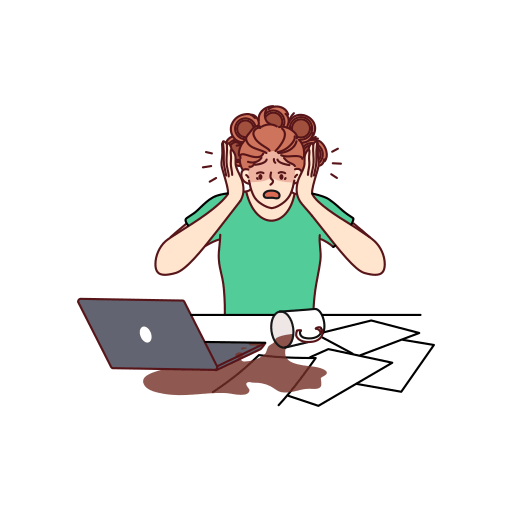
Trouble focusing in ADHD is not about lack of effort, but about the brain struggling to filter distractions and maintain steady attention.

Inbox overload can hijack attention fast. Create simple triage rules. First scan for urgent deadlines and calendar items then handle only those. Next delete or archive anything you will not act on. Then respond to messages that take under two minutes. Everything else becomes a task with a next step written outside the email. Limit email sessions to two scheduled windows so new messages do not steal your focus all day. A small set of rules reduces decision fatigue and keeps email from controlling your schedule. Over weeks you may notice steadier mood better focus and fewer slips.
ADHD in Davie can include big emotions and quick frustration especially during stressful days. Building regulation skills creates a helpful pause. Labeling feelings slow breathing and short movement resets can reduce blowups. Lowering noise and light during overwhelm may also help. After emotions settle reviewing triggers teaches patterns and solutions. With practice individuals gain better control in relationships school and work. These tools support calmer reactions and stronger confidence over time
We offer medication management for mental health conditions such as ADHD, anxiety, depression, insomnia, and bipolar disorder.
For many people, anxiety feels like carrying invisible pressure, where relaxation is difficult and the mind keeps scanning for problems to solve.
For many people, depression feels like life losing its color, where interests fade and activities that once brought joy no longer feel meaningful.
For many individuals, bipolar disorder includes depressive phases marked by hopelessness and fatigue, alongside elevated phases where energy and confidence rise dramatically.
For many people, insomnia feels like chasing sleep, where the harder you try to rest, the more alert and frustrated you become.
Davie residents with ADHD often feel calm in one setting and scattered in another. Context matters. If focus is fine during hands-on tasks but falls apart with paperwork or long lectures, your brain may need more structure, not more effort. Try pairing boring tasks with a timer and a visible next step. Use a single capture list for ideas so you stop mentally juggling. A clinician can also screen for sleep issues, anxiety, or depression that can mimic ADHD symptoms.
In Davie, many adults with ADHD struggle most with follow-through after a great plan. The fix is to design plans that survive low-motivation days. Write the first action so small it feels automatic, then schedule it on your calendar. Add a friction reducer, such as keeping supplies in one bin or using templates. Build accountability with a weekly check-in, texting a friend or coworker. When follow-through improves, confidence rises and overwhelm drops.
ADHD can make driving and navigation harder, especially when your mind drifts. In Davie, reduce risk by creating a pre-drive ritual. Set your navigation before you start, silence notifications, and put your phone out of reach. If you notice zoning out, pull into a safe spot and reset with slow breathing and a sip of water. Leave earlier than you think you need and avoid multitasking in traffic. Consistent sleep and medication timing can also affect driving attention.
For Davie students with ADHD, studying longer is not always better. Studying smarter means active recall. After reading a short section, close the material and explain it out loud, or write three bullet points from memory. Use short sprints with planned breaks, and keep the phone in another room. If procrastination hits, start with a two-minute warm-up task, like opening the document or writing the title. Small starts create momentum and reduce avoidance.
Emotional snap reactions can be part of ADHD, not just personality. In Davie, people may feel frustration rise quickly during interruptions or criticism. Build a pause skill. Label the feeling, take one minute of slow breathing with a longer exhale, and lower stimulation by stepping away from noise. Later, review what triggered you and what you needed in that moment. Over time, these micro resets reduce blowups and protect relationships at home and work more reliably.
If you are in Davie and wonder whether it is ADHD or anxiety, look at the pattern. Anxiety is driven by worry and threat-related thoughts, while ADHD is more about attention regulation and task initiation. Many people have both. A proper evaluation reviews childhood history, school reports, patterns, sleep, mood, and substance use. Treatment can include skills coaching, therapy for worry loops, and medication when appropriate. A clear diagnosis reduces self-blame and guides the best plan.
Reviewed by Mind Mechanic Clinical Oversight
Last updated: January 28, 2026
