Several FDA-approved medications have been clinically proven to improve feelings of worry and nervousness. Learn more in our detailed anxiety medication guide.
Our mission is to remove obstacles that keep people stuck with anxiety and constant uncertainty. We provide affordable care, prompt appointments, and direct provider messaging so support is available when symptoms rise. Anxiety can feel unpredictable, which is why we emphasize ongoing monitoring and individualized adjustments rather than generic plans. Traditional systems often create delays and distance, but our approach is built on access, clarity, and continuity. We focus on practical steps, measurable progress, and supportive communication that helps you feel steadier each week. We’re here to provide Anxiety treatment and other mental health services in Cooper City, FL.
Anxiety can present itself in many different ways. There are many signs and symptoms to watch out for.
Excessive worry linked to anxiety often creates nonstop mental noise, making it hard to relax or trust that situations will resolve naturally.
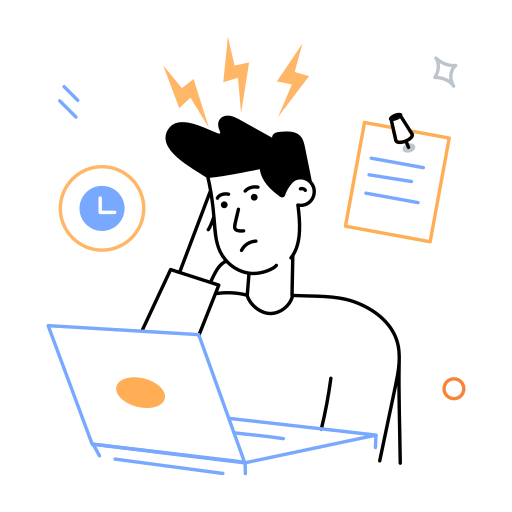
Anxiety often triggers restlessness that feels internal, like nervous energy that cannot fully release or settle down.
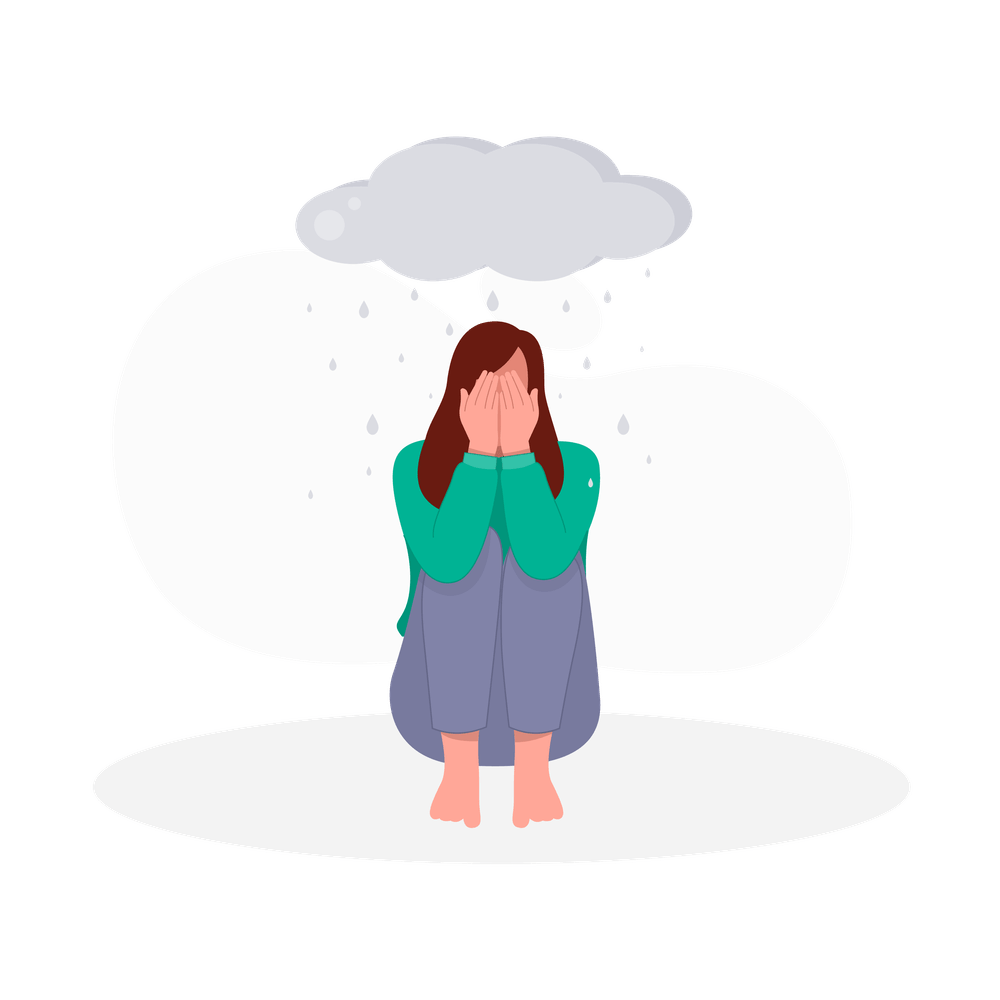
Anxiety-related fast heart rate can feel alarming, sometimes increasing fear and reinforcing anxious thoughts further.
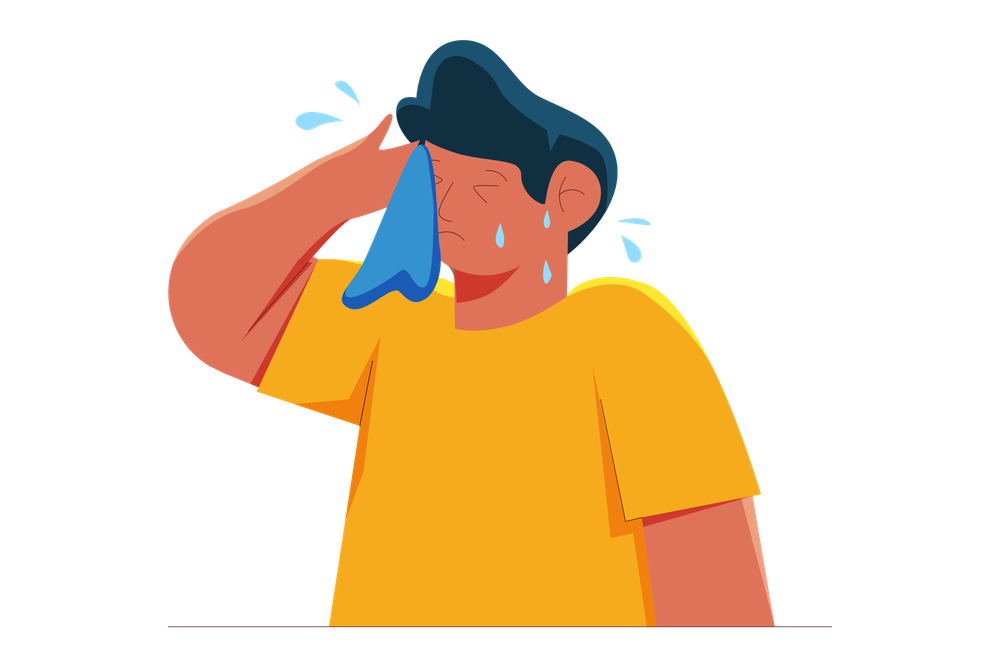
Muscle soreness from anxiety develops when the body remains in a constant state of physical tension.

With anxiety, emotional reactions may feel sharper, causing irritability to surface more quickly.
When anxiety spikes, breathing becomes fast and high in the chest, which signals threat to the brain. A reset is simple and portable. Inhale through the nose for four counts, exhale for six counts, and pause for two counts. Repeat for two minutes while relaxing your jaw and shoulders. The longer exhale nudges the body into a calmer state. Pair it with a phrase like I am safe right now. If dizziness appears, slow the pace and keep breaths gentle. Practice daily so it feels automatic under stress. Do it before meetings, calls, or tough conversations too.
Cooper City families often balance school demands, extracurriculars, and busy household routines. Anxiety can show up as racing thoughts, irritability, or trouble sleeping when pressure builds. Helpful tools include breaking tasks into small steps, using calming breathing before stressful moments, and limiting perfectionism. Teens and adults benefit from predictable schedules and supportive conversations rather than constant reassurance seeking. Therapy can teach coping strategies and emotional regulation. With structure and support, school related stress becomes more manageable.
We offer medication management for mental health conditions such as ADHD, anxiety, depression, insomnia, and bipolar disorder.
ADHD can feel like juggling thoughts on a trampoline: everything bounces, priorities shift midair, and you’re still trying to catch the one thing that matters before it lands.
It’s a slow drain in motivation, as if your inner fuel gauge lies, leaving you tired before you start, and unsure why ordinary tasks suddenly feel enormous.
At times your mind becomes a fast train, thoughts linking brilliantly and quickly, sleep seeming optional; later the same tracks lead into a foggy tunnel of heaviness and doubt.
Insomnia feels like lying in a quiet room with a loud mind, where every unfinished task and awkward memory takes the stage for an unwanted midnight encore.
Cooper City families often balance school demands sports activities and busy household routines. Anxiety can rise when schedules feel nonstop and there is little time to decompress. Symptoms may include irritability difficulty sleeping or constant worry about performance. Building predictable routines helps, such as consistent bedtimes short breaks and realistic priorities. Therapy can teach coping tools for stress management and perfection pressure. Small adjustments in daily structure often make responsibilities feel more manageable.
Before presentations appointments or school events, anxiety often spikes with racing thoughts and physical tension. In Cooper City, a simple preparation routine can help: slow exhale breathing grounding through the five senses and a brief positive script like I can handle this moment. Arriving early reduces rushing stress. Avoid excessive caffeine beforehand. Practicing calming skills regularly makes them easier to access during high pressure situations and improves confidence over time.
Yes, anxiety in teens may show up as irritability avoidance school refusal or physical complaints like headaches. In Cooper City, academic expectations and social pressures can intensify worry. Teens often benefit from clear routines supportive conversations and learning coping skills early. Encouraging gradual exposure to feared situations helps prevent avoidance from growing. Therapy provides tools for emotional regulation and healthy self talk. Early support helps teens feel more capable and less overwhelmed.
Overthinking often gets louder when the day becomes quiet. In Cooper City, nighttime anxiety may lead to replaying conversations or worrying about tomorrow. Helpful strategies include writing worries down earlier in the evening creating a calming wind down routine and avoiding screens before bed. If thoughts return, gently redirect attention to breathing or a soothing activity. Therapy can help break rumination cycles by teaching cognitive tools and acceptance of uncertainty.
Regular movement helps reduce anxiety by releasing physical tension and improving sleep. In Cooper City, activities like walking biking or gym routines can support emotional regulation when done consistently. The goal is moderate sustainable exercise rather than extreme intensity. Pair movement with mindful attention to the body instead of racing thoughts. Exercise works best alongside healthy routines and therapy. Small daily activity often creates noticeable improvements in stress resilience.
Professional support is important when anxiety begins interfering with daily life. In Cooper City, consider reaching out if worry affects sleep work school performance or relationships. Frequent panic symptoms or strong avoidance are also signs to seek help. Therapy provides tools for managing stress responses rumination and fear cycles. Medication may help some individuals when symptoms are severe. Early treatment prevents anxiety from becoming more entrenched and supports long term wellbeing.
Reviewed by Mind Mechanic Clinical Oversight
Last updated: January 28, 2026
