Several FDA-approved medications have been clinically proven to improve attention and focus. Learn more in our detailed adhd medication guide.
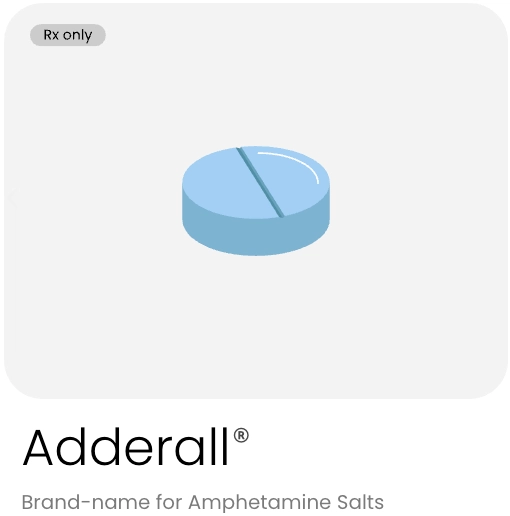
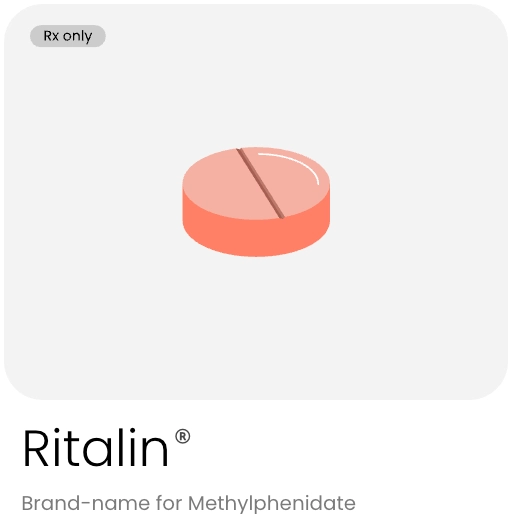
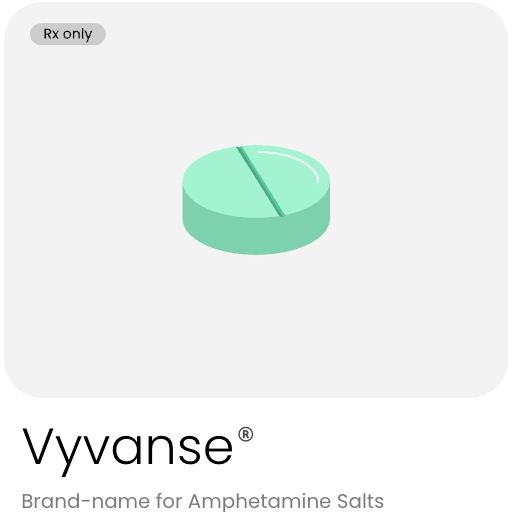

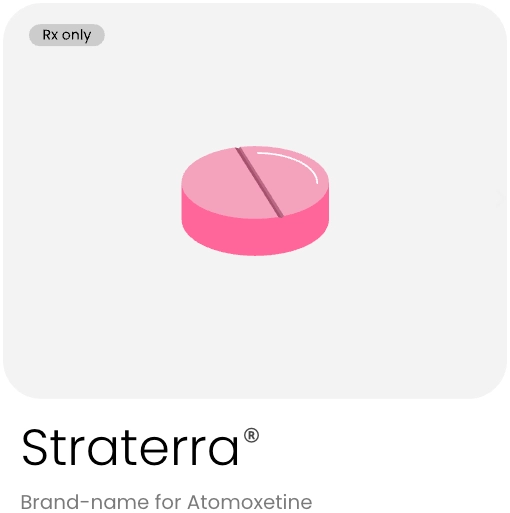
We are dedicated to providing accessible ADHD focused mental health care that meets you where you are. ADHD impacts more than concentration, often affecting relationships, work, school, and self esteem. Our mission is to remove obstacles that keep people from getting help, such as long waits and disconnected systems. We offer prompt appointments, personalized treatment plans, and the ability to message your provider directly. This close communication helps you feel supported between visits and ensures care stays aligned with your needs. Our goal is to help you manage ADHD with confidence. We’re here to provide ADHD treatment and other mental health services in Cooper City, FL.
ADHD can present itself in many different ways. There are many signs and symptoms to watch out for.
Many people with ADHD experience forgetfulness that affects routines, such as leaving chores unfinished or forgetting why they entered a room moments ago.

Many people with ADHD procrastinate not from laziness, but because focus and motivation can feel inconsistent, making simple responsibilities harder to begin.

Many people with ADHD make careless mistakes because sustaining focus on routine or repetitive activities can be difficult for the brain.

Many people with ADHD experience disorganization at home, such as cluttered spaces, misplaced items, or difficulty keeping routines consistent.
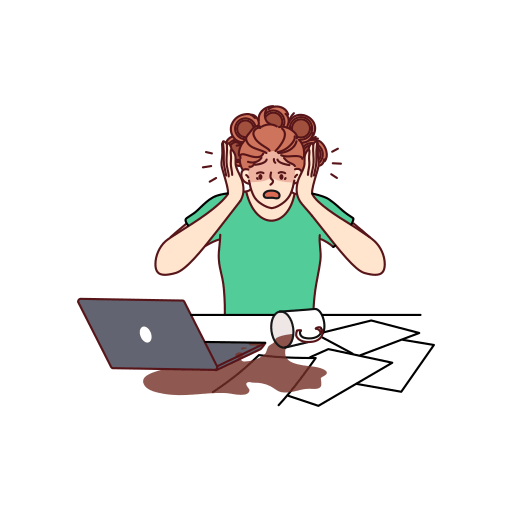
Many people with ADHD experience trouble focusing during conversations, reading, or meetings, causing them to miss important details unintentionally.

Time blindness makes minutes stretch or disappear. Create external time anchors. Use a visual timer for work and a second timer for transitions. Set alarms for leaving the house and for the ten minute warning before leaving. Break long blocks into predictable check ins like every twenty five minutes. Keep a small log that notes start time and end time. Seeing the pattern trains your estimate muscle. For meetings schedule a buffer block after so one late moment does not ripple through the day. With practice the skills become automatic and require less effort.
Families in Cooper City managing ADHD often do best with consistent daily anchors. Morning and evening routines reduce chaos and improve transitions. Visual checklists for backpacks meals and bedtime help children build independence. Parents can use simple rewards for effort rather than perfection. Scheduling short breaks between activities lowers stress for everyone. When routines stay predictable kids often show better emotional regulation and parents feel more confident supporting attention at home
We offer medication management for mental health conditions such as ADHD, anxiety, depression, insomnia, and bipolar disorder.
Anxiety is more than nervousness; it can involve racing thoughts, physical discomfort, and a persistent sense that something could go wrong at any time.
Depression is more than sadness; it can involve numbness, hopeless thoughts, and deep fatigue that makes daily routines feel overwhelming and hard to sustain.
Bipolar disorder is more than moodiness; it involves distinct episodes that can change how a person thinks, behaves, and experiences the world over time.
Insomnia is more than occasional sleeplessness; it involves persistent difficulty falling asleep, staying asleep, or waking too early without feeling refreshed.
Cooper City families often run on tight schedules and ADHD can turn transitions into daily bottlenecks. Instead of repeating reminders build visual lanes. Use one checklist for leaving the house and another for bedtime. Put it where shoes or toothbrushes live. Create a staging zone for backpacks forms and sports gear. Set two alarms one for start and one for go time. Transition systems reduce arguments because the routine becomes the boss not the parent
Yes ADHD can hide inside neat grades. In Cooper City some students compensate by spending triple the time and feeling exhausted. Signs include losing materials starting late forgetting instructions and needing constant rechecking. They may ace tests but dread projects that require planning. Support can include breaking assignments into milestones using rubrics and weekly teacher check ins. An evaluation can separate ADHD from anxiety or learning issues so the right accommodations and strategies are chosen
Many adults in Cooper City describe an odd pattern they can focus for hours on what interests them yet cannot start simple chores. That is ADHD task initiation not laziness. Hyperfocus is driven by reward and novelty while boring tasks lack dopamine. Use a start ritual like a timer plus a two minute first step. Pair chores with music and body movement. If hyperfocus steals sleep set alarms for meals and stop time and write a restart note
Organization tools fail when they are too complicated. In Cooper City the best system is the one you will actually use. Pick one capture tool for tasks and ideas. Every entry should start with a verb like call schedule or email. Review it at the same time daily. Keep your calendar for appointments only not vague to dos. Use a weekly reset to clear papers and set priorities. Simple predictable tools reduce mental load and prevent the endless feeling of being behind
ADHD can change how emotions move through the body. In Cooper City some people feel anger or tears arrive fast then fade just as quickly. That speed can strain relationships. Build a pause with one minute of slow breathing and a longer exhale. Step away from the room if needed and return with one sentence about what you need. Track triggers like hunger sleep loss or criticism. Emotional regulation skills are trainable and often improve with consistent routines and treatment
Medication is not the only option and it is not always the first step. In Cooper City many people start with behavioral strategies and coaching then consider medication if symptoms still impair school work or relationships. Good treatment plans often combine sleep support exercise structured routines and skills for planning and impulse control. If medication is used it should be monitored with clear goals and side effect tracking. The best approach is individualized and adjusted over time based on function
Reviewed by Mind Mechanic Clinical Oversight
Last updated: January 28, 2026
