Several FDA-approved medications have been clinically proven to improve mood stability. Learn more in our detailed bipolar medication guide.

Our practice exists to support patients with bipolar disorder through affordable, accessible, and compassionate mental health care. We offer timely appointments and direct provider messaging so you can receive guidance without unnecessary delays. Bipolar disorder often requires close monitoring, medication management, and personalized strategies, and we focus on care that adapts over time. Traditional systems can create frustrating barriers, but we prioritize responsiveness and connection. Our mission is to help you find balance, stability, and hope through consistent psychiatric support. We’re here to provide Bipolar Disorder treatment and other mental health services in Loxahatchee, FL.
Bipolar disorder can present itself in many different ways. There are many signs and symptoms to watch out for.
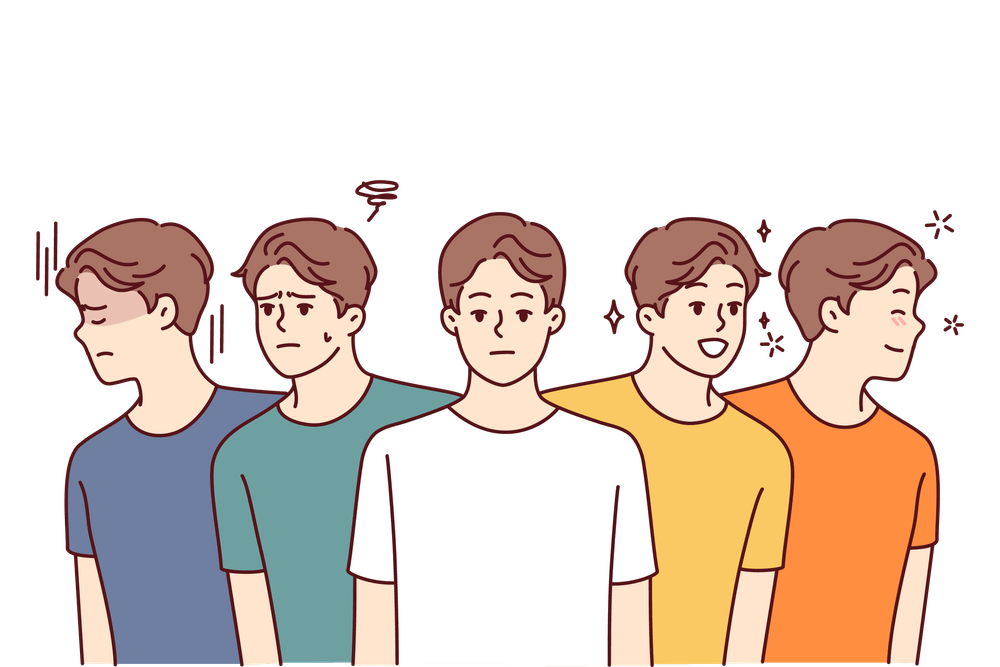
Bipolar disorder sometimes includes emotional instability that affects how someone responds to daily events, causing emotions to change more dramatically than expected.
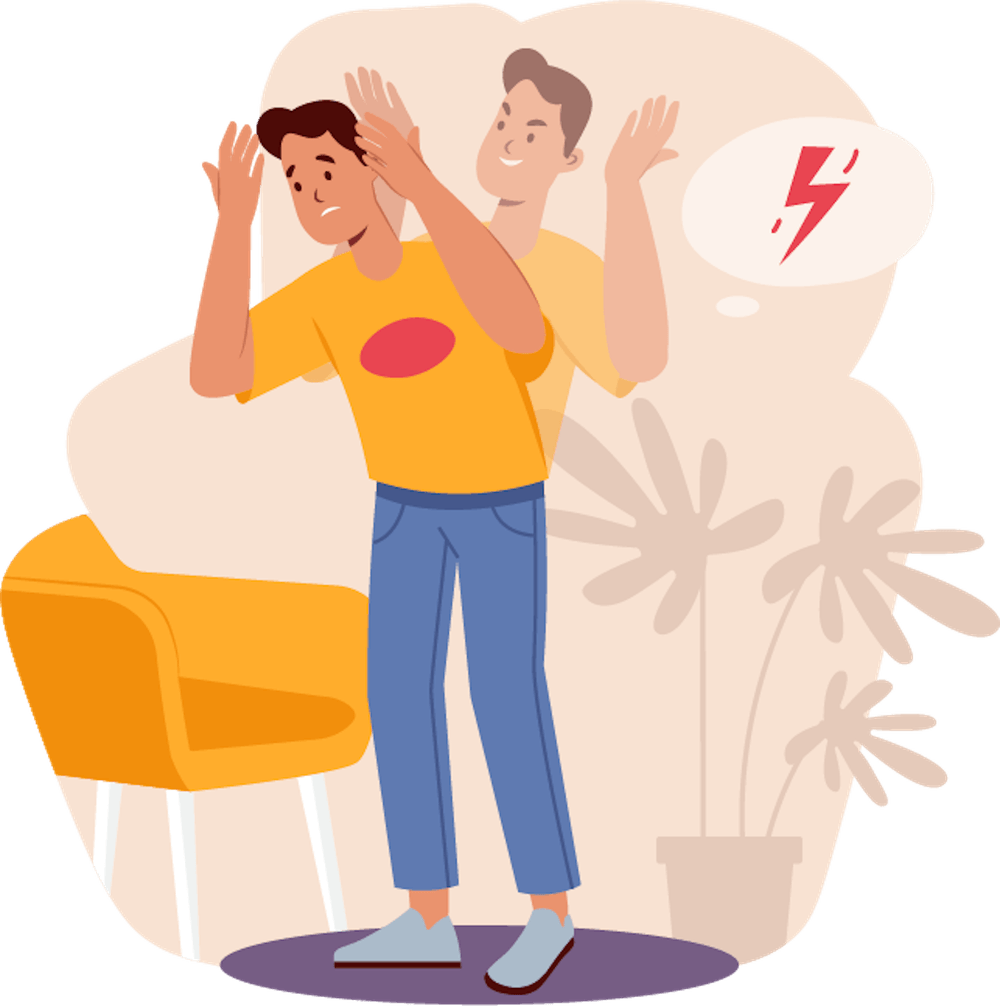
Bipolar disorder mania sometimes leads to unrealistic confidence, making someone believe they can accomplish anything without rest or support.
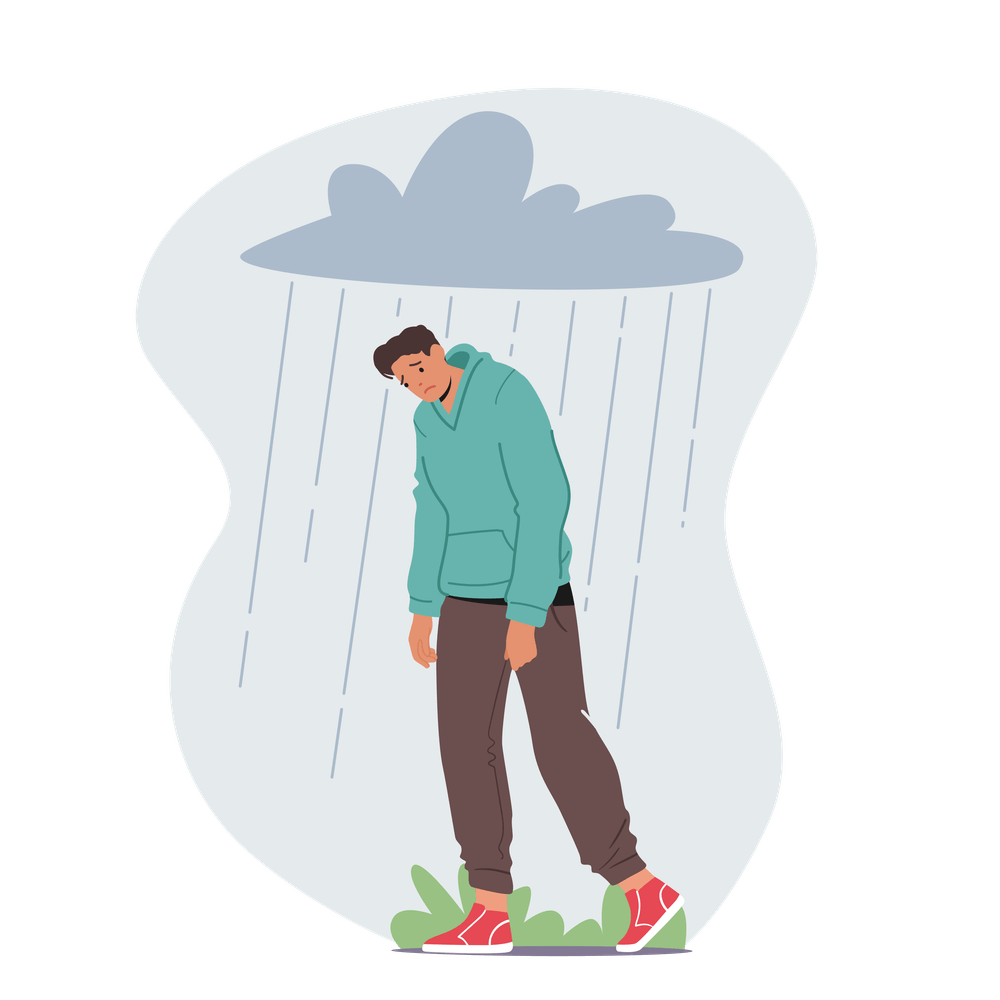
The depressive side of bipolar disorder is often misunderstood, yet it can be the most frequent and impairing part of the condition.
Reckless communication, like sending inappropriate messages, can occur in bipolar disorder when inhibition drops and thoughts move too quickly.

Some individuals benefit from structured plans to reduce impulsive choices during bipolar episodes, such as spending limits or accountability partners.

Nutrition and movement do not replace treatment but they can support stability in bipolar disorder. Regular meals help prevent energy crashes that can worsen irritability. Protein and fiber support steadier blood sugar. Hydration helps cognition and mood. Movement improves sleep quality and reduces stress activation. The goal is consistency not intensity. A daily walk and a few strength sessions weekly can make a difference. Avoid extreme dieting or overtraining which can disrupt sleep and mood. If medications affect appetite or weight work with a clinician to adjust routines and reduce side effects while keeping mood stable
In Loxahatchee stigma can make bipolar disorder feel isolating and lead people to delay care. Separating identity from illness is powerful. You are not your episodes you are a person managing a medical condition. Use language that frames symptoms as signals and treatment as maintenance. Choose carefully who earns personal details and seek supportive communities or therapy to challenge shame. When you focus on values and routines rather than labels it becomes easier to ask for help early set boundaries and build long term stability with confidence and hope
We offer medication management for mental health conditions such as ADHD, anxiety, depression, insomnia, and bipolar disorder.
Living with ADHD often includes impulsive spending, interruptions, or sudden decisions, reflecting challenges with pause-and-plan rather than poor character.
Anxiety can appear during success as well, where achievements feel fragile and the mind fears losing progress or falling short unexpectedly.
Depression can affect memory and focus, making it harder to concentrate, follow conversations, or stay engaged in work or relationships.
Insomnia can feel like chasing a moving target, where the harder you try to sleep, the more awake you seem to become.
Loxahatchee offers open space and a slower pace, which can feel calming, but bipolar symptoms can still develop quietly. In less crowded areas, mood shifts may be overlooked until they become more intense. Regular self check ins help: track sleep energy and irritability weekly. Staying connected to treatment through appointments or telehealth prevents isolation. Even in peaceful surroundings, consistent routines and professional support remain essential for long term stability.
Mood elevation can start with subtle changes. In Loxahatchee, early signs may include sleeping less without fatigue increased goal driven activity rapid speech or feeling unusually confident. Some people become impatient or impulsive with spending and decisions. The key is noticing shifts from your normal baseline rather than viewing symptoms as just productivity. If reduced sleep and racing thoughts last several days, contacting your clinician early can prevent escalation.
Outdoor time can be a helpful supplement to treatment. In Loxahatchee, walking, gentle exercise, and morning sunlight can reduce stress and improve mood regulation. The goal is consistency, not intensity. During depression, small outdoor steps can help reengage with life. During elevated moods, calming routines prevent overstimulation. Outdoor habits are supportive, but they work best alongside therapy medication and stable sleep patterns.
Depression often encourages withdrawal, especially in quieter communities. In Loxahatchee, planned connection can help: schedule one small interaction daily such as a call therapy session or brief visit with a trusted person. Pair this with basic self care like regular meals and consistent sleep. Depression can shrink motivation, so focus on small achievable steps. Professional treatment and supportive relationships prevent isolation from deepening.
Families can help most when support feels respectful and structured. In Loxahatchee, it helps to agree on early warning signs like reduced sleep rapid speech or withdrawal. Instead of constant monitoring, create a shared plan for contacting a clinician or prioritizing rest when symptoms rise. Offering practical help with routines and appointments is often more effective than criticism. Bipolar disorder is treatable, and teamwork strengthens stability.
Urgent care is needed when symptoms become unsafe or severe. In Loxahatchee, seek immediate support if someone has suicidal thoughts hallucinations extreme agitation reckless behavior or cannot sleep for several nights with escalating energy. These may signal a serious manic or depressive episode requiring emergency evaluation. Contact a crisis line reach your psychiatrist or go to the nearest emergency department. Acting early protects safety and can shorten recovery time.
Reviewed by Mind Mechanic Clinical Oversight
Last updated: January 28, 2026
