Several FDA-approved medications have been clinically proven to improve mood stability. Learn more in our detailed bipolar medication guide.
We are committed to providing accessible psychiatric care for individuals living with bipolar disorder, focusing on timely support and personalized treatment. Our mission includes affordable appointments, direct messaging with your provider, and careful monitoring to help manage changing symptoms. Bipolar disorder care often requires thoughtful medication adjustments and consistent follow-up, and we prioritize communication that keeps you connected. By removing barriers like long waitlists and limited access, we aim to offer steady support that helps you build stability and confidence. We’re here to provide Bipolar Disorder treatment and other mental health services in Wellington, FL.
Bipolar disorder can present itself in many different ways. There are many signs and symptoms to watch out for.
People with bipolar disorder may experience emotional instability as unpredictable mood intensity, making self-awareness and symptom monitoring especially valuable.
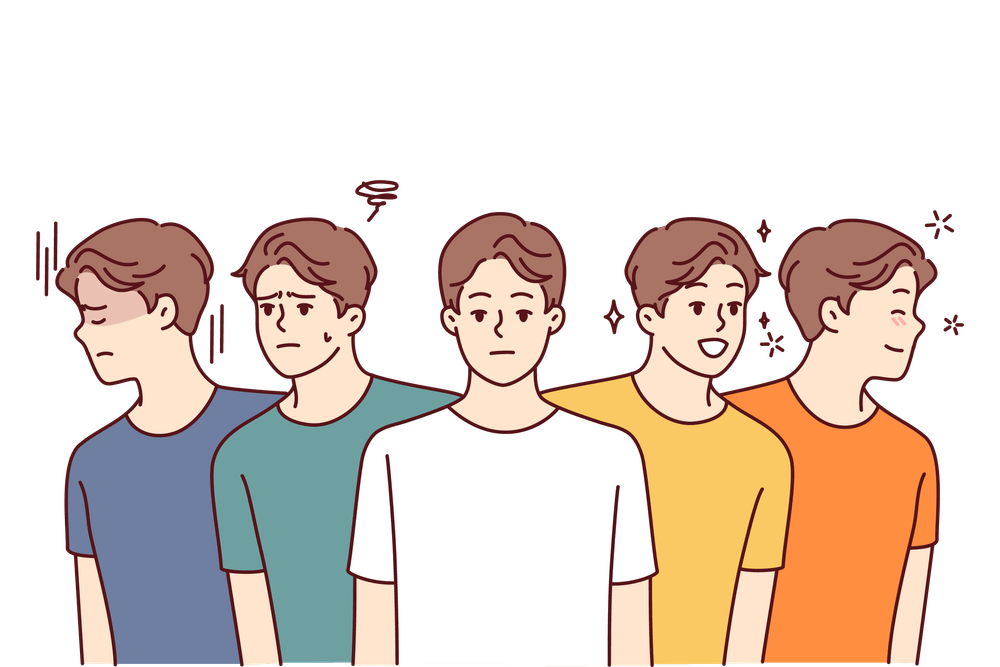
With bipolar disorder, manic episodes may include heightened irritability, intense focus on goals, and difficulty accepting feedback or slowing down.
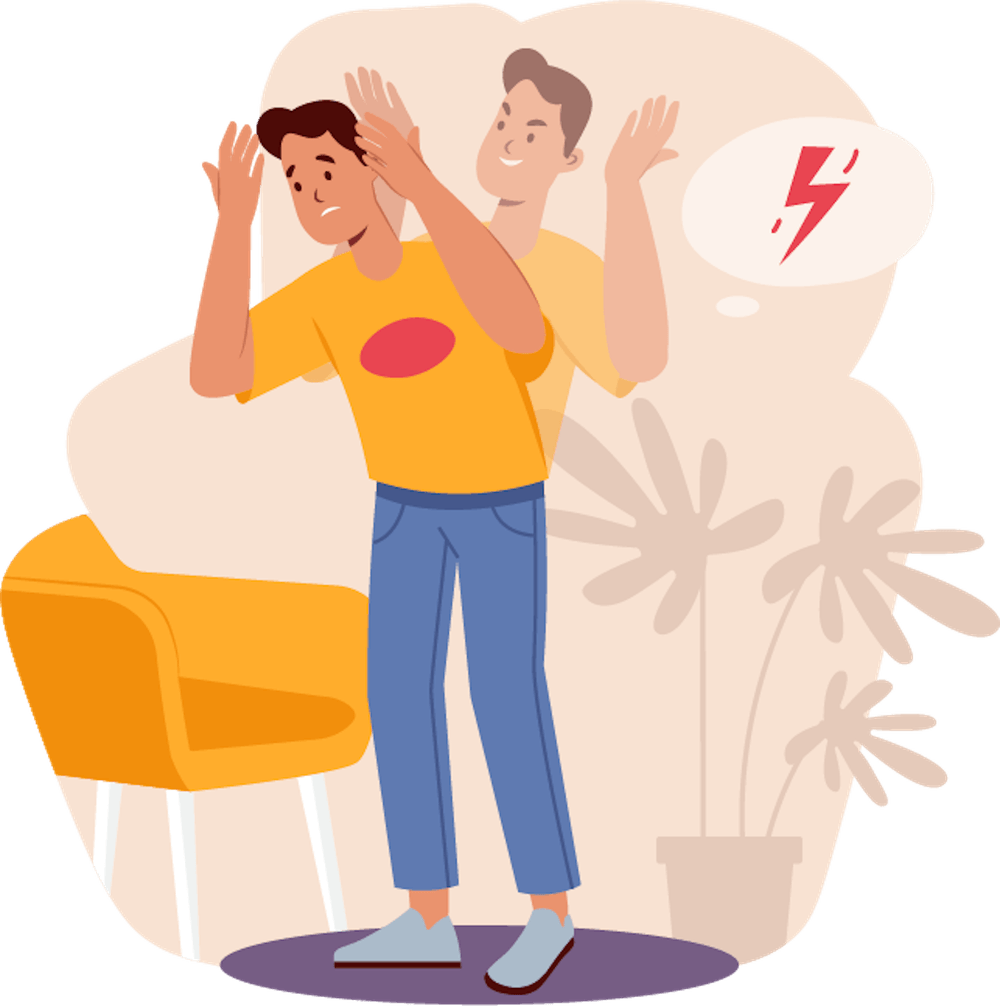
Depression in bipolar disorder may coexist with mixed features, where low mood combines with agitation or racing thoughts.
Some people with bipolar disorder may gamble impulsively during mania, chasing excitement and reward without considering long-term financial impact.

Impulsivity during bipolar hypomania may feel like confidence, but it can still disrupt routines and relationships if unchecked.

Parenting with bipolar disorder is possible and many families thrive with support and planning. The key is consistency and early intervention when symptoms shift. Keep household routines predictable with stable sleep and meal times. Build a support network for backup childcare during appointments or symptom flare ups. Create a family plan that explains in age appropriate language what mood changes look like and what helps. Protect your recovery by scheduling breaks and asking for help early rather than waiting until you are depleted. Modeling treatment adherence and emotional skills can also teach children resilience and healthy coping
In Wellington bipolar episodes can strain relationships through irritability impulsivity or withdrawal. Repair begins during stable periods with calm honest conversations. Use specific language about what changed such as less sleep faster thinking or feeling overwhelmed. Create agreements like shared spending limits during high energy phases or a signal word for stepping away from conflict. Encourage loved ones to learn early warning signs so support comes sooner. Couples therapy can help rebuild trust and set boundaries. Treating bipolar disorder as a shared challenge reduces shame and improves connection long term
We offer medication management for mental health conditions such as ADHD, anxiety, depression, insomnia, and bipolar disorder.
ADHD may create difficulty completing repetitive tasks, as the brain resists low-stimulation activities, making follow-through harder without strategies or support.
Living with anxiety can make decision-making difficult, as the fear of choosing wrong outweighs confidence, even in simple everyday situations.
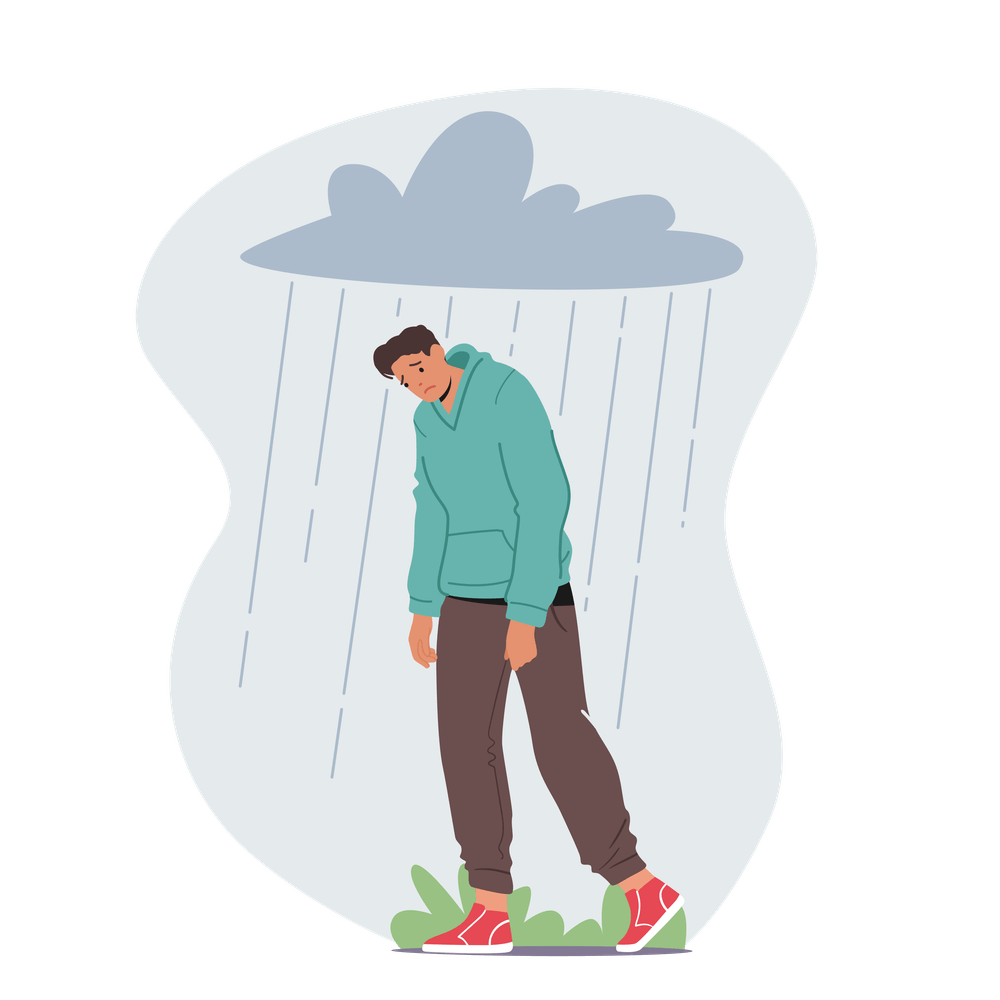
With depression, self-care can become difficult, as even eating, showering, or cleaning feels like an impossible mountain to climb.
With insomnia, the bedroom can become associated with struggle, making relaxation harder even when the environment is comfortable.
Wellington is known for busy family schedules outdoor activities and community events. For bipolar disorder, constant motion can sometimes disrupt routines that protect mood stability. Late nights early mornings and overcommitment may interfere with sleep and medication timing. Creating predictable anchors such as consistent bedtime regular meals and planned downtime helps prevent mood episodes. Balance allows people to enjoy an active lifestyle while still supporting long term emotional regulation.
Hypomania often begins with changes that seem positive. In Wellington, early signs may include sleeping less without fatigue increased energy rapid speech or taking on many new projects. Some people feel unusually confident or become impatient when interrupted. Impulsive spending or risky choices can appear. The key is recognizing shifts from your normal baseline. If elevated mood lasts several days with reduced sleep, contact your clinician early for guidance.
Structured outdoor activity can be grounding when balanced. In Wellington, time with animals walking or regular exercise can reduce stress and improve mood regulation. The goal is consistency rather than intensity. During elevated moods, overdoing activity may worsen agitation and disrupt sleep. During depression, starting with small manageable steps helps prevent avoidance. Outdoor routines are helpful additions, but they work best alongside therapy medication and stable daily rhythms.
Depression often encourages isolation even in a connected community. In Wellington, small planned engagement can prevent withdrawal from deepening. Schedule one brief interaction daily such as a call therapy session or short meet up. Pair social contact with basic self care like regular meals and steady sleep. Depression can shrink motivation, so focus on small achievable steps rather than big expectations. Professional treatment and supportive relationships make recovery more manageable.
Families can provide stability when support feels collaborative rather than controlling. In Wellington, it helps to agree on early warning signs like reduced sleep rapid speech or withdrawal. Create a shared plan for what to do when symptoms rise such as contacting a clinician reducing stressors or prioritizing rest. Offering practical help with routines and appointments is often more effective than criticism. Bipolar disorder is treatable, and teamwork strengthens recovery.
Emergency care is necessary when symptoms become unsafe or severe. In Wellington, seek urgent support if someone has suicidal thoughts hallucinations extreme agitation reckless behavior or cannot sleep for several nights with escalating energy. These may signal a serious manic or depressive episode requiring immediate evaluation. Contact a crisis line reach your psychiatrist or go to the nearest emergency department. Acting early protects safety and can shorten recovery time.
Reviewed by Mind Mechanic Clinical Oversight
Last updated: January 28, 2026
