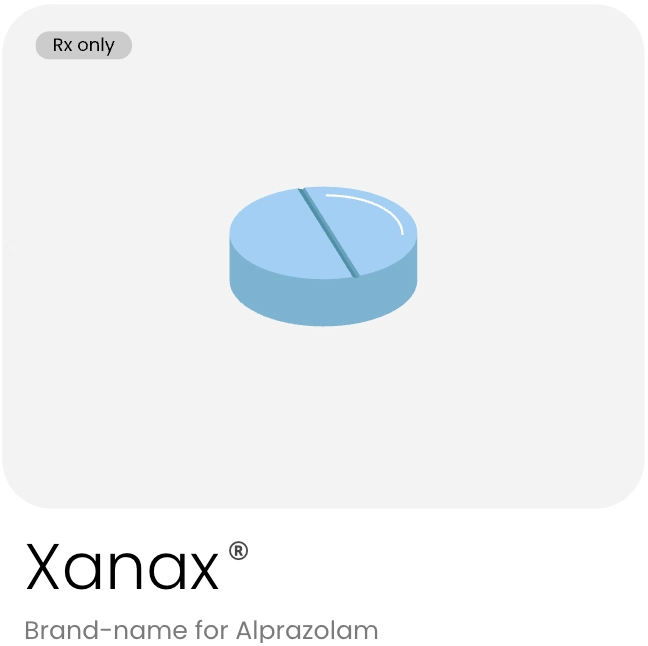
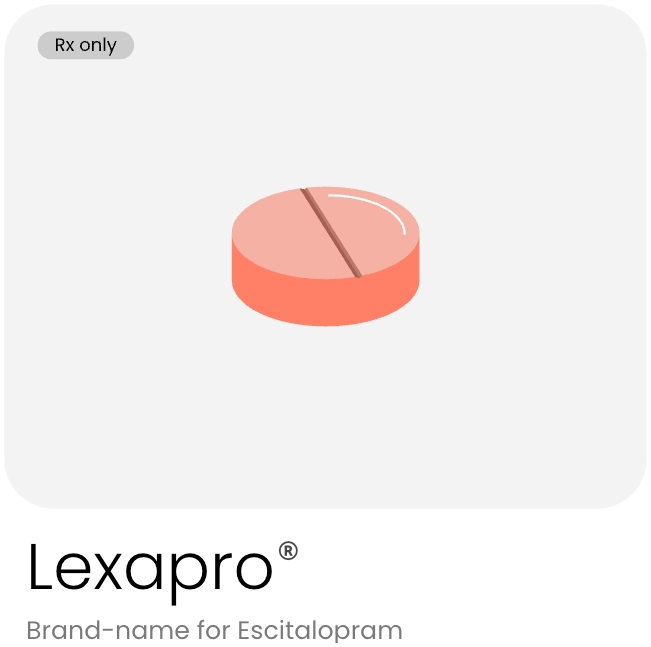
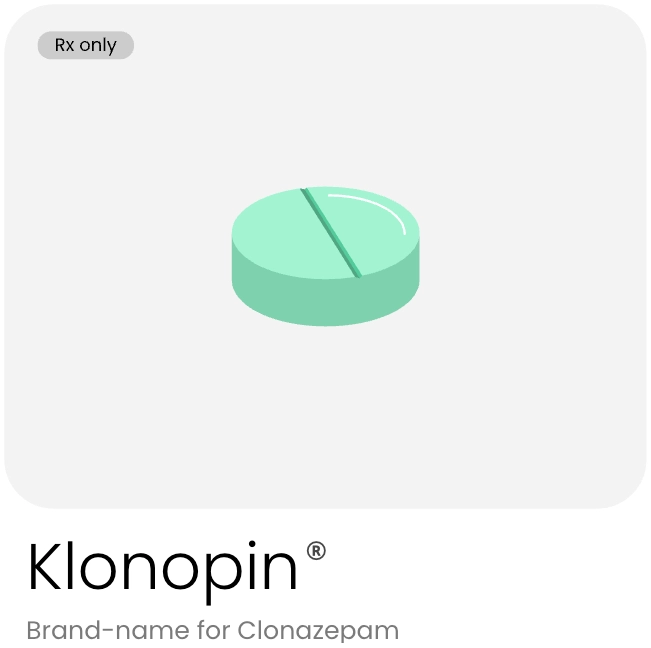
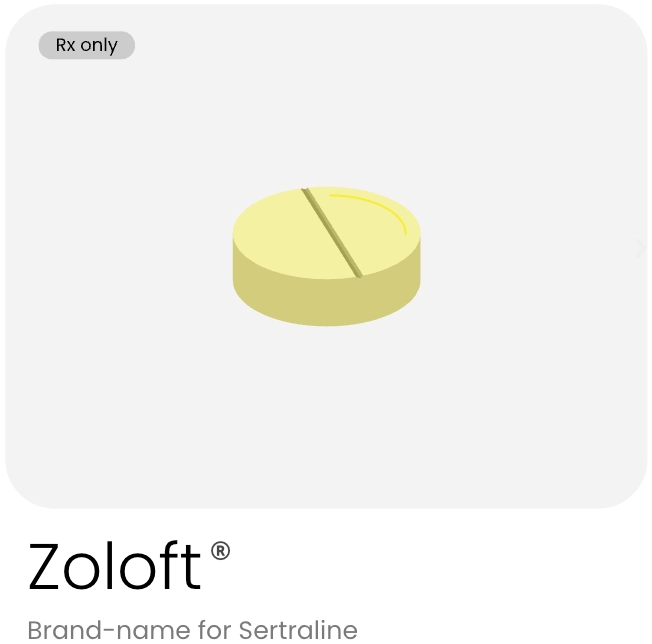
Several FDA-approved medications have been clinically proven to improve feelings of worry and nervousness. Learn more in our detailed anxiety medication guide.
Support for anxiety works best when it is consistent, personal, and easy to access. We keep costs reasonable, schedule appointments promptly, and let patients message their provider directly for guidance between visits. That direct line reduces uncertainty and keeps care aligned with changing symptoms. Traditional systems can add frustration through long waitlists and complicated phone trees, so we streamline the path to help. With close monitoring and individualized planning, we provide care that feels supportive and clear. We pair clinical guidance with simple coping tools to support daily functioning and confidence. We’re here to provide Anxiety treatment and other mental health services in Wellington, FL.
Anxiety can present itself in many different ways. There are many signs and symptoms to watch out for.
Anxiety-related excessive worry may cause repeated checking, overthinking, or reassurance seeking behaviors.
Anxiety-related restlessness often fades temporarily with distraction but returns once the mind slows down.
When anxiety is present, a fast heart rate may feel alarming despite being medically harmless.

When anxiety is present, the body may hold tension unconsciously, contributing to muscle fatigue and soreness.

With anxiety, irritability can show up as impatience, short temper, or emotional sensitivity.
Constant scrolling feeds anxiety with alarms, comparisons, and unfinished stories. Your brain treats every headline like a personal threat. Create phone boundaries. Disable non essential notifications, set app timers, and keep your phone out of reach for the first and last hour of the day. Replace scrolling with a short ritual: stretch, journal, music, or making breakfast. If you slip, do not shame yourself, simply reset. Notice how your body feels after ten minutes of scrolling versus ten minutes of walking or breathing. Awareness makes change easier.
Wellington’s active lifestyle and achievement focused culture can contribute to anxiety, especially for students, athletes, and professionals. Pressure may lead to perfectionism, rumination, and disrupted sleep. Helpful strategies include setting realistic goals, practicing good enough standards, and scheduling true recovery time. Grounding techniques reduce physical tension. Therapy supports confidence and stress regulation skills. Balanced routines allow people to enjoy ambition and activity without constant worry driving their days.
We offer medication management for mental health conditions such as ADHD, anxiety, depression, insomnia, and bipolar disorder.
ADHD is a brain that thrives with external scaffolding: timers, reminders, body-doubling, and clear deadlines, because self-directed structure doesn’t always auto-generate reliably.
Depression can make mornings feel cruel, because the day arrives with demands, and your body answers with dread, slow movement, and a wish to disappear quietly.
Mood elevation can make you more talkative, more social, and more daring, yet it can also reduce empathy, because your brain is sprinting past pauses and nuance.
Insomnia feels like your brain refuses to close its tabs, keeping ideas, worries, and sensations open, so your body rests in pieces while your mind stays online.
Wellington has an active achievement oriented culture, and anxiety often grows when people feel they must constantly perform. This can apply to academics, athletics, parenting, or career goals. Anxiety may appear as pressure to stay ahead, fear of mistakes, or difficulty relaxing even during downtime. The mind treats rest as falling behind. Learning to set realistic standards and allow recovery helps. Anxiety decreases when life includes space for being, not only doing.
In Wellington, many residents participate in competitive sports and performance environments. Anxiety in these settings often shows up as overthinking, tight muscles, sleep disruption, or fear of disappointing others. The body becomes tense before events, and confidence feels fragile. A helpful approach is focusing on process rather than outcome, practicing calm routines, and accepting nervousness as normal. Performance improves when anxiety is not treated as an enemy but as energy that can be guided.
Achievement fatigue happens when someone is always striving but never fully recovering. In Wellington, busy schedules and constant goals can create chronic mental pressure. Anxiety becomes the engine that keeps life moving, but eventually it leads to exhaustion, irritability, and emotional burnout. People may feel like they cannot stop without losing progress. Relief comes from redefining success to include rest. Sustainable routines protect mental health better than nonstop ambition.
Yes, anxiety often spreads through households quietly. In Wellington, families may feel pressure to keep up with activities, schedules, and responsibilities, which can create a tense emotional atmosphere. Anxiety may show up as impatience, snapping, or constant worry about doing enough. The solution is not more effort, but more breathing room. Simplifying commitments and creating calmer transitions helps family life feel steadier and less reactive.
Sleep anxiety often comes from a brain that will not power down. In Wellington, packed days can leave little time to process stress, so worries surface at night. People may lie awake mentally rehearsing tomorrow or replaying the day. This creates a cycle where poor sleep increases anxiety the next day. Protecting bedtime routines, reducing late stimulation, and allowing mental off ramps helps restore rest and emotional resilience.
Anxiety recovery is not a sudden switch into calm. In Wellington, long term improvement often means living with uncertainty without constant control, making choices without endless reassurance, and participating in life even when nervous. Recovery is measured by flexibility and freedom, not perfection. With consistent support and practice, anxiety becomes less dominant. The goal is not removing all discomfort, but building trust that you can handle it when it appears.
Reviewed by Mind Mechanic Clinical Oversight
Last updated: January 28, 2026
