Several FDA-approved medications have been clinically proven to improve sleep patterns. Learn more in our detailed insomnia medication guide.
Insomnia can disrupt both nights and days, which is why our mission is to offer accessible psychiatric support focused on better sleep. We provide affordable care with timely appointments and direct communication so patients can message their provider when questions arise. Instead of navigating frustrating barriers, individuals receive personalized treatment plans and close monitoring. We believe quality insomnia care should feel human, responsive, and modern. Our goal is to help you achieve restful sleep and stronger mental health with support that fits your life. We’re here to provide insomnia treatment and other mental health services in Palm Beach Gardens, FL.
Insomnia can present itself in many different ways. There are many signs and symptoms to watch out for.
Waking up tired is a hallmark of insomnia when the body spends the night in light sleep, never fully sinking into the rest it needs.
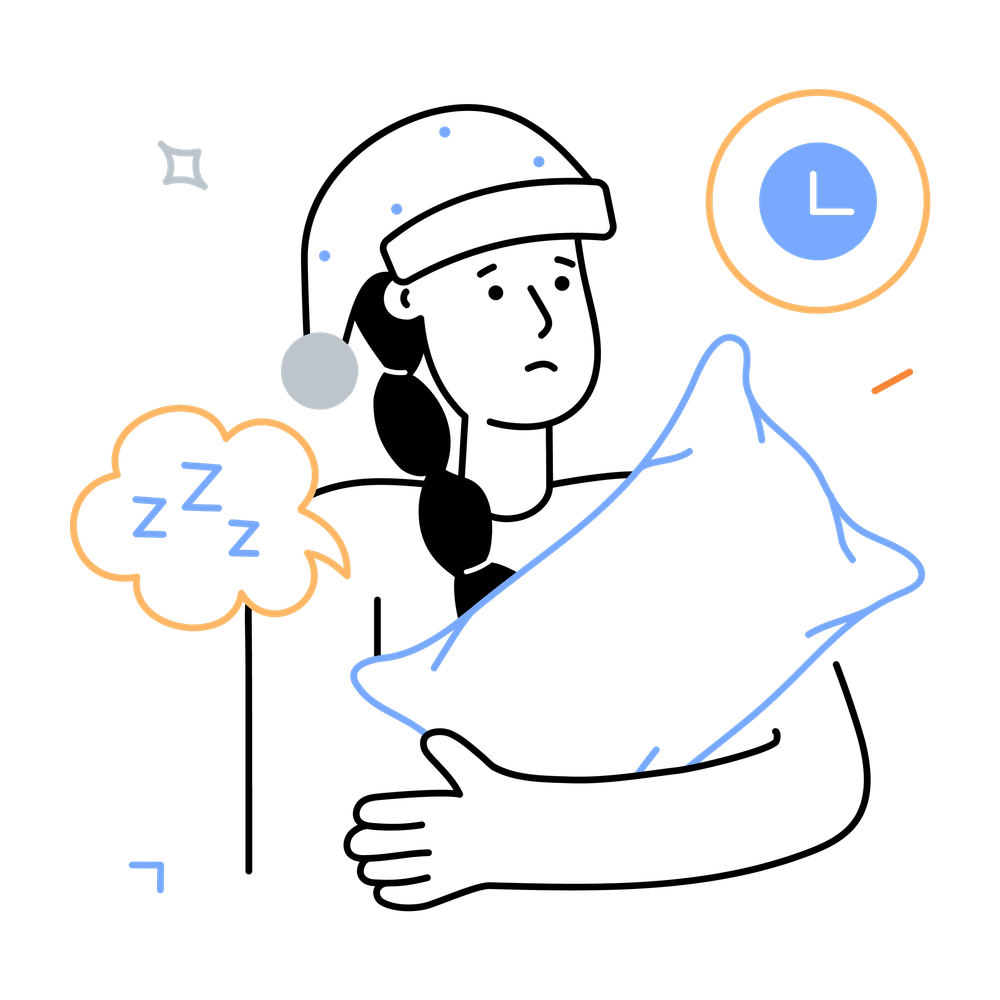
People with insomnia may notice irritability because poor sleep reduces their ability to pause, reflect, and respond calmly in stressful moments.

People with insomnia may struggle with trouble focusing during conversations, as tiredness makes it harder to follow details or stay present.
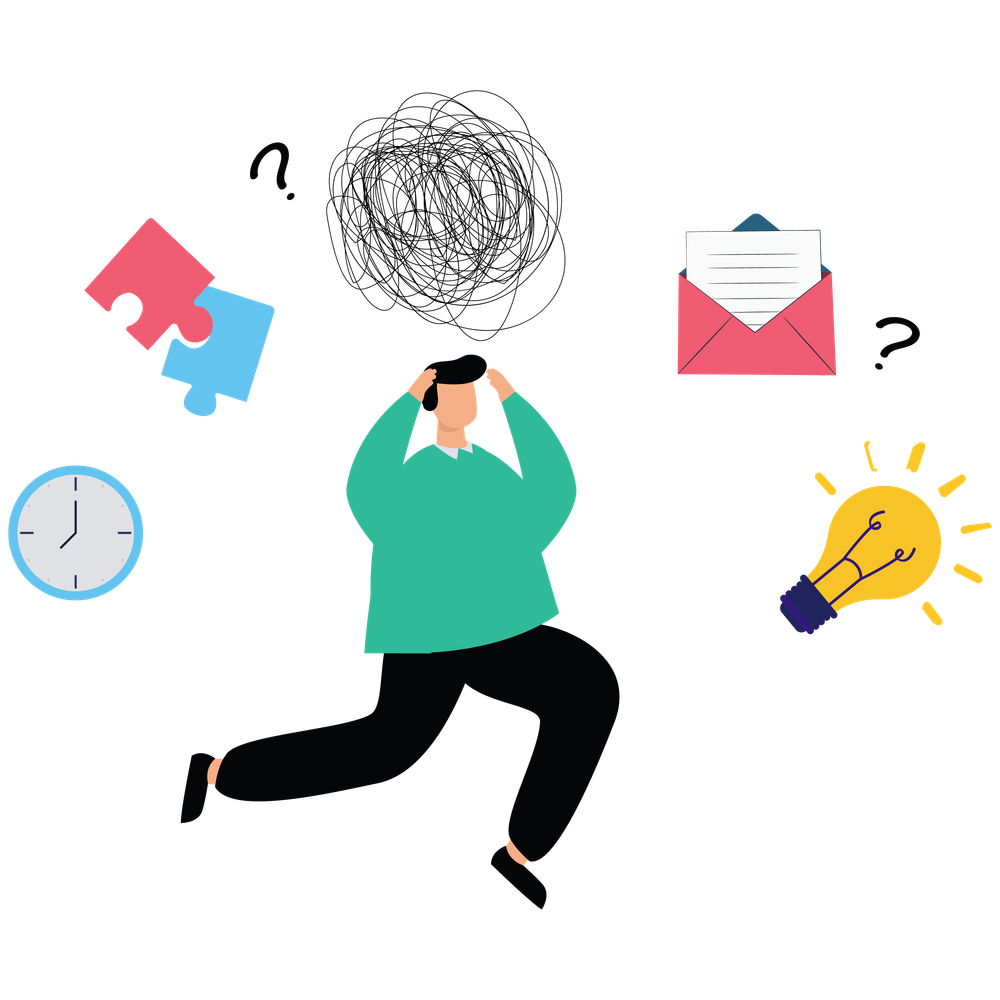
People with insomnia may make careless mistakes in conversations, forgetting details or mishearing information due to tiredness and reduced attention.

People with insomnia may experience delayed reflexes in sports or exercise, where fatigue reduces reaction time and physical precision.
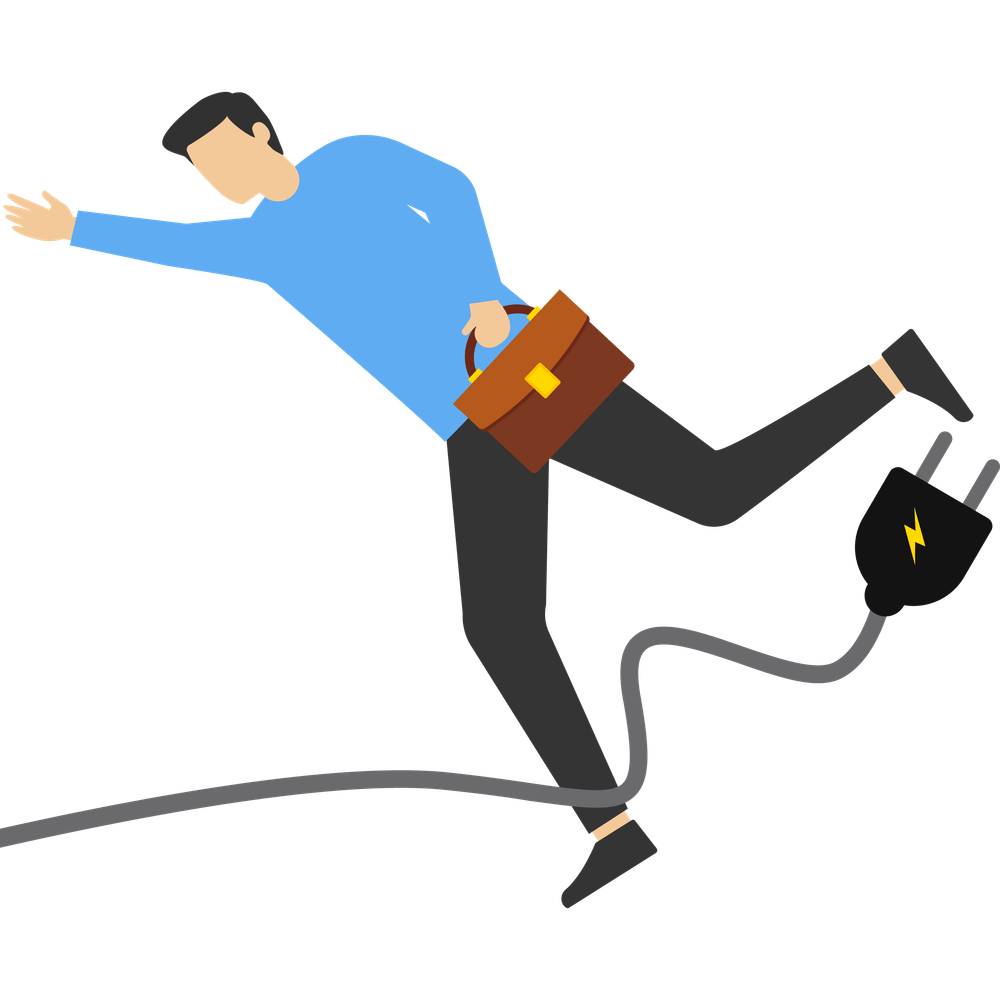
Travel insomnia is your body clock arguing with the destination. Start adjusting before the trip by shifting bedtime and wake time in small steps toward the new schedule. On arrival, use light strategically: get bright light in the morning for earlier time zones, and later light for later time zones. Eat meals on local time, it helps reset rhythms. Avoid long naps on arrival day, keep them brief if needed. Hydration and movement reduce fatigue. Jet lag improves faster when you act like a local immediately. A short melatonin discussion with a clinician can be useful for some travelers.
Palm Beach Gardens insomnia often comes from late night decision making about work plans family logistics or tomorrow worries. Create a hard rule no planning after a set time. Do a short evening brain dump with three columns what is on my mind what can wait and one next step for tomorrow. Close the page and treat it as done. At bedtime when thoughts return remind yourself you already captured them. This reduces mental looping and teaches your brain that sleep does not require solving everything. Pair this with dim lights and calm audio if helpful.
We offer medication management for mental health conditions such as ADHD, anxiety, depression, insomnia, and bipolar disorder.
With ADHD, boredom can feel unbearable, pushing the brain to seek excitement, multitask, or daydream, even when responsibilities require steady focus.
Anxiety may cause irritability, as the nervous system stays overloaded, making patience thinner and small frustrations feel much bigger.
Depression can create hopelessness, where the mind struggles to imagine relief, even though treatment and support can gradually help.
Bipolar disorder often includes periods of stability between episodes, showing that mood swings are episodic rather than constant emotional chaos.
In Palm Beach Gardens, residual stress and anticipatory worry can activate the nervous system during sleep. People may wake with racing thoughts about work, family, or tasks ahead. A useful strategy is writing down concerns earlier in the evening and setting one actionable step. Pair this with a calming routine like light stretching, reading, or gentle music. Over time, the brain learns bedtime is a safe space, making sleep onset and continuity easier.
Yes. Shifting bedtime by even an hour or two can confuse the circadian rhythm. Palm Beach Gardens residents who stay up late or vary their evening schedules often experience difficulty falling asleep. Establishing a consistent wind-down routine with dim lights, quiet activities, and low stimulation helps signal the nervous system for rest. Predictable cues, even without altering wake time, can improve sleep onset, reduce nighttime awakenings, and support a deeper, more restorative sleep cycle.
Natural light helps regulate circadian rhythm. Exposure to sunlight in the morning signals daytime, which in turn cues nighttime sleepiness. Palm Beach Gardens residents who spend mornings outdoors or near windows often experience faster sleep onset and longer sleep duration. Minimizing bright light and screens in the evening reinforces this rhythm. Even small adjustments, like opening curtains or taking short walks outdoors, support sleep timing and strengthen the body’s natural inclination to rest at night.
Yes. Bedroom temperature, bedding, noise, and lighting all influence sleep. Palm Beach Gardens residents may wake frequently if the room is too warm, sheets are heavy, or sudden sounds occur. Simple interventions like breathable bedding, stable room temperature, blackout curtains, and subtle white noise can reduce micro-awakenings. These environmental adjustments help the nervous system recognize bed as a safe space, supporting continuous and restorative sleep without relying solely on medications or strict behavioral protocols.
Yes. Preoccupation with falling asleep or calculating lost sleep can heighten arousal and make sleep harder. Residents may feel anxious at bedtime, which reinforces the insomnia cycle. Strategies include removing clock checking, limiting mental calculations, and accepting wakefulness as neutral. Engaging in calming, low-stimulation activities like reading or gentle stretches reduces tension. Over time, the nervous system learns that bedtime is a safe, nonjudgmental environment, reducing anticipatory stress and improving sleep onset.
Activities like screen use, heavy meals, or vigorous exercise near bedtime can delay sleep onset. Palm Beach Gardens residents may unintentionally signal daytime activity to the brain, keeping it alert. Swapping late stimulation for dim lighting, quiet music, reading, or stretching supports the body’s natural readiness for sleep. Over time, consistent pre-sleep behavior teaches the nervous system that nighttime is meant for rest, shortening sleep latency and reducing nighttime awakenings while promoting restorative sleep.
Reviewed by Mind Mechanic Clinical Oversight
Last updated: January 28, 2026

