Several FDA-approved medications have been clinically proven to improve feelings of worry and nervousness. Learn more in our detailed anxiety medication guide.
Our mission is to provide anxiety care that is responsive, personal, and barrier free from the start. We make it easy to schedule timely appointments and to message your provider directly, because anxiety often brings urgent concerns. Our team monitors your progress closely, listens to your feedback, and adjusts treatment thoughtfully to match your needs. We avoid long delays and disconnected communication common in traditional systems. Our goal is to offer a dependable support structure that helps you manage worry, regain confidence, and feel guided through each stage of care. We’re here to provide Anxiety treatment and other mental health services in Delray Beach, FL.
Anxiety can present itself in many different ways. There are many signs and symptoms to watch out for.
Anxiety can cause excessive worry by exaggerating possible outcomes, making unlikely problems feel immediate and unavoidable.
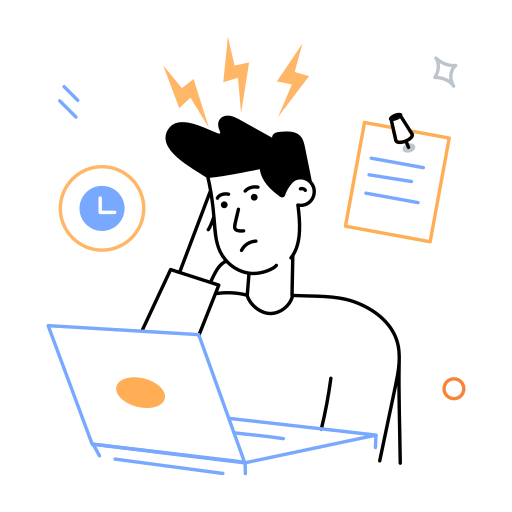
Anxiety-driven restlessness often reflects the body staying prepared for danger, even when no immediate threat exists.
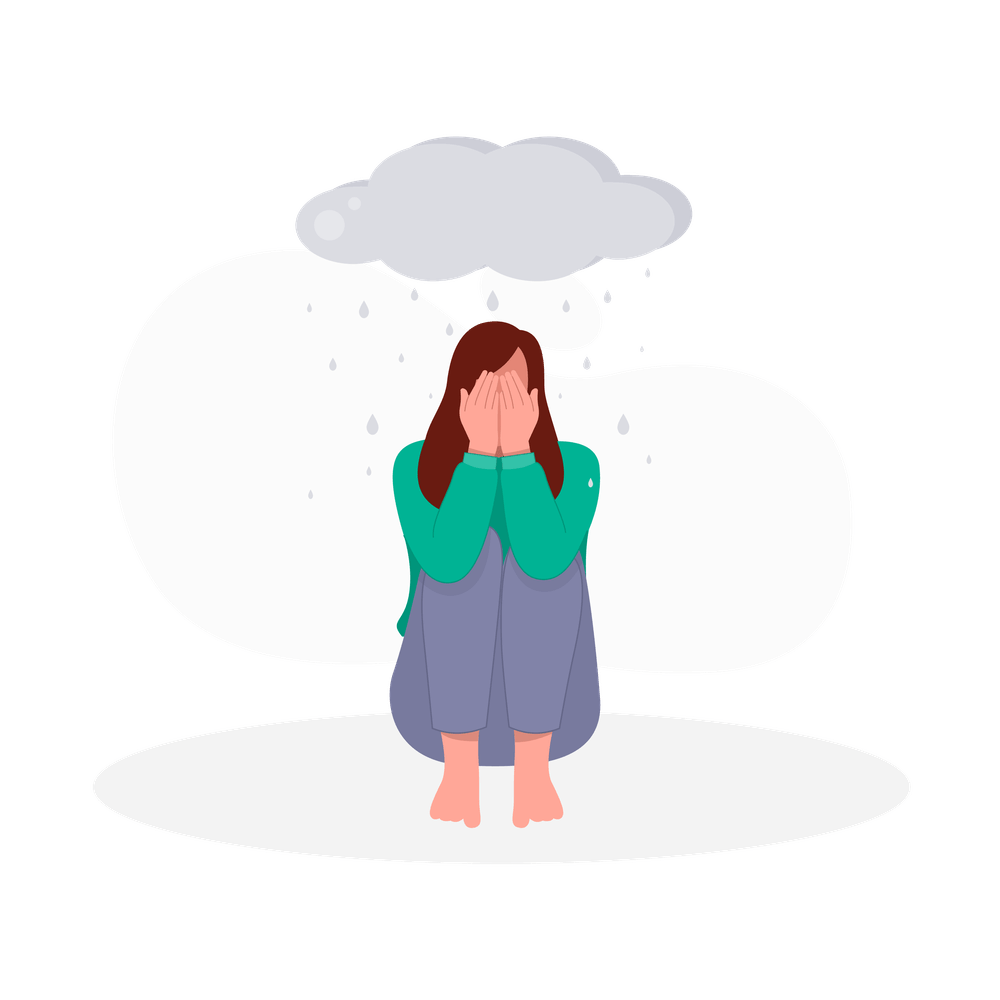
Anxiety-driven fast heart rate can feel intense, especially when it happens during rest or without physical exertion.
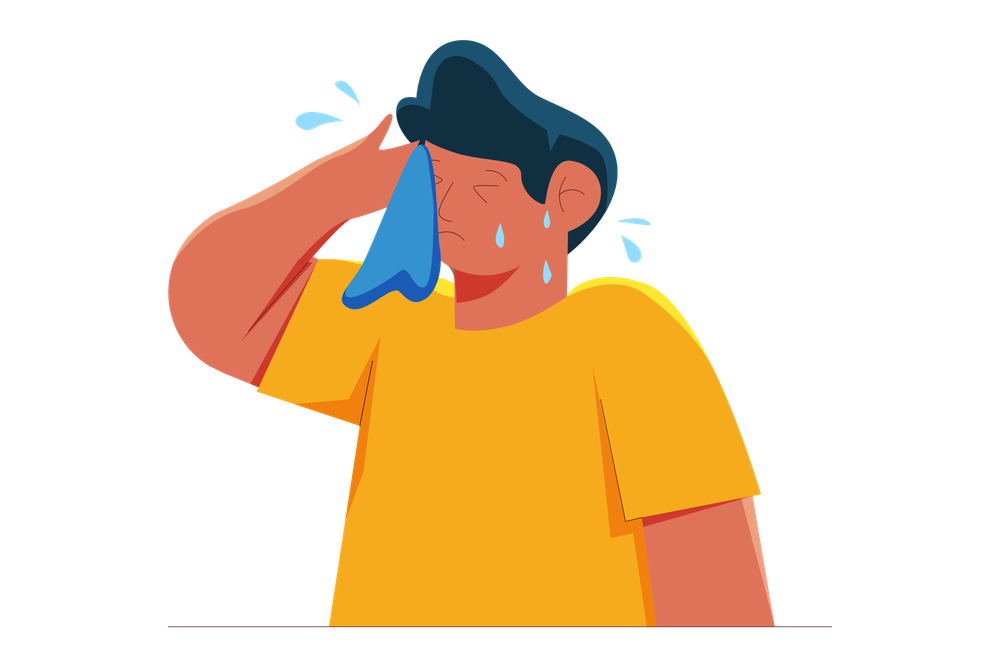
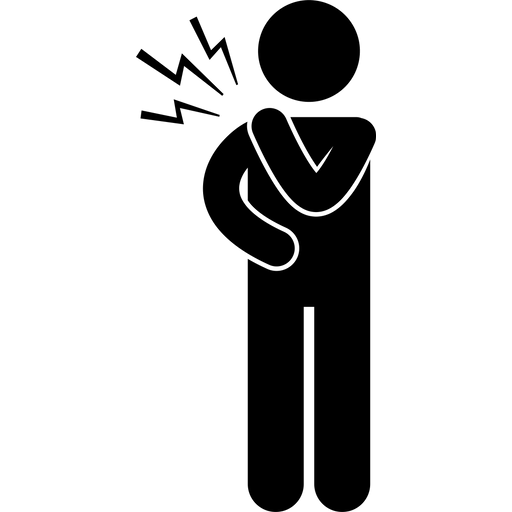
Anxiety-driven muscle soreness reflects the body preparing for danger repeatedly, even when no physical threat is present.
Anxiety may cause irritability by lowering tolerance for stress, noise, or interruptions throughout the day.
People pleasing can fuel anxiety by keeping you on constant approval duty. Boundaries reduce that load. Start with small phrases like I cannot do that today or Let me get back to you. Say it once, then stop talking. Expect discomfort and let it be there. You are training your body to tolerate the tension of saying no. Plan what you will do after you set a boundary, take a walk, breathe, or text a supportive friend. Over time, anxiety drops because your schedule and energy reflect your actual limits.
Delray Beach has a lively social scene that can be exciting but overwhelming for anxiety. Busy events, nightlife, and constant activity may disrupt sleep and increase nervous system arousal. Enjoying the city is possible with boundaries, such as choosing earlier plans, limiting alcohol, and scheduling quiet recovery time afterward. Grounding skills like slow exhale breathing help in crowded settings. Therapy can reduce social worry and build confidence. Balance allows connection without burnout.
We offer medication management for mental health conditions such as ADHD, anxiety, depression, insomnia, and bipolar disorder.
ADHD is productivity that spikes in bursts, like lightning, producing amazing work in a short storm, then leaving you drained and wondering why consistency feels impossible.
Depression often bends memory, spotlighting regrets while hiding achievements, so your past looks darker than it was, and your mind treats hope like a risky illusion.
The condition can be invisible between episodes, which can confuse others; stability may look ordinary from outside, yet requires careful attention to sleep, stress, and treatment.
Insomnia can make sleep feel like a shy animal: the harder you chase it, the farther it retreats, until you learn to sit quietly and let it approach.
Delray Beach is lively and full of restaurants events and activity, but anxiety does not disappear just because life looks fun. Some people feel pressure to be present, outgoing, or constantly enjoying themselves. That internal performance stress can activate worry and tension. Anxiety may show up afterward as exhaustion or racing thoughts. Learning to pace social plans, schedule quiet recovery time, and allow imperfect participation helps reduce anxiety without withdrawing from life.
Overstimulation anxiety happens when noise crowds and constant input overwhelm the nervous system. In Delray Beach, busy streets festivals or packed weekends can trigger restlessness irritability or the urge to escape. This is not weakness, it is the body reacting to sensory overload. Helpful strategies include taking short breaks stepping outside focusing on slow exhale breathing and limiting nonstop plans. Therapy can help people build tolerance and confidence in stimulating environments.
Anxiety often increases during transitions, even positive ones. In Delray Beach, changes like moving jobs starting relationships or shifting routines can create a sense of uncertainty that the brain interprets as danger. People may overplan or seek constant reassurance. A healthier approach is practicing flexibility, focusing on what is controllable, and building calming routines. Therapy teaches tools for tolerating uncertainty so change feels manageable rather than threatening.
Many people find that nighttime is when anxiety becomes loudest. In Delray Beach, the day may feel busy but manageable, yet once things quiet down, worries surface. The brain starts replaying conversations or planning tomorrow. This can lead to difficulty falling asleep or waking with tension. A consistent wind down routine, limiting screens, and writing thoughts down before bed can help. Therapy supports breaking nighttime rumination cycles.
Social comparison anxiety happens when people measure themselves against others and feel they are falling behind. In Delray Beach, visible lifestyle culture can sometimes trigger worry about appearance success or belonging. This anxiety may lead to self criticism and constant mental checking. Reducing social media exposure and focusing on personal values helps shift attention inward. Therapy can support healthier self worth and reduce the pressure to perform socially.
Effective anxiety care is not about eliminating every uncomfortable feeling. In Delray Beach, treatment often focuses on building skills to face fears gradually, reduce avoidance, and respond calmly to physical stress signals. Therapy teaches coping strategies for worry cycles and nervous system regulation. Medication may help some individuals when symptoms are severe. The goal is confidence and freedom, so anxiety no longer controls daily choices or limits life.
Reviewed by Mind Mechanic Clinical Oversight
Last updated: January 28, 2026
