Several FDA-approved medications have been clinically proven to improve sleep patterns. Learn more in our detailed insomnia medication guide.

We believe no one should have to wait months for help with insomnia. Our mission is to provide accessible psychiatric care that focuses on improving sleep and overall well-being. Patients receive timely appointments, personalized treatment plans, and direct messaging access to their provider for ongoing support. Traditional systems often create distance between patients and care, but we prioritize connection and responsiveness. By addressing insomnia with compassion and evidence-based strategies, we help individuals regain restorative sleep and feel supported throughout their mental health journey. We’re here to provide insomnia treatment and other mental health services in Southwest Ranches, FL.
Insomnia can present itself in many different ways. There are many signs and symptoms to watch out for.
Waking up tired is often linked to insomnia-related stress, where worry about sleep keeps the brain engaged instead of relaxing into deeper stages.
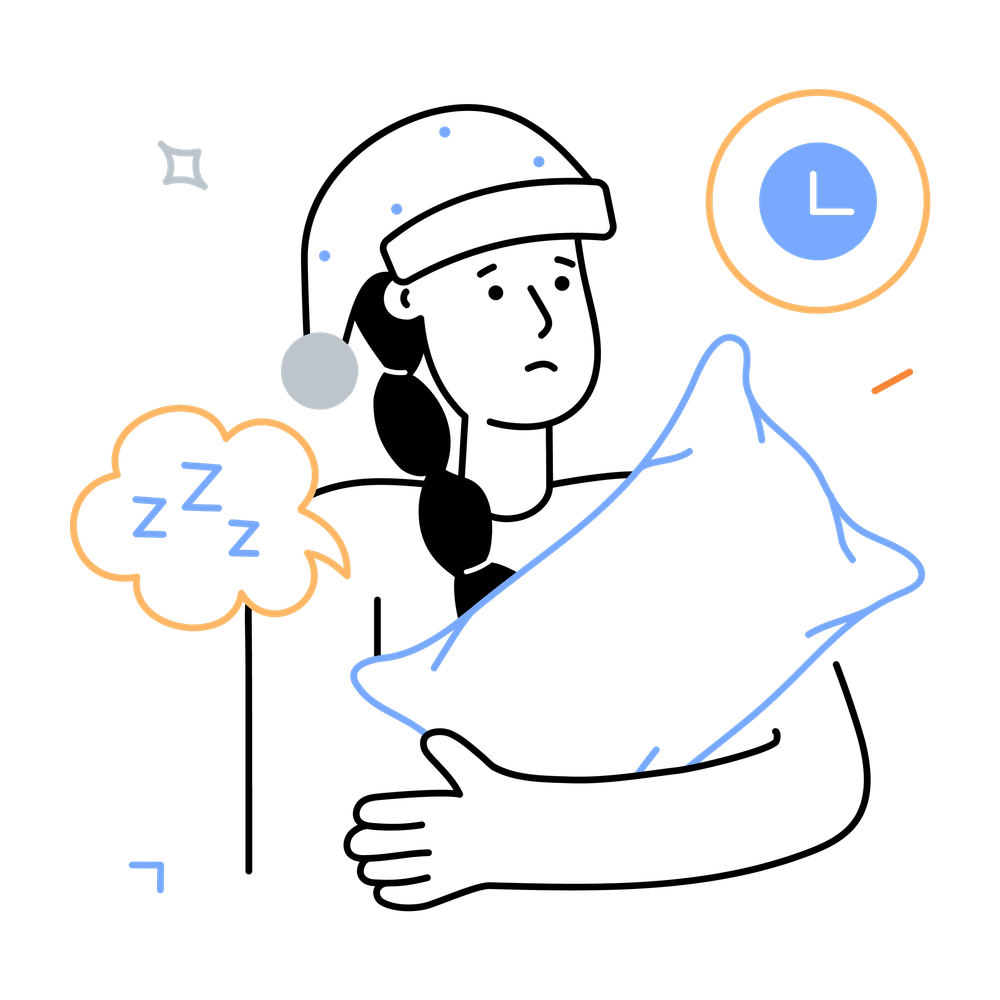
Irritability linked to insomnia can affect relationships, since tiredness makes communication harder and patience thinner throughout the day.

Trouble focusing linked to insomnia can feel frustrating, since the mind wanders easily even when motivation is strong and effort is sincere.

Careless mistakes linked to insomnia can feel frustrating, since even simple responsibilities become harder when the mind is running on limited rest.

Delayed reflexes linked to insomnia can feel concerning, since simple tasks may require more effort and quick reactions become harder to access.
Sleep likes a cool stage. When the room is too warm, your body struggles to lower core temperature, which delays sleep and increases night waking. Experiment with small changes: lower the thermostat, use breathable bedding, or take a warm shower an hour before bed so your body cools afterward. If you wake sweaty, keep a lighter blanket available instead of turning on bright lights. Fans can help for both temperature and gentle background sound. Tiny adjustments of one or two degrees can make a surprising difference over a week. Aim for cool feet and a slightly cooler core temperature.
Southwest Ranches offers calm nights, but insomnia can make quiet feel loud. Without distractions, thoughts can echo. Gentle background sound like a fan or white noise can reduce hyper awareness. Create small structure before bed with predictable steps and avoid long periods of rumination in silence. Short outdoor evening walks can help discharge stress. Quiet becomes restorative when paired with routine and a sense of safety rather than endless mental looping.
We offer medication management for mental health conditions such as ADHD, anxiety, depression, insomnia, and bipolar disorder.
ADHD sometimes feels like having a powerful engine with unreliable brakes, leading to quick reactions, spontaneous choices, and challenges slowing down when needed.
For some individuals, anxiety appears as restlessness, difficulty concentrating, and a lingering unease that remains even during peaceful situations.
For some individuals, depression appears as emotional numbness, where happiness and excitement feel muted, replaced by a hollow sense of distance.
For some people, bipolar disorder includes hypomania, a milder elevated state with increased productivity, talkativeness, and restlessness that may still cause disruption.
Even in calm environments, the brain can become hyper-aware when the usual distractions are missing. Southwest Ranches residents may lie awake noticing every sound or sensation. Creating a subtle background noise such as a fan or white noise can help the brain relax. Pair that with a brief bedtime routine of stretching, dim lighting, or reading. Over time, the nervous system learns that quiet signals rest instead of alertness, improving both sleep onset and continuity.
Yes. Even short naps can reduce sleep pressure at night. Southwest Ranches residents may feel tired in the afternoon and nap, then struggle to fall asleep later. To avoid this, keep naps brief and early, ideally under twenty minutes before mid-afternoon. If longer rest is needed, split it into micro breaks with gentle movement rather than lying down. The goal is to preserve enough drive for consolidated nighttime sleep without adding extra daytime fatigue.
Stress triggers arousal that can linger into bedtime. Southwest Ranches residents balancing multiple responsibilities may find the mind continues problem-solving at night. A helpful approach is a brief decompression period before bed, writing down concerns, or planning tomorrow earlier. Low-stimulation activities like reading or gentle stretching can signal the body to downshift. Avoid screens and emotionally activating tasks. Over time, separating daytime stress from night routines improves the likelihood of falling asleep and reduces middle-of-the-night wakeups.
Absolutely. Even minor temperature changes can impact the body’s ability to maintain deep sleep. Southwest Ranches residents might notice waking too early or feeling restless if the room is too warm. Using breathable bedding, adjusting thermostat settings, and cooling the body with a warm shower an hour before bed can help. Small environmental tweaks often reduce awakenings and make sleep more restorative without relying on medications or extreme interventions.
Yes. Exposure to blue light and stimulating content signals daytime to the brain, delaying melatonin production. Southwest Ranches residents using phones or laptops before bed may experience longer sleep onset and lighter sleep. Limiting screens, dimming lights, and establishing a wind-down routine can help. Swap engaging media for calming activities such as reading, listening to quiet music, or meditation. Over weeks, these changes can recalibrate the nervous system and promote more consistent, restorative sleep cycles.
Shifting bedtime or wake time disrupts the circadian rhythm, making it harder to fall asleep or stay asleep. Southwest Ranches residents who sleep in on weekends or stay up late irregularly often experience delayed sleep onset. Maintaining a consistent wake time every day, even after poor nights, helps anchor the circadian clock. Pair this with morning light exposure and a predictable nighttime routine. Regularity teaches the brain when it is safe to sleep, gradually reducing insomnia symptoms.
Reviewed by Mind Mechanic Clinical Oversight
Last updated: January 28, 2026

