Several FDA-approved medications have been clinically proven to improve feelings of sadness. Learn more in our detailed depression medication guide.
Our mission is to help individuals struggling with depression receive care that is affordable, timely, and supportive. Depression can affect every part of life, so we provide prompt appointments and direct communication with your provider. Patients can message easily, ensuring they feel connected and monitored throughout treatment. We work to eliminate common barriers in traditional systems, such as long delays and limited access. Our goal is to create a compassionate environment where recovery feels possible and progress is supported. We’re here to provide Depression treatment and other mental health services in Southwest Ranches, FL.
Depression can present itself in many different ways. There are many signs and symptoms to watch out for.
Depression and anxiety often intertwine, and hopelessness can grow when worry convinces someone that peace and stability are no longer possible.
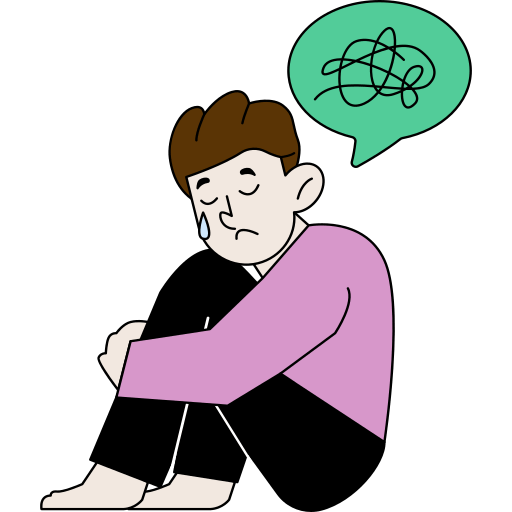
Depression can create low energy by dulling focus, so tasks take longer and require more mental effort than they normally would.
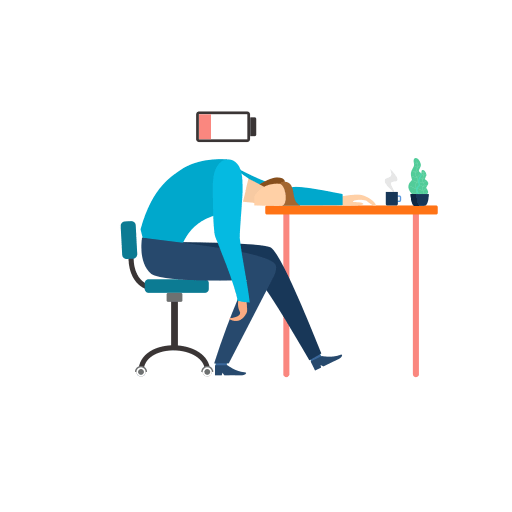
Depression can cause sleep changes that lead to frequent nighttime waking, where rest becomes fragmented and mornings feel especially difficult.
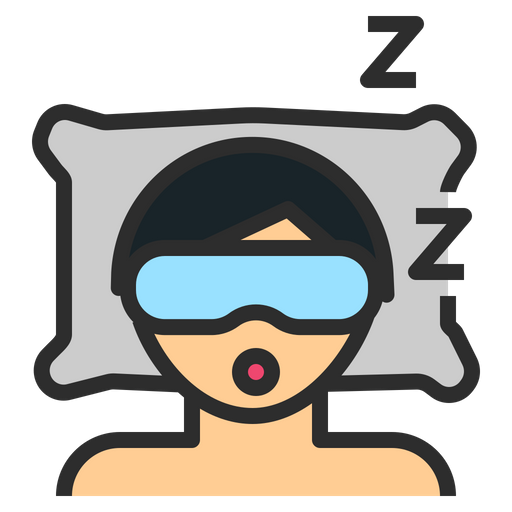
Depression can create difficulty focusing during conversations, where people may feel detached or struggle to follow what others are saying.

Irritability may occur in depression when concentration is poor, and interruptions feel overwhelming because the mind is already struggling to function.

Brain fog in depression can make reading, decision making, and memory feel harder. Instead of forcing productivity, simplify your mental environment. Use external supports: checklists, reminders, and one task at a time. Reduce multitasking and shorten work sessions. Start with the easiest step to build momentum. Hydration, protein, and brief movement often sharpen attention. If fog worsens with poor sleep or medication changes, discuss it clinically. The goal is gentle clarity, not perfect performance. Fog often lifts gradually as mood improves
Southwest Ranches offers space and calm, but depression can deepen when isolation grows. Quiet environments may make internal heaviness feel louder. Planned structure helps: set daily anchors like morning light, movement, and one small task. Connection is also important, even if it is brief. Depression often convinces people they should disappear, but small contact prevents loneliness from hardening. Therapy can support coping tools and emotional regulation. Recovery comes from gentle engagement, not retreating further inward.
We offer medication management for mental health conditions such as ADHD, anxiety, depression, insomnia, and bipolar disorder.
It often affects organization, turning simple steps into chaos: scattered notes, forgotten passwords, cluttered spaces, and plans that exist mainly in your head.
It can produce real physical sensations, like dizziness, tingling, sweating, and nausea, which then become new “evidence” that something bad is happening, reinforcing the cycle.
Bipolar disorder can distort perspective during episodes, making problems seem solvable overnight in highs or impossible to face in lows, even when outside circumstances haven’t changed much.
Insomnia can make nights feel lonely, with silence filled by racing thoughts and the frustration of not being able to rest naturally.
Southwest Ranches offers space and calm, but depression can make quiet feel heavy instead of peaceful. Without constant distraction, low mood and negative thoughts may feel louder. Isolation can also grow more easily when homes are spread out and routines become solitary. A helpful approach is creating intentional structure, daily anchors like morning light, movement, and brief connection. Depression improves when quiet becomes restorative rather than a place where withdrawal deepens.
Depression often makes simple responsibilities feel strangely impossible. In Southwest Ranches, someone may look stable externally while struggling to start basic tasks like cooking, cleaning, or replying to messages. This is not laziness, it is a symptom of reduced initiation and reward chemistry. The best strategy is micro action, do the smallest step, then pause. Momentum builds gradually. Therapy helps reduce shame and supports realistic planning so responsibilities feel less overwhelming.
Yes, many people experience depression as feeling nothing rather than feeling sad. In Southwest Ranches, emotional numbness can make relationships, hobbies, and even nature feel distant. This happens when the brain’s reward system slows down. The goal is gentle reengagement without expecting instant pleasure. Short exposure to meaningful activities, music, walking outside, brief conversation, can help reconnect. Therapy supports this process and reduces hopeless beliefs that numbness will last forever.
Depression often convinces people they are a burden or that others would not understand. In Southwest Ranches, withdrawal may happen quietly because distance and privacy make isolation easier. Canceling plans and staying home can feel safer, but it often deepens depression. A helpful goal is maintaining small predictable contact, a text, short call, or appointment. Connection does not need to be intense to be effective. Recovery often begins with manageable social bridges.
Depression frequently disrupts sleep, either through oversleeping or insomnia. In Southwest Ranches, quiet evenings can become filled with rumination, making it hard to power down. Poor sleep then worsens mood and energy the next day. Protecting a consistent wake time, limiting long naps, and building a calming bedtime routine helps. Therapy can support nighttime thought management. Sleep improves when it becomes structured and predictable rather than drifting with depression.
Long term improvement is not about never feeling low again. In Southwest Ranches, recovery often looks like life slowly expanding, routines returning, connection increasing, and avoidance shrinking. Progress is measured by flexibility and engagement, not constant happiness. Setbacks are part of healing, not proof of failure. Therapy and support provide tools, while daily structure rebuilds stability. Over time, depression becomes less central and more manageable.
Reviewed by Mind Mechanic Clinical Oversight
Last updated: January 28, 2026

