Several FDA-approved medications have been clinically proven to improve feelings of sadness. Learn more in our detailed depression medication guide.
We believe depression care should be simple to access and deeply personal. Our mission is to offer affordable mental health services with timely appointments so patients can start treatment without delay. Depression often requires consistent support, which is why we encourage direct messaging with your provider for ongoing guidance. We aim to remove obstacles like endless phone calls and long waitlists. With personalized care plans and attentive monitoring, we help patients find stability, relief, and a renewed path forward. We’re here to provide Depression treatment and other mental health services in Plantation, FL.
Depression can present itself in many different ways. There are many signs and symptoms to watch out for.
Feeling hopeless may reflect depression’s weight, especially when anxiety adds constant tension, making recovery seem far away and hard to believe in.
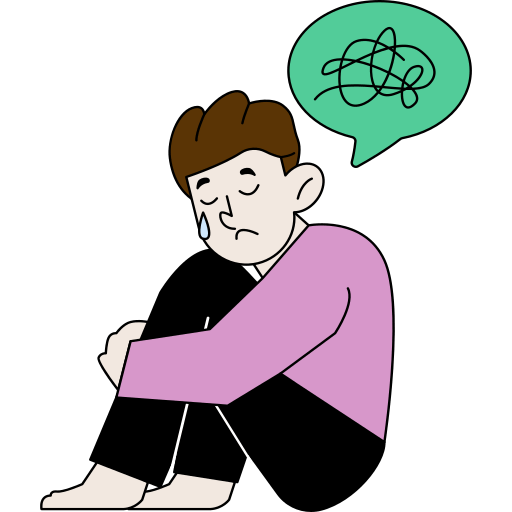
Low energy may signal depression when getting out of bed feels difficult and even small decisions seem to take extra strength.
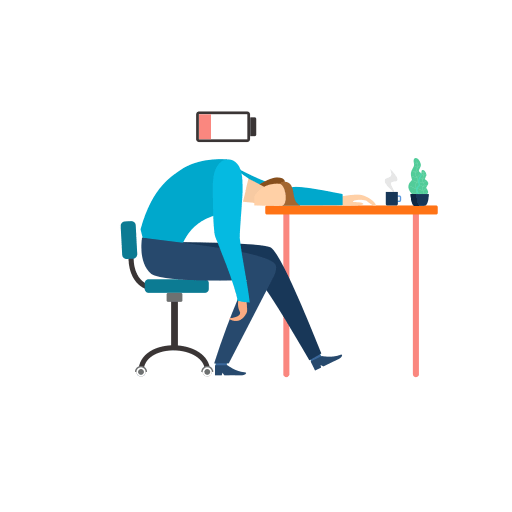
Sleep changes are common when depression increases stress hormones, leaving the body tense and unable to fully relax at bedtime.
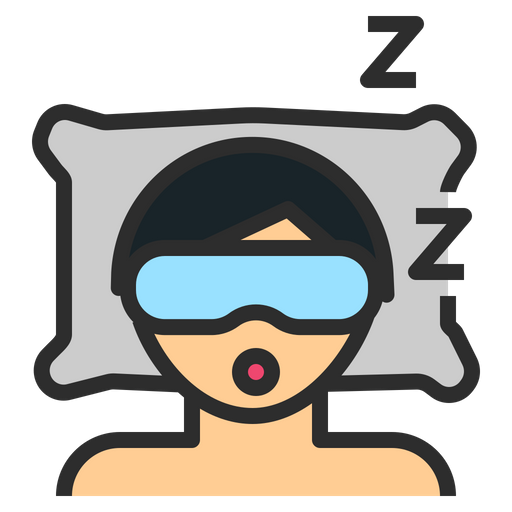
Difficulty focusing is sometimes linked to depression because emotional pain distracts the mind, pulling attention away from the present moment.

Depression can increase irritability by narrowing perspective, making problems feel urgent and leaving little flexibility for compromise or calm responses.
Depression can feel physical, like limbs are heavy and movement is slow. Treat the body gently and aim for micro movement. Stretch in bed, do a slow shoulder roll, stand for one minute, then sit again. Warmth can help, a heated blanket, warm shower, or tea. Short walks often reduce heaviness more than expected because circulation and sunlight shift chemistry. Think of movement as medicine in tiny doses. You are not training for fitness, you are teaching your body it can still move through the day
Depression often shrinks social life, and in Plantation, withdrawal can happen quietly even in supportive neighborhoods. A helpful goal is maintaining small predictable connection rather than waiting to feel better first. Send a short message, attend one appointment, or meet briefly with someone trusted. Connection reminds the nervous system that support exists. Pair this with basic self care like regular meals and consistent sleep. Therapy helps reduce shame and avoidance. Depression improves when life expands gradually instead of narrowing.
We offer medication management for mental health conditions such as ADHD, anxiety, depression, insomnia, and bipolar disorder.
ADHD can amplify emotional reactivity, where frustration spikes quickly, criticism hits harder, and mood shifts feel sudden, even if they pass just as fast.
Anxiety is often future-focused, pulling you away from the present with endless planning, checking, and second-guessing, as if preparedness could eliminate all risk.
For some, bipolar disorder feels like living with two tempos: quickened thoughts, bold choices, and social intensity, then quiet weeks marked by low energy and narrow emotional range.
Insomnia isn’t always about stress; it can be linked to anxiety, depression, medical issues, or disrupted sleep rhythms over time.
In Plantation, depression often feels like life has no forward pull. People may still complete responsibilities, but internally everything feels pointless or blurred. This loss of direction is common because depression reduces motivation and meaning, not just happiness. A helpful approach is values based action, choosing one small step aligned with what matters, even if emotion is absent. Therapy helps clarify purpose and reduces hopeless thinking. Direction often returns gradually through repeated small engagement.
Depression can disrupt appetite in opposite ways. Some Plantation residents lose interest in food, while others crave comfort eating for temporary relief. Both patterns can affect energy and mood stability. The goal is simple steady nourishment, not perfection. Easy protein options, hydration, and small meals help support the body when motivation is low. Eating regularly also protects sleep and concentration. Therapy can address emotional eating or avoidance patterns so recovery includes both mind and body support.
Yes, many people with depression describe time moving strangely. In Plantation, days may drag slowly, or weeks may disappear in a fog. Depression narrows attention and reduces novelty, so life feels repetitive and heavy. This can increase hopelessness, as if nothing will change. Creating small daily markers helps, a morning routine, brief outing, or planned call. These moments give the day shape. Therapy supports rebuilding structure so time feels lived rather than endured.
Depression often carries shame and self isolation. In Plantation, someone may believe they should handle things alone or fear being a burden. This keeps support out of reach and deepens withdrawal. Asking for help is not weakness, it is a recovery skill. Start small by sharing one honest sentence with someone trusted or scheduling a professional appointment. Support reduces the emotional weight. Therapy helps people challenge the belief that struggle must stay private.
Depression is often felt in the body. Plantation residents may notice headaches, stomach tightness, muscle aches, or a heavy sluggish feeling. These symptoms can be confusing because they seem unrelated to mood. Depression affects the nervous system and stress hormones, so physical sensations are common. Gentle movement, hydration, and consistent sleep can help. If symptoms persist, medical evaluation is important. Therapy also supports mind body awareness so discomfort feels less alarming.
Recovery is not a sudden return to happiness. In Plantation, sustainable improvement often looks like small steady expansion, reconnecting with routines, maintaining brief social contact, and reducing avoidance. Progress is measured by flexibility, not perfection. Bad days do not erase healing. Therapy provides tools for negative thinking and shame, while supportive habits rebuild energy. Over time, life becomes less narrow, and depression becomes less convincing and less controlling.
Reviewed by Mind Mechanic Clinical Oversight
Last updated: January 28, 2026

