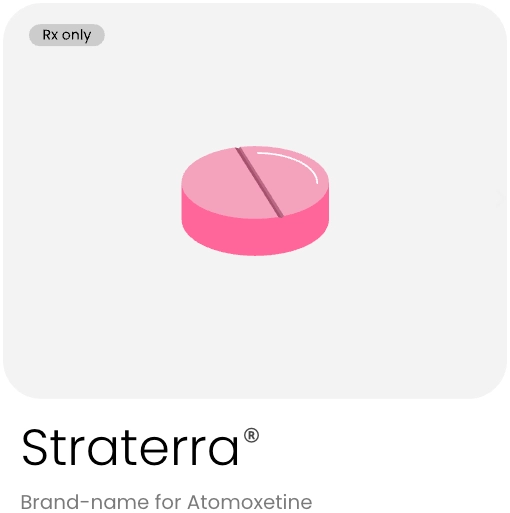
Several FDA-approved medications have been clinically proven to improve attention and focus. Learn more in our detailed adhd medication guide.
Our mission is to provide affordable ADHD care that feels personal, consistent, and easy to access. Many individuals with ADHD face daily struggles with attention, organization, and restlessness, and they deserve care without unnecessary delays. We offer timely appointments and direct messaging with your provider to support you beyond scheduled visits. By removing barriers like long waitlists and complicated systems, we make it easier to start treatment and stay engaged. ADHD care works best when it is collaborative and flexible. Our goal is to help you build focus, confidence, and stability. We’re here to provide ADHD treatment and other mental health services in Parkland, FL.
ADHD can present itself in many different ways. There are many signs and symptoms to watch out for.
Adults with ADHD may feel embarrassed by forgetfulness, like misplacing keys, forgetting names, or missing small responsibilities in everyday life.

Students with ADHD may procrastinate on homework or studying because organizing assignments and starting early can feel mentally exhausting.

Adults with ADHD can experience careless mistakes in paperwork, emails, or finances, often due to distraction or difficulty double checking details.

Adults with ADHD often face disorganization at work, such as messy inboxes, unfinished projects, or trouble managing multiple responsibilities.
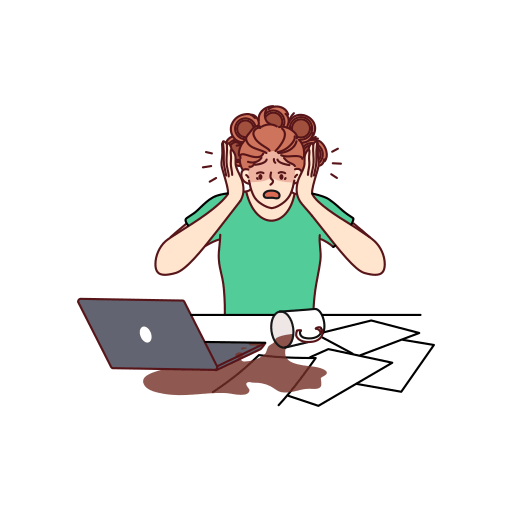
Adults with ADHD often notice trouble focusing at work, such as drifting during tasks, losing track of priorities, or starting multiple projects.

Impulsive spending can be a dopamine chase. Build a pause that protects you without shame. Create a thirty minute rule for online purchases and a twenty four hour rule for bigger items. Put items in a wish list instead of checkout. When the urge hits name the feeling bored stressed or excited. Then do a quick replacement reward like a short walk music or texting a friend. Track the urges for one week to see patterns. Awareness plus a small pause often reduces regret and improves control. Start small track results and adjust until the system fits your life.
Parkland teens with ADHD often face high expectations and packed schedules. Academic success improves with short focused study blocks and clear start points. Using active recall instead of rereading helps memory stick. Visual timers and planned breaks prevent burnout. Parents can support by reducing multitasking and keeping supplies organized in one spot. When teens learn systems early they build confidence reduce stress and improve follow through across school responsibilities
We offer medication management for mental health conditions such as ADHD, anxiety, depression, insomnia, and bipolar disorder.
With anxiety, simple decisions may feel heavy, as the mind tries to predict outcomes, avoid mistakes, and prepare for every possible scenario.
With depression, the mind may become self-critical, replaying failures and doubts while ignoring strengths, making confidence and hope harder to hold onto.
With bipolar disorder, manic episodes may involve racing thoughts, reduced need for sleep, impulsive decisions, and heightened activity that feels intense and hard to slow down.
With insomnia, the brain may stay overactive, replaying conversations, planning tomorrow, or scanning for stress long after the lights go out.
Parkland families often manage packed school and activity schedules so ADHD shows up in transitions more than classwork. Use a visible routine board with three anchors morning after school bedtime. Put forms and sports gear in one staging basket near the door. Set two alarms a start alarm and a leave alarm. For kids use a simple reward for completing the routine not for speed. When routines are predictable arguing drops and attention is freed for learning and relationships.
Yes it can. In Parkland high performing kids may hide ADHD by overworking then crashing. Watch for lost materials late assignments all night study sessions and intense anxiety before due dates. They might test well but struggle with long projects that require planning. Helpful supports include weekly planning time shorter milestones and teachers providing written directions. A thorough evaluation can also screen for anxiety sleep problems or learning differences so the plan targets the real barrier.
In Parkland ADHD can create emotional whiplash especially when plans change or criticism hits. Build a pause skill. Name the emotion out loud then take five slow breaths with a longer exhale. Step away from noise for one minute and return with one clear request. Track common triggers like hunger sleep loss multitasking or social pressure. Practicing the pause when calm makes it easier when upset. Over time reactions soften and conflict at home decreases.
Parkland teens with ADHD often struggle most with initiation not intelligence. Make starting easier by defining a tiny first step open the portal write the title or solve one problem. Use a visual timer for a short sprint then take a planned movement break. Keep the phone in another room during the sprint. End each session by writing the next starting point so tomorrow begins smoothly with less dread. Consistent small starts beat long stressful cram sessions.
Many Parkland adults with ADHD feel organized at work but forgetful at home. Create one household command center with a shared calendar a mail tray and a list of weekly priorities. Use recurring reminders for bills and appointments and keep keys wallet and chargers in one landing spot. Hold a ten minute weekly check in with your partner to confirm plans and divide tasks. These small systems reduce misunderstandings and make home life feel lighter and steadier.
ADHD treatment in Parkland is usually a mix of skills supports and sometimes medication. A good plan starts with clear goals like fewer late assignments calmer mornings or improved work follow through. Behavioral strategies include routines timers coaching and external reminders. Therapy can help with procrastination shame or anxiety that rides along. If medication is considered it should be monitored with symptom tracking sleep appetite and timing notes. The best approach is individualized and adjusted over time.
Reviewed by Mind Mechanic Clinical Oversight
Last updated: January 28, 2026
