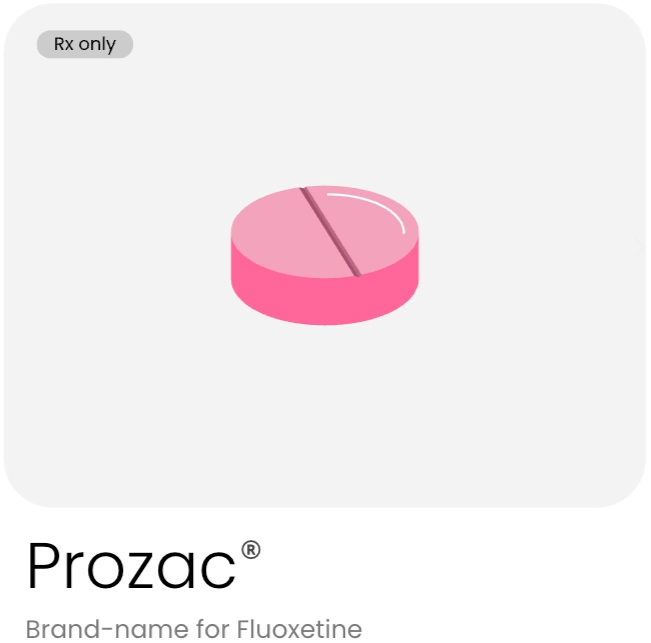
Several FDA-approved medications have been clinically proven to improve feelings of worry and nervousness. Learn more in our detailed anxiety medication guide.
Our mission is to help people living with anxiety get reliable care without unnecessary friction or confusion. We keep scheduling timely and communication direct, so you can reach your provider and feel supported between visits. Anxiety can make small tasks feel heavy, and complicated systems only add pressure. By simplifying access and monitoring symptoms closely, we personalize treatment to your needs and goals. We reduce waitlists, cut down on back and forth phone calls, and provide clear guidance you can use in daily life. We check in often, so progress never feels like guesswork. We’re here to provide Anxiety treatment and other mental health services in Davie, FL.
Anxiety can present itself in many different ways. There are many signs and symptoms to watch out for.
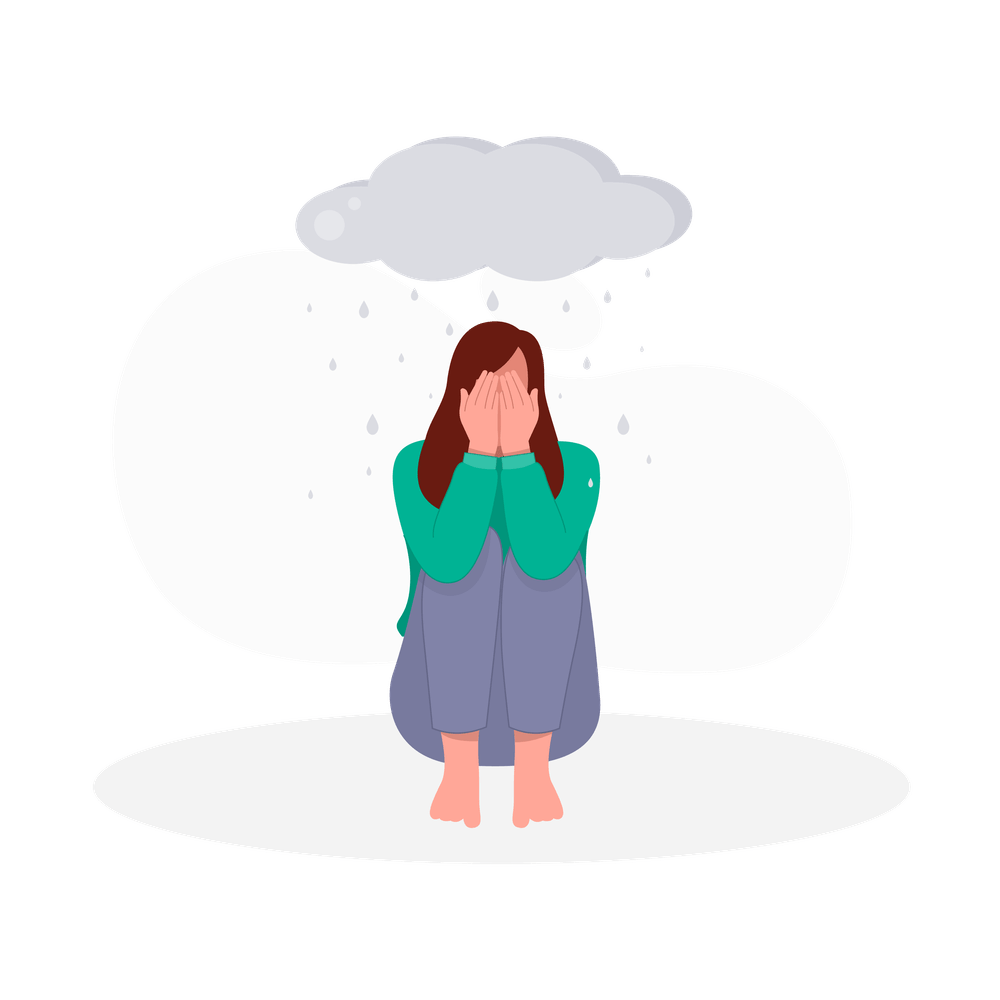
Anxiety-driven worry frequently focuses on worst case scenarios, keeping the brain alert even when there is no immediate danger present.
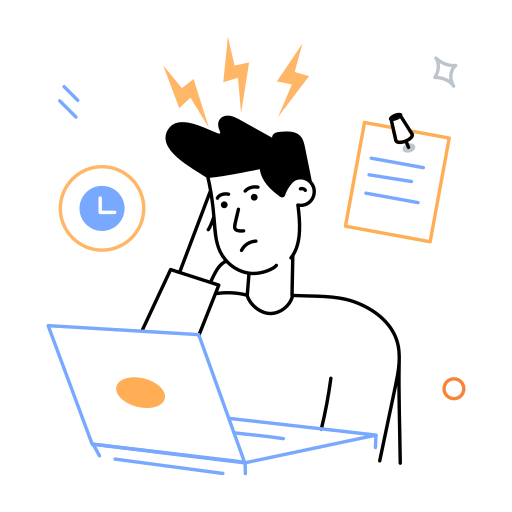
With anxiety, restlessness may appear as pacing, tapping, or constant movement driven by an underlying sense of unease.
When anxiety rises, heart rate may increase suddenly, creating a pounding or fluttering sensation in the chest.
Anxiety-related stress can cause unconscious muscle clenching, leading to aches and discomfort over time.
Anxiety can lower patience levels, leading to irritability during routine interactions or minor inconveniences.
Caffeine can amplify anxiety by increasing heart rate and restlessness, especially if you are already stressed or sleep deprived. Notice the timing and dose. Try reducing by one small step, like switching one cup to half caff or moving caffeine earlier in the day. Add water and protein with breakfast to smooth energy swings. If you experience jitters, remind yourself it is chemistry, not danger. Track changes for a week in a note on your phone. Many people find their baseline worry and irritability drop after small adjustments. If you cut back, taper slowly to avoid headaches.
Davie residents often juggle work, commuting, and family responsibilities, which can lead to chronic overwhelm. Anxiety thrives when the brain feels there is no off switch. Creating recovery moments is essential, such as short breaks, movement, and clear task priorities. A simple three item daily plan reduces mental clutter. Avoiding late night screen time protects sleep, which stabilizes anxiety. Therapy can help with boundary setting and reducing rumination. Small consistent habits create a calmer baseline.
We offer medication management for mental health conditions such as ADHD, anxiety, depression, insomnia, and bipolar disorder.
ADHD often means motivation runs on meaning, not importance; boring tasks stall the engine, while curiosity turns on a turbo boost you didn’t know you had.
Sometimes it’s not dramatic sadness, but a flatness that spreads quietly, dulling curiosity, pleasure, and appetite, until days blur together like pages stuck in rain.
Bipolar disorder may bring days of bright intensity, where music sounds louder and goals feel urgent, then weeks where everything feels muted, and even small tasks feel impossible.
Insomnia can be a clock that grows teeth, chewing up minutes while you bargain for sleep, then panicking because the bargaining itself keeps you awake longer.
Davie residents often balance work school and commuting, which can keep stress levels high throughout the day. Anxiety may build when there is little time to rest or reset. Symptoms can include muscle tension irritability or feeling constantly on edge. Creating small recovery moments helps, such as short breathing breaks stretching or quiet time after arriving home. Therapy can teach coping tools and boundary setting so daily demands feel more manageable.
Anxiety often shows up in the body, not just the mind. In Davie, people may notice chest tightness stomach discomfort headaches restlessness or rapid heartbeat during stressful periods. These sensations can feel alarming, but they are common nervous system responses. Learning to label them as anxiety reduces fear. Grounding exercises hydration and steady sleep support recovery. Therapy can provide tools to manage physical symptoms and reduce escalation into panic.
Yes, anxiety can interfere with focus decision making and confidence. In Davie, demanding work environments may intensify racing thoughts and fear of mistakes. Helpful strategies include breaking tasks into small steps using timed work blocks and taking brief movement breaks. Avoiding perfectionism reduces pressure. Therapy can help challenge catastrophic thinking and build healthier stress responses. With structure and coping skills, productivity improves and work feels less overwhelming.
Social anxiety often involves fear of judgment or embarrassment. In Davie, gatherings or events may feel stressful, leading some people to avoid them. Gradual exposure helps: start with short interactions and realistic goals rather than forcing long social commitments. Grounding skills like slow exhale breathing can reduce physical tension. Therapy supports confidence and reduces self critical thoughts. Over time, social connection becomes easier when anxiety is approached gently instead of avoided.
A simple calming tool is extended exhale breathing. Inhale gently for four counts and exhale slowly for six counts, repeating for two minutes. This signals safety to the nervous system. Add grounding by naming five things you see around you. Davie residents can use this before driving meetings or stressful errands. Practicing daily makes it more effective. These tools reduce intensity and help you feel more in control.
Professional support is important when anxiety affects sleep work relationships or daily functioning. In Davie, consider reaching out if worry feels constant or panic symptoms occur frequently. Avoidance of normal activities is another sign. Therapy provides tools for managing rumination stress responses and fear cycles. Medication may help some individuals when symptoms are severe. Seeking help early prevents anxiety from becoming more entrenched and supports long term wellbeing.
Reviewed by Mind Mechanic Clinical Oversight
Last updated: January 28, 2026
