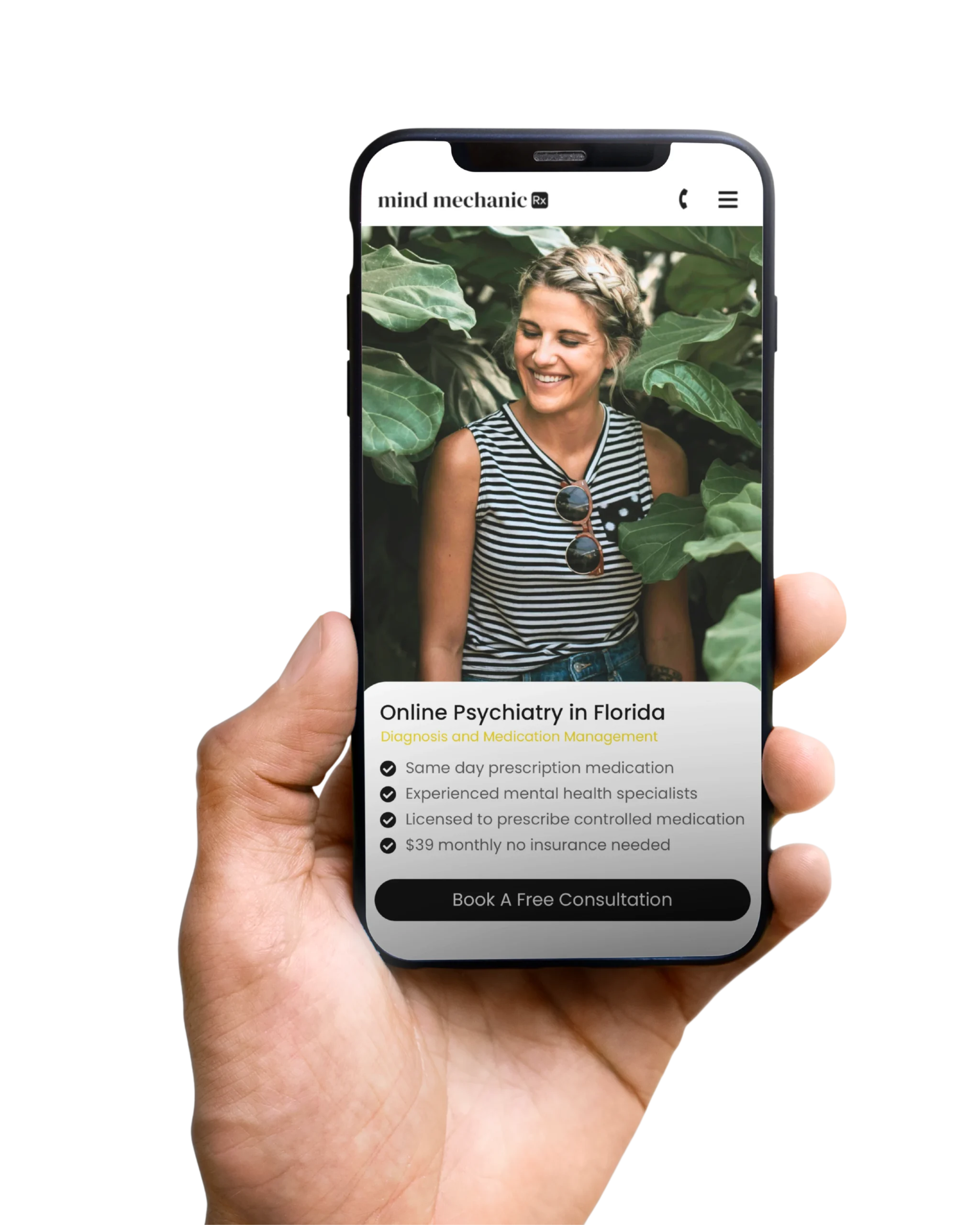
We offer online mental health medication management for residents of Orange County, FL. Although our services are fully virtual, we provide treatment only to those residing in specific areas.
Mental health care in Orange County, Florida is increasingly shaped by rapid population growth and ongoing development. As more people move to the area for work, education, and family opportunities, daily life can become more demanding. Traffic congestion, housing competition, and fast-paced schedules may contribute to elevated stress, anxiety, and burnout. Mental health providers often focus on helping individuals manage chronic stress, maintain emotional balance, and prevent symptoms from escalating. Timely access to care and consistent follow-up can play an important role in helping residents adapt to these pressures while maintaining overall well-being. View our full list of counties we serve in Florida.
Orange County has a large student population, which brings unique mental health considerations. Academic pressure, career uncertainty, and financial stress can affect emotional health, particularly for young adults balancing school and personal responsibilities. Transitions such as starting college or entering the workforce may also trigger anxiety, depression, or attention difficulties. Mental health care in the area often emphasizes early identification of symptoms and flexible treatment options that fit changing schedules. Supporting students through structured care, education, and ongoing monitoring can help improve focus, resilience, and long-term emotional stability during critical life stages.
We offer medication management for mental health conditions such as ADHD, anxiety, depression, insomnia, and bipolar disorder.
ADHD may make it hard to stay on task, manage time, or control impulses. Supportive treatment can help improve organization and productivity.
Anxiety disorders can cause excessive worry and physical symptoms like tension or restlessness. Treatment supports coping skills and emotional regulation.
Depression is a mental health condition involving persistent sadness, fatigue, or loss of interest. With care, many people experience meaningful improvement.
Bipolar disorder involves episodes of depression and periods of heightened mood or irritability. Treatment supports mood consistency over time.
Insomnia can leave individuals feeling unrefreshed despite time in bed. Identifying contributing factors can help restore healthier sleep patterns.
Seasonal changes in Florida can influence mental health even without traditional winter weather. Extreme heat, hurricane seasons, and sudden routine disruptions may increase stress, irritability, or sleep problems. Some individuals feel heightened anxiety during storm seasons or experience fatigue from prolonged heat exposure. Mental health care in Florida often considers these patterns, helping patients adjust routines, manage stress responses, and maintain emotional balance during seasonal or environmental changes.
Mental health treatment in Florida often varies by age due to differing life demands and stressors. Children and adolescents may face academic pressure or behavioral concerns, while adults often seek care for work stress, anxiety, or mood disorders. Older adults may experience depression related to health changes or isolation. Providers tailor treatment approaches to developmental stage, ensuring care addresses emotional, cognitive, and functional needs appropriate for each age group.
Medication monitoring is a key component of mental health care in Florida. After starting treatment, providers regularly assess symptom improvement, side effects, and overall functioning. This allows adjustments to dosage or medication choice as needed. Ongoing monitoring helps ensure medications remain effective and safe over time. It also provides an opportunity for patients to discuss concerns, lifestyle changes, or new stressors that may affect treatment outcomes.
Mental health care can significantly improve emotional regulation, helping individuals manage intense emotions more effectively. In Florida, many people seek treatment for irritability, mood swings, or difficulty coping with stress. Treatment may include medication, therapy referrals, or skill-building strategies that support emotional awareness and control. Improving emotional regulation can enhance relationships, decision-making, and daily functioning, leading to a more stable and balanced emotional experience.
Chronic stress can gradually affect mental health by disrupting sleep, concentration, and emotional balance. Over time, stress may contribute to anxiety, depression, or burnout. In Florida’s fast-paced or service-driven environments, prolonged stress is common. Mental health care focuses on identifying stress patterns early and providing tools to manage them. Addressing long-term stress can reduce symptom severity and improve resilience and overall quality of life.
Mental health treatment in Florida often emphasizes flexibility to accommodate busy schedules, changing life demands, and environmental factors. Care plans may evolve over time, adjusting appointment frequency, medication strategies, or support options as needed. This adaptability helps patients stay engaged in treatment even during periods of transition. Flexible care models support continuity, making it easier to maintain progress and address new challenges as they arise.
Reviewed by Mind Mechanic Clinical Oversight
Last updated: January 28, 2026
