Several FDA-approved medications have been clinically proven to improve sleep patterns. Learn more in our detailed insomnia medication guide.
Our mission is to provide compassionate insomnia care that is affordable, accessible, and centered on your needs. Sleep difficulties can feel overwhelming, which is why we offer timely appointments and direct messaging access to your provider. Instead of waiting through long lists or struggling to reach support, patients receive personalized treatment plans and close follow-up. We focus on removing barriers and making psychiatric care more connected. Our goal is to help you achieve consistent, restorative sleep and improved mental well-being. We’re here to provide insomnia treatment and other mental health services in West Palm Beach, FL.
Insomnia can present itself in many different ways. There are many signs and symptoms to watch out for.
Insomnia may cause waking up tired because frequent nighttime awakenings prevent the brain from staying asleep long enough to recharge properly.
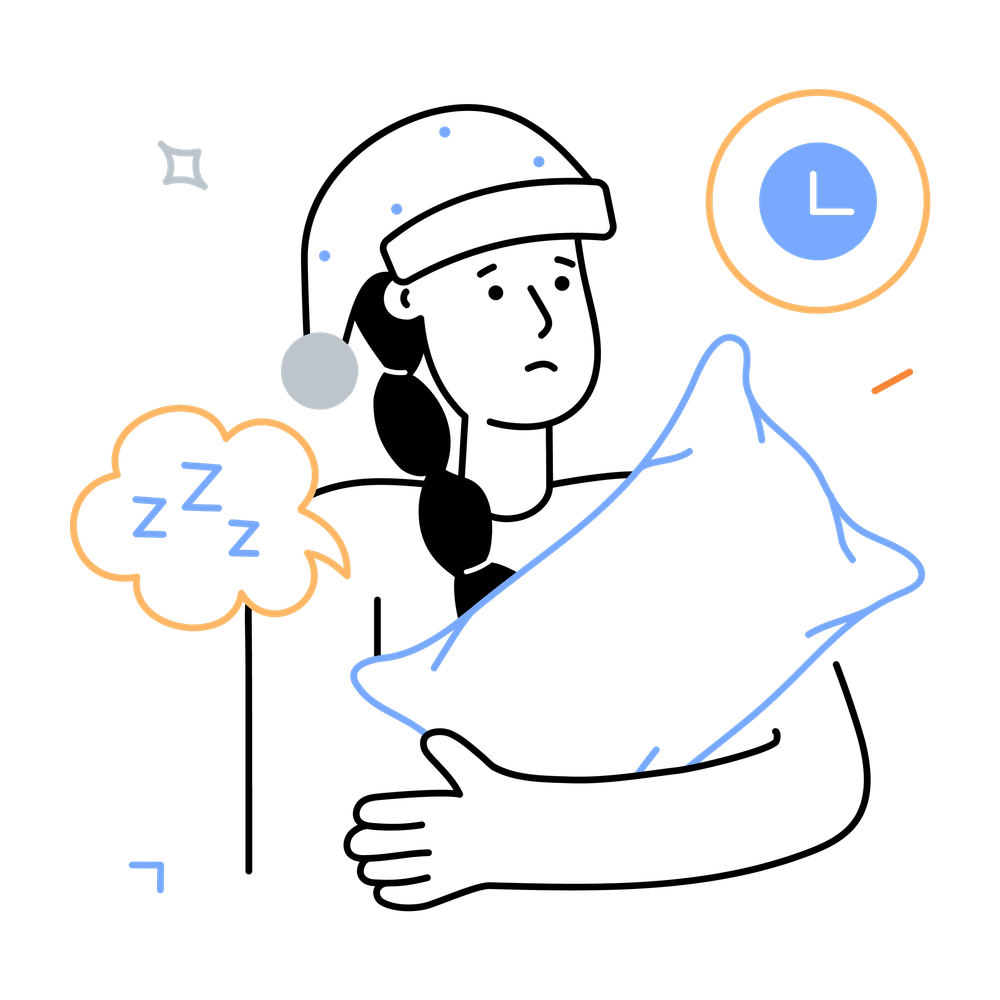
Insomnia often leads to irritability because exhaustion makes it harder to manage sensory overload and everyday stimulation.

Insomnia often leads to trouble focusing because the body’s energy is depleted, leaving less mental fuel for sustained attention.

Insomnia often leads to careless mistakes because the body’s energy is depleted, leaving less mental capacity for careful focus.

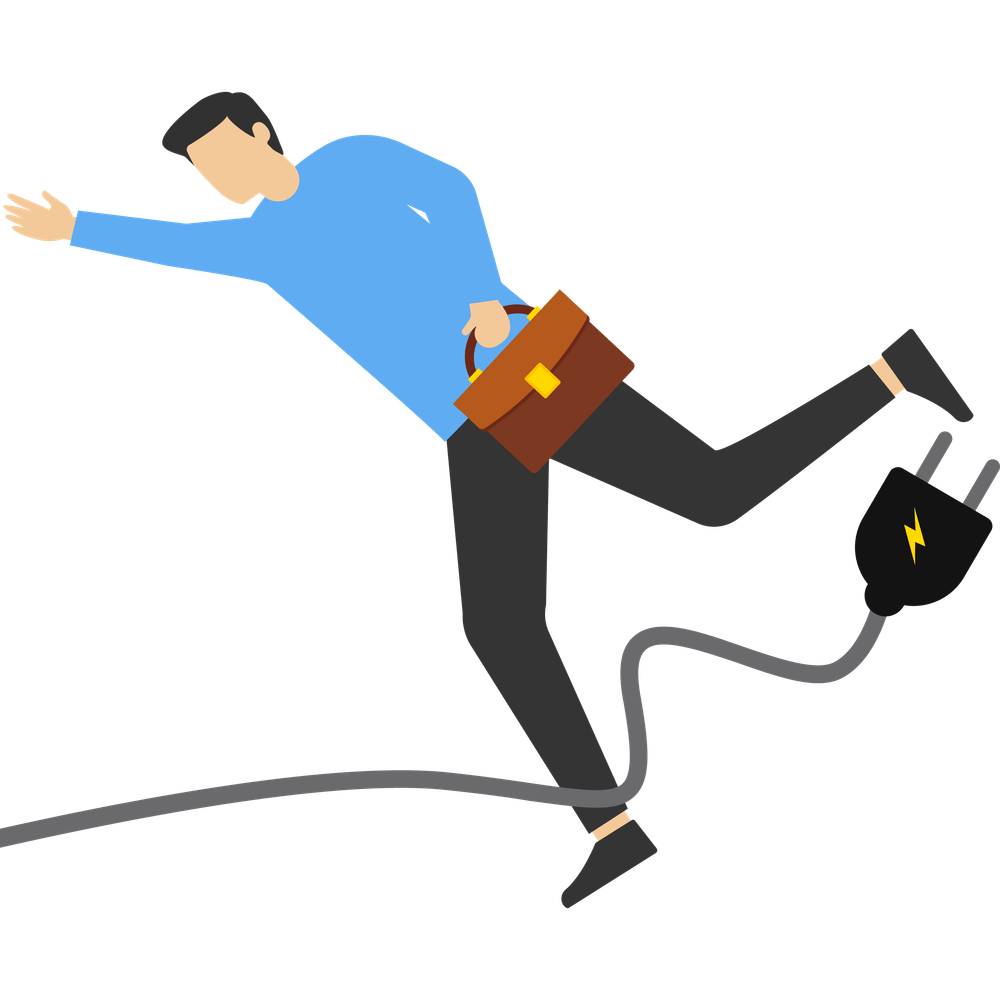
Insomnia often leads to delayed reflexes because the body’s energy is depleted, leaving less capacity for fast, coordinated reactions.
Pain and insomnia often reinforce each other. Poor sleep lowers pain tolerance, and pain increases nighttime arousal. Start with positioning and comfort: supportive pillows, mattress adjustments, and heat or ice before bed. Gentle stretching and relaxation can reduce muscle guarding. If pain wakes you, avoid twisting in bed frustrated; try a calm reset routine in low light. Address pain management with a clinician, especially for persistent issues. Improving sleep quality can make pain feel less sharp the next day. Sometimes treating inflammation earlier in the day reduces nighttime flare ups.
West Palm Beach schedules and traffic can keep the nervous system revved up into the evening. Create a decompression buffer after work before you try to sleep. Spend ten to fifteen minutes doing something low stimulation a slow walk a shower gentle stretching or quiet music. Keep problem solving and email outside that window. A buffer helps your brain separate daytime demands from nighttime rest. If you go straight from stress into bed insomnia often follows. Over time this transition ritual becomes a cue for downshifting and easier sleep onset. Make it the same nightly when possible.
We offer medication management for mental health conditions such as ADHD, anxiety, depression, insomnia, and bipolar disorder.
ADHD can make prioritizing difficult, where everything feels equally urgent, leading to scattered energy and trouble deciding what deserves attention first.
For some, anxiety feels like a tight grip in the chest, a racing pulse, and thoughts moving too quickly to slow down.
Living with depression can make time feel distorted, where days blend together and the future seems far away and unreachable.
With bipolar disorder, depressive phases can bring loss of interest, low self-worth, and slowed thinking, contrasting sharply with manic intensity.
In West Palm Beach, busy schedules and constant stimulation can keep the mind active even when the body is tired. Residents may ruminate over conversations, tasks, or decisions before bed, preventing relaxation. A helpful strategy is dedicating ten minutes in the evening to jot down concerns and one small actionable step. Following this with calming activities like reading or gentle stretching signals the nervous system to shift into rest mode, improving sleep onset over time.
Yes. Natural light in the morning anchors the circadian rhythm, making sleep at night more predictable. Residents who take a brief walk outdoors or open curtains shortly after waking provide the brain with clear day signals. This reduces delayed sleep onset and early morning awakenings. Even on cloudy days, morning light helps the body clock differentiate between day and night, improving overall sleep quality and timing without altering bedtime drastically.
Stress and anxiety can trigger hyperarousal, keeping the nervous system alert at night. West Palm Beach residents may lie awake worrying about work, family, or finances, which interferes with falling asleep. Strategies like journaling earlier in the evening, practicing deep breathing, and engaging in low-stimulation activities signal safety to the brain. Over time, these practices reduce pre-sleep tension, helping the body relax naturally and making sleep onset easier and more consistent.
Absolutely. Bedroom temperature, bedding, lighting, and noise levels influence sleep quality. Residents may wake frequently if the room is too warm, sheets are heavy, or light enters. Using breathable bedding, blackout curtains, steady white noise, and adjusting the thermostat can reduce micro-awakenings. Establishing a comfortable and predictable environment signals the nervous system that it is safe to rest, which supports deeper sleep cycles and improves overall restfulness without needing medications or drastic behavioral interventions.
Yes. Bright screens and emotionally engaging content delay melatonin release and maintain alertness. Residents checking phones, watching TV, or using computers close to bedtime may experience longer sleep latency. Limiting screens 30–60 minutes before bed and replacing them with relaxing activities like reading or gentle stretching helps the nervous system downshift. Over weeks, the brain begins to associate pre-sleep cues with rest, improving sleep onset and reducing nighttime awakenings.
Even subtle disturbances such as noise, temperature changes, or minor stress can trigger brief awakenings. Residents may not consciously remember these micro-arousals, but they fragment sleep. Introducing white noise, maintaining a stable bedroom temperature, and following a calming pre-sleep routine signals safety to the nervous system. Over time, sleep consolidates into longer stretches, reducing interruptions and promoting more restorative sleep cycles without relying solely on medication or extreme behavioral changes.
Reviewed by Mind Mechanic Clinical Oversight
Last updated: January 28, 2026

