Several FDA-approved medications have been clinically proven to improve feelings of sadness. Learn more in our detailed depression medication guide.
Our purpose is to offer depression care that is affordable, accessible, and centered on patient connection. Depression can affect motivation and daily functioning, so we provide timely appointments and direct messaging with your provider for ongoing support. We remove obstacles common in traditional systems, such as long waits and limited communication. Through personalized monitoring and individualized treatment plans, our mission is to help patients regain stability, improve well-being, and rediscover hope step by step. We’re here to provide Depression treatment and other mental health services in Wellington, FL.
Depression can present itself in many different ways. There are many signs and symptoms to watch out for.
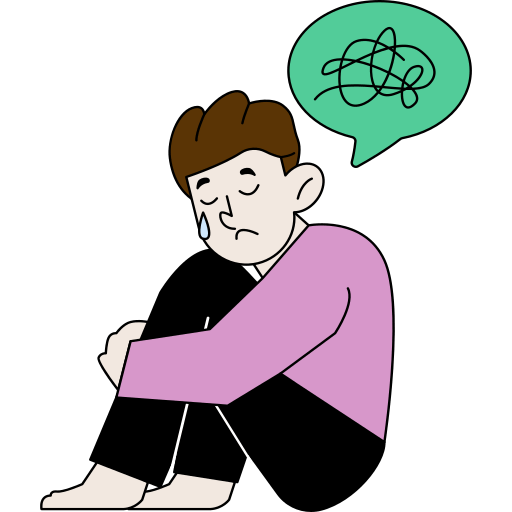
Hopeless feelings can reflect depression’s numbness, especially when anxiety creates relentless worry that life will never feel manageable again.
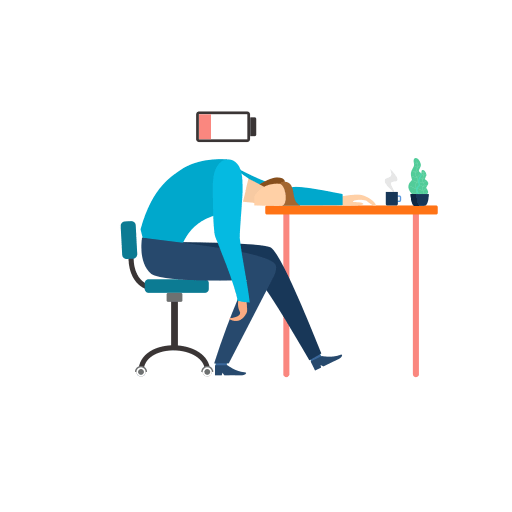
Depression can make low energy feel endless, where each day begins with fatigue and the future feels hard to imagine clearly.
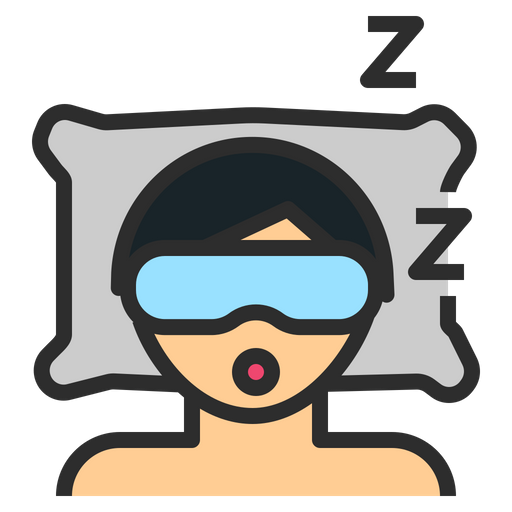
Depression often makes sleep changes feel frustrating, since people may desperately want rest but struggle to achieve it consistently.
Difficulty focusing can be part of depression when the mind feels numb, making it hard to connect fully with what’s happening.

Irritability may reflect depression’s physical strain, where muscle tension and headaches make the body uncomfortable and mood more reactive.

Depression recovery is rarely a straight line. A bad day can feel like proof that nothing is working, but setbacks are often part of healing. Instead of restarting from zero, identify what changed, sleep, stress, conflict, isolation. Then return to basics: small movement, food, connection, and routine. Treat setbacks as information, not failure. Tracking patterns helps you prepare for future dips. Recovery is built by repeated returns, like steering back onto the road after a pothole. Each return strengthens resilience
Wellington’s achievement driven culture can contribute to depression when pressure becomes constant. People may feel they must always perform, whether in work, academics, or competitive activities. Over time, this can lead to exhaustion, irritability, and loss of enjoyment. A helpful step is separating identity from outcomes. Build rest into your schedule and practice doing things for recovery rather than achievement. Therapy can help reduce perfectionism and rebuild balance. Depression often improves when the nervous system is allowed to recover consistently.
We offer medication management for mental health conditions such as ADHD, anxiety, depression, insomnia, and bipolar disorder.
Many with ADHD struggle with self-monitoring, realizing too late they talked too long, lost track of time, or missed instructions, despite genuine intention.
It may show up as difficulty focusing, where attention keeps snapping to imagined problems, leaving you rereading emails, losing your place, and feeling mentally scattered.
Bipolar disorder can feel like a roller coaster without a visible track, where momentum builds quickly, decisions accelerate, and then the drop arrives with fatigue and self-doubt.
Insomnia can be both a symptom and a trigger, worsening anxiety or depression while also being worsened by them.
Yes. Wellington has many achievement focused settings, and depression may first appear as losing drive rather than obvious sadness. Someone may still show up but feel empty, unmotivated, or unable to care about outcomes. This can be frightening for people used to pushing forward. Depression affects reward and meaning, not character. Instead of forcing intensity, focus on basic stability, sleep, nourishment, and small grounding routines. Motivation often returns gradually when pressure is reduced.
Depression can surface after a major goal is achieved because the striving provided structure. In Wellington, once an event, season, or milestone passes, some people feel an unexpected emotional drop. The nervous system shifts from adrenaline to emptiness. This does not mean the goal was meaningless, it means the brain needs recovery and new purpose. Building gentle routines and reconnecting with values helps. Support is important when the afterglow turns into persistent heaviness.
Depression in competitors often looks like fatigue, self doubt, and emotional flatness. In Wellington, someone may train or perform while feeling disconnected from enjoyment. They may interpret this as weakness, which worsens shame. Depression is not lack of toughness, it is a mood condition that impacts energy and reward. Rest, reduced pressure, and honest support matter. Recovery often involves separating identity from performance and allowing space for healing without constant comparison.
Yes. Depression can show up as frustration or impatience, especially when emotional reserves are low. In Wellington, busy schedules and high expectations can intensify this. Loved ones may misread irritability as attitude rather than exhaustion and numbness underneath. Recognizing it as a symptom reduces blame. Stabilizing sleep, reducing overload, and creating recovery space often helps. Mood softens as depression lifts and the nervous system is no longer operating on depletion.
Perfectionism can fuel depression when nothing feels good enough. In Wellington, people may hold themselves to relentless standards in work, parenting, or competition. When depression lowers energy, perfectionism becomes self punishment. This creates hopelessness and withdrawal. A helpful shift is focusing on sustainability instead of flawless output. Therapy can help challenge rigid beliefs and rebuild self worth beyond achievement. Depression improves when rest and balance are treated as necessary, not optional.
Recovery is rarely a sudden breakthrough. In Wellington, progress often looks like small returns, completing one task, reconnecting briefly, feeling a moment of interest again. Depression loosens gradually through consistent basics: routine, nourishment, movement, and support. Setbacks do not erase healing. The goal is not constant happiness, it is expanding life again so depression is no longer the center. Over time, engagement grows and heaviness becomes less dominant.
Reviewed by Mind Mechanic Clinical Oversight
Last updated: January 28, 2026

