Several FDA-approved medications have been clinically proven to improve feelings of sadness. Learn more in our detailed depression medication guide.
Our mission is to support individuals facing depression with care that is accessible, affordable, and deeply personal. Depression can make daily life feel overwhelming, so we provide timely appointments and consistent provider connection. Patients can message directly, allowing questions to be answered quickly and care to remain responsive. We eliminate common barriers like long waitlists and impersonal systems. Our goal is to help you regain stability, improve well-being, and rediscover hope through compassionate treatment. We’re here to provide Depression treatment and other mental health services in Tequesta, FL.
Depression can present itself in many different ways. There are many signs and symptoms to watch out for.
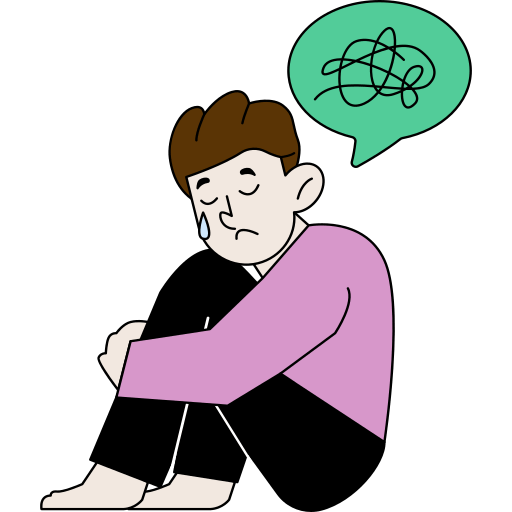
Hopelessness often grows in depression when anxiety blocks calm thinking, making setbacks feel like proof that improvement is impossible.
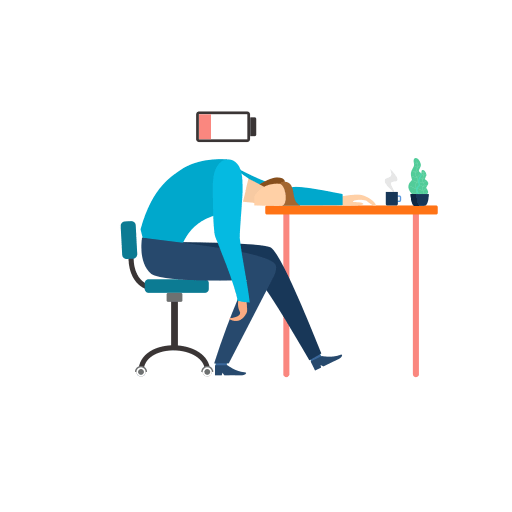
Depression can cause low energy by disrupting sleep quality, leading to exhaustion even after spending many hours in bed.
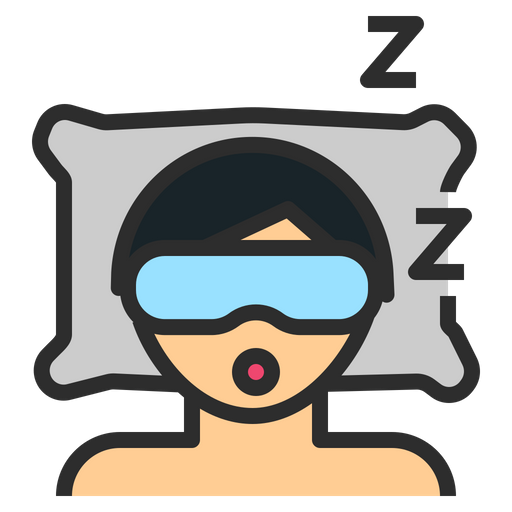
Depression-related sleep changes may cause someone to nap frequently, yet still feel emotionally and physically depleted afterward.
Difficulty focusing may show up in depression as trouble reading, where the eyes move across words but the meaning doesn’t stick.

With depression, irritability can be a sign of emotional overload, where the mind feels crowded and has little capacity left.

Depression can affect work through low motivation, slower thinking, and reduced confidence. Instead of pushing harder, change the structure. Break tasks into the next smallest action and use short focus blocks. Choose one priority per morning and write a done list at night to quiet mental guilt. If appropriate, discuss accommodations like flexible scheduling or reduced multitasking. Avoid comparing your current output to your best days. Depression is an illness, not laziness. Support and realistic pacing protect both performance and recovery
Tequesta’s slower pace can be soothing, but depression may deepen when quiet turns into isolation. Without structure, days blur and motivation drops further. A simple plan helps: choose three anchors, wake time, one movement moment, and one connection. Keep tasks small and repeatable. Depression often improves when the nervous system can predict the day. Therapy can support coping tools and reduce hopeless thinking. The goal is not doing everything, it is reestablishing rhythm so energy and interest can return gradually.
We offer medication management for mental health conditions such as ADHD, anxiety, depression, insomnia, and bipolar disorder.
It can look like procrastination, but often it’s difficulty regulating attention and motivation, leading to avoidance until a deadline provides the necessary spark.
It’s the sensation of being chased without seeing what’s behind you, where your heartbeat speeds up and your mind insists you must solve something immediately.
Bipolar disorder can turn creativity into a wildfire, producing nonstop ideas and urgency, then later leaving scorched energy and a sense of emotional aftermath when the pace collapses.
Insomnia often impacts mental health, increasing anxiety and low mood while reducing resilience to everyday stress.
Yes. Many Tequesta residents describe depression as a dull blankness, where nothing feels interesting, even things that should. It can resemble boredom, but it carries heaviness and disconnection underneath. The brain stops signaling reward, so activities feel pointless. This is why forcing excitement rarely works. Instead, choose small exposures to life, a short errand, music in the car, sitting outdoors. Interest often returns quietly through repetition.
Depression can become louder in silence. In Tequesta, when the day slows down, thoughts that were muted by busyness can rush forward. The mind may replay regrets, losses, or fears, making evenings feel heavier than mornings. Quiet is not the cause, it is the space where symptoms surface. Adding gentle structure helps, a calming routine, light activity, or brief connection. Stillness becomes easier when it is held, not empty.
People assume being near water or greenery automatically lifts mood, but depression can block that effect. In Tequesta, someone might sit outside and still feel numb, as if the scenery is behind glass. That does not mean nature is useless, it means the nervous system is slowed. The benefit often comes from consistency rather than emotion. Short repeated outdoor moments help the brain reconnect with sensory input over time, even if it feels flat at first.
Depression drains decision energy. In Tequesta, someone may feel overwhelmed choosing what to eat, whether to respond to a text, or how to start the day. The brain treats choices as heavy because motivation and confidence are reduced. A helpful strategy is using defaults: simple meals, one predictable routine, one task per block of time. Reducing options reduces pressure. Decision ease often returns as mood stabilizes and mental energy rebuilds.
Yes. Depression is not always quiet sadness. In Tequesta, it can show up as impatience, frustration, or feeling emotionally raw. When energy is low, small inconveniences feel unbearable. This often leads to guilt afterward, which deepens the cycle. Recognizing irritability as a symptom helps reduce self blame. Stabilizing sleep, reducing overload, and creating recovery space can soften this pattern. Mood often becomes gentler as depression lifts.
Progress is often subtle. In Tequesta, improvement may look like getting out of bed a little sooner, answering one message, cooking something simple, or noticing one moment of calm. These are real signs of movement. Depression rarely disappears overnight, it loosens gradually. Watching for small returns of engagement helps counter hopelessness. Over time, the day opens up again, not through one breakthrough, but through many quiet steps forward.
Reviewed by Mind Mechanic Clinical Oversight
Last updated: January 28, 2026

