Several FDA-approved medications have been clinically proven to improve mood stability. Learn more in our detailed bipolar medication guide.


Our mission is to make bipolar disorder treatment easier to access and more supportive for every patient. We provide affordable psychiatric care with timely appointments and direct provider communication, so you can receive guidance without unnecessary delays. Bipolar disorder care often involves careful monitoring, individualized medication management, and consistent follow-up. We work to remove traditional barriers like long waitlists and limited access, replacing them with responsive, patient-centered care. Our goal is to help you feel more stable, empowered, and supported through every stage of your journey. We’re here to provide Bipolar Disorder treatment and other mental health services in Tequesta, FL.
Bipolar disorder can present itself in many different ways. There are many signs and symptoms to watch out for.
Bipolar disorder may involve emotional instability that makes stress harder to tolerate, leading to quick emotional changes that benefit from treatment consistency.
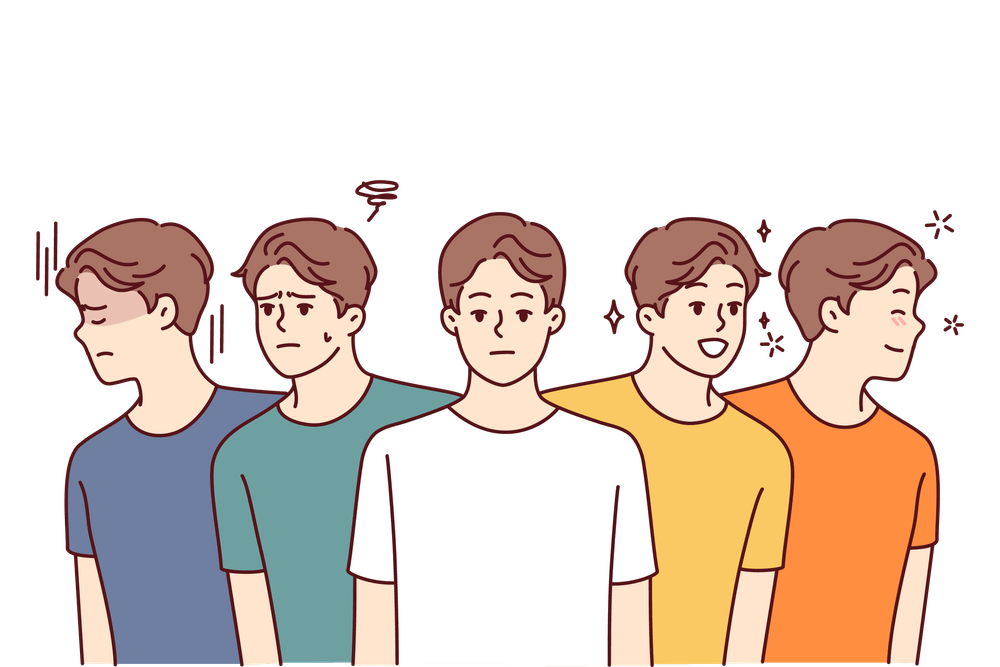
Mania is a bipolar disorder symptom that may bring intense motivation, yet it can also create unstable decisions and strained social connections.
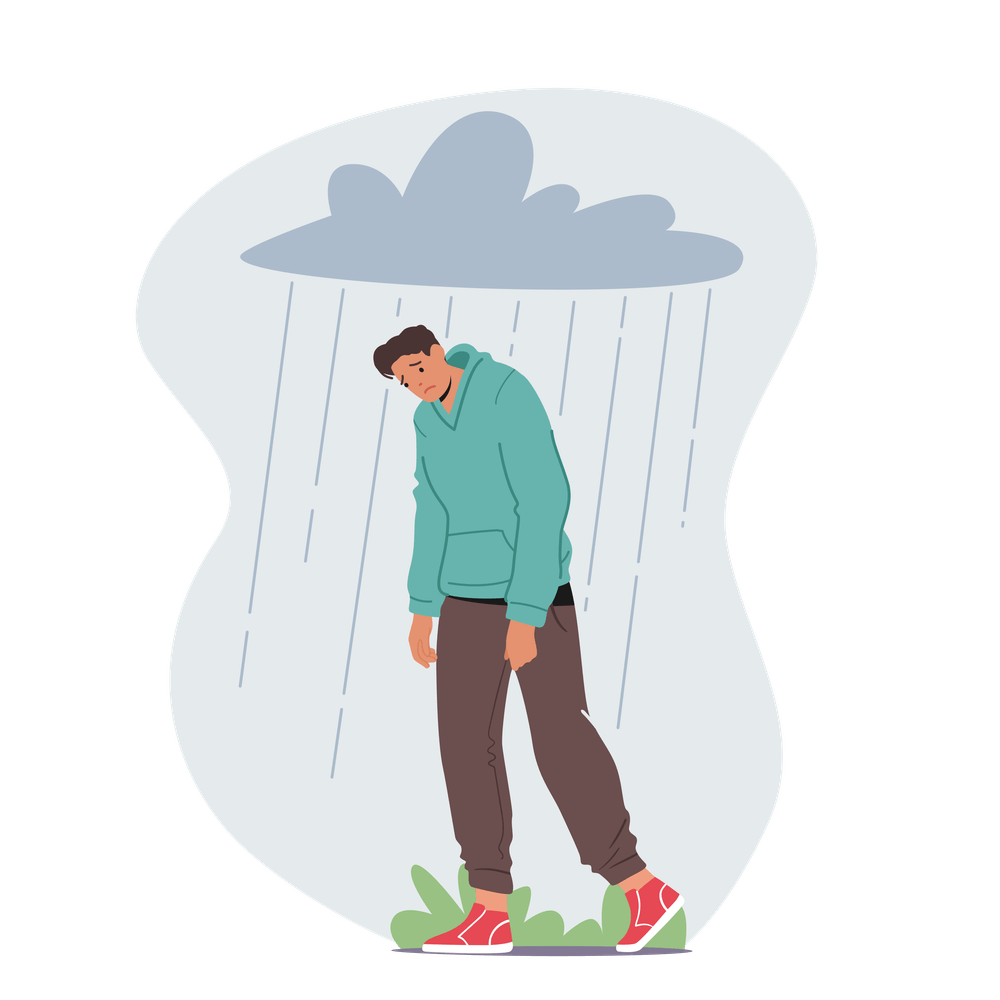
Some individuals notice bipolar depressive episodes worsen with seasonal changes, highlighting how biology and environment can influence mood cycles.
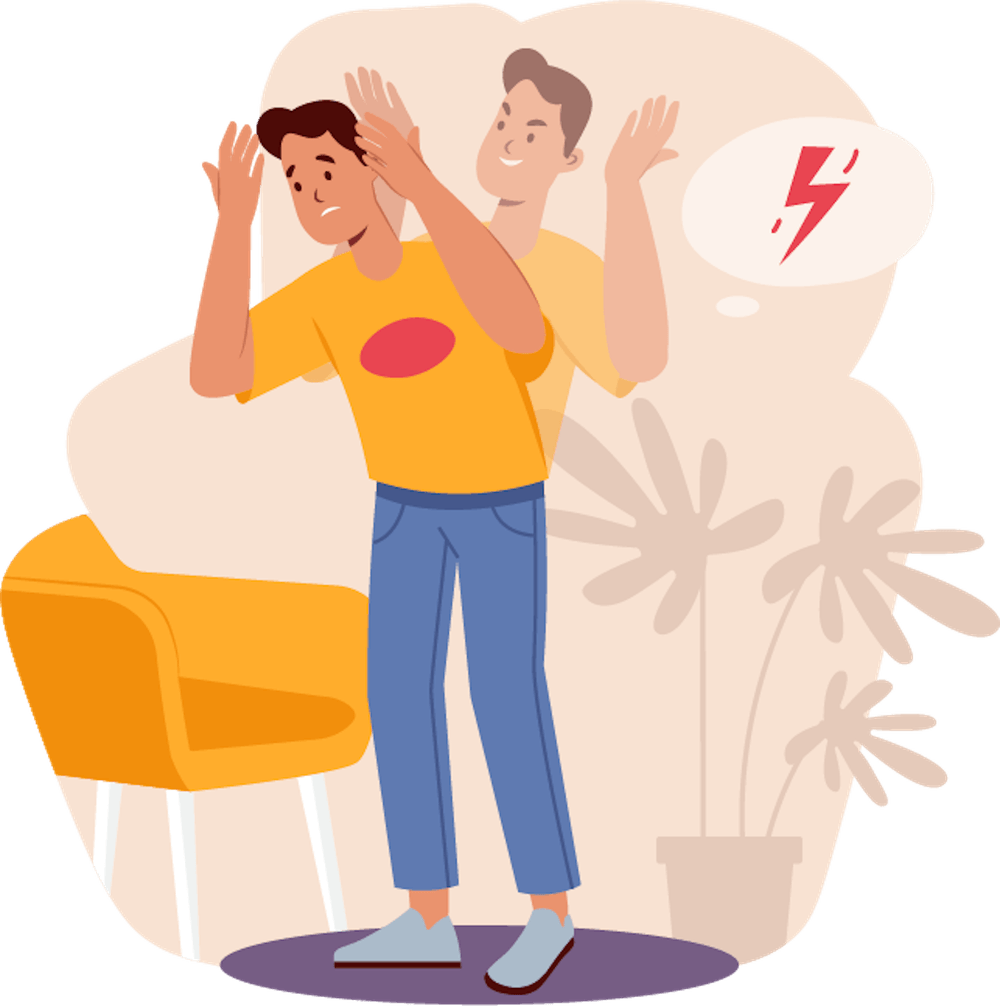
During manic episodes, bipolar disorder can distort risk perception, making dangerous actions feel reasonable or even necessary.

During mania, bipolar disorder can create impulsive generosity, such as giving away money or making promises that are hard to sustain later.

Cyclothymia involves chronic mood fluctuations that are less intense than major depression or full hypomania but still disruptive. People may feel like they are always a little up or a little down with few stable weeks. This can affect relationships work consistency and self confidence. Because symptoms are milder they are often dismissed as personality or stress. Tracking mood and sleep over months can reveal the pattern. Treatment may include therapy routine stabilization and sometimes medication depending on severity. Naming the pattern can reduce self blame and help people build structure that supports steadier functioning
In Tequesta therapy often strengthens bipolar disorder treatment by adding practical tools beyond medication. Therapy can help recognize triggers manage stress and rebuild routines after episodes. Cognitive strategies reduce depressive thinking while social rhythm approaches stabilize daily schedules. Therapy also supports relationship repair and self compassion after difficult periods. Skills like grounding emotion labeling and boundary setting help during early warning stages. The goal is steady functioning not perfection. Combining therapy with consistent routines and medical care creates a more resilient long term plan for everyday life and stability
We offer medication management for mental health conditions such as ADHD, anxiety, depression, insomnia, and bipolar disorder.
ADHD can impact memory in daily life, leading to forgotten appointments or unfinished chores, despite strong intelligence and sincere effort to stay on track.
Sometimes anxiety feels like a storm of anticipation, where the mind rehearses problems repeatedly, hoping preparation will prevent discomfort or embarrassment.
With depression, laughter may feel forced, as the inner experience remains heavy, despite attempts to appear normal or strong around others.
With insomnia, mornings can feel discouraging, as waking up tired becomes a repeated experience that weighs on motivation and mood.
Tequesta has a quieter small town feel, which can be comforting, but some people worry about limited support. Bipolar disorder management still benefits from building a strong care network, including a psychiatrist therapist and trusted family or friends. Even in smaller communities, telehealth and nearby resources can provide consistent treatment. Staying connected prevents isolation and helps you respond early when mood symptoms begin to shift.
Even in a calm place like Tequesta, bipolar disorder can affect sleep energy focus and relationships. Some days may bring racing thoughts and impulsive plans, while others feel heavy and slowed down. The challenge is maintaining steady routines through changing moods. Consistent medication timing structured days and stress management help reduce swings. Recognizing that symptoms are medical, not personal failure, encourages people to seek help early rather than struggling alone.
Nature can be a supportive tool when used wisely. In Tequesta, spending time outdoors, walking near parks, or getting morning sunlight can reduce stress and improve mood. The key is consistency, not intensity. During depression, small outdoor steps can help reengage with life. During elevated moods, calming routines prevent overstimulation. Outdoor habits are helpful additions, but they work best alongside therapy medication and stable sleep patterns.
Life transitions like moving job changes or family stress can trigger mood episodes. In Tequesta, prevention starts with protecting sleep and routines during busy periods. Keep medication consistent, avoid alcohol or substances, and schedule extra therapy support if stress increases. Mood tracking helps catch early warning signs such as irritability reduced sleep or withdrawal. Planning ahead allows you to respond quickly before symptoms become severe and disrupt daily life.
Communication works best when it is calm and planned. Loved ones in Tequesta can help by focusing on safety and support rather than blame. Agree on early warning signs, such as reduced sleep or rapid speech, and discuss steps to take if symptoms rise. During depression, gentle encouragement and practical help matter. During mania, setting boundaries and involving professional care early can prevent escalation while preserving trust.
Emergency help is needed when symptoms become unsafe or extreme. In Tequesta, seek urgent support if someone has suicidal thoughts hallucinations dangerous impulsivity severe agitation or cannot sleep for multiple nights with escalating energy. These may indicate a serious manic or depressive episode requiring immediate evaluation. Contact a crisis line reach your psychiatrist or go to the nearest emergency department. Acting early protects safety and can shorten recovery time.
Reviewed by Mind Mechanic Clinical Oversight
Last updated: January 28, 2026
