Several FDA-approved medications have been clinically proven to improve mood stability. Learn more in our detailed bipolar medication guide.

We are dedicated to providing accessible mental health care for bipolar disorder, focusing on steady support and meaningful connection. Our mission includes affordable treatment, prompt scheduling, and direct messaging with your provider for personalized follow-up. Bipolar disorder often requires close monitoring and thoughtful care adjustments, and we work to ensure you feel supported throughout the process. Traditional systems can create frustrating barriers, but we prioritize responsiveness and clarity. Our goal is to help you find balance, stability, and hope through compassionate psychiatric care. We’re here to provide Bipolar Disorder treatment and other mental health services in Jupiter, FL.
Bipolar disorder can present itself in many different ways. There are many signs and symptoms to watch out for.
Emotional instability in bipolar disorder can create a sense of emotional unpredictability, where reactions feel heightened and require supportive strategies to manage.
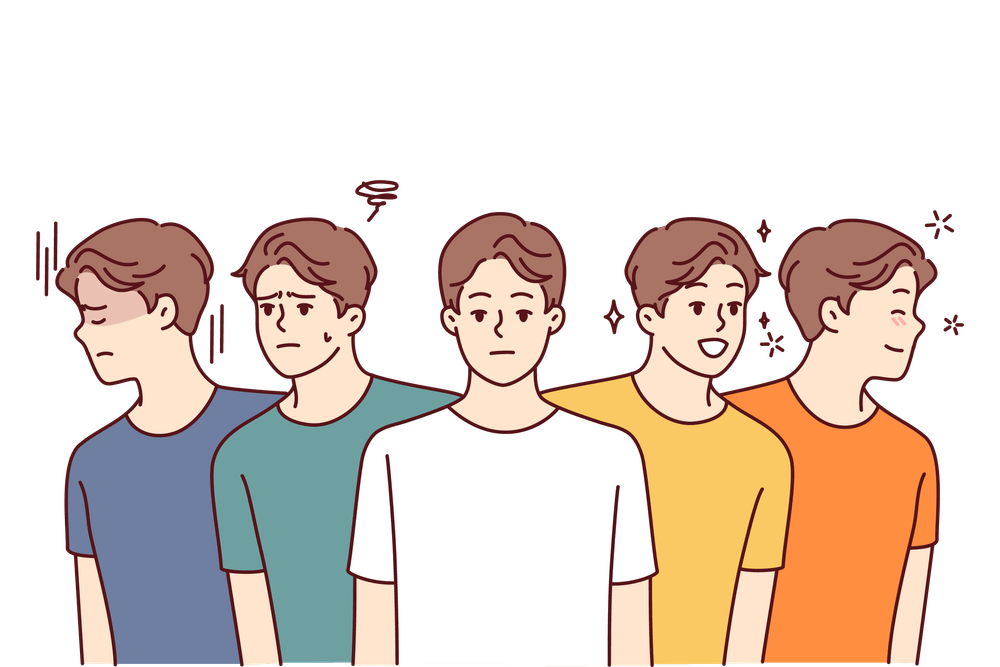
Bipolar disorder manic episodes can make thoughts feel sped up, pushing someone into constant motion and making calm moments feel nearly impossible.
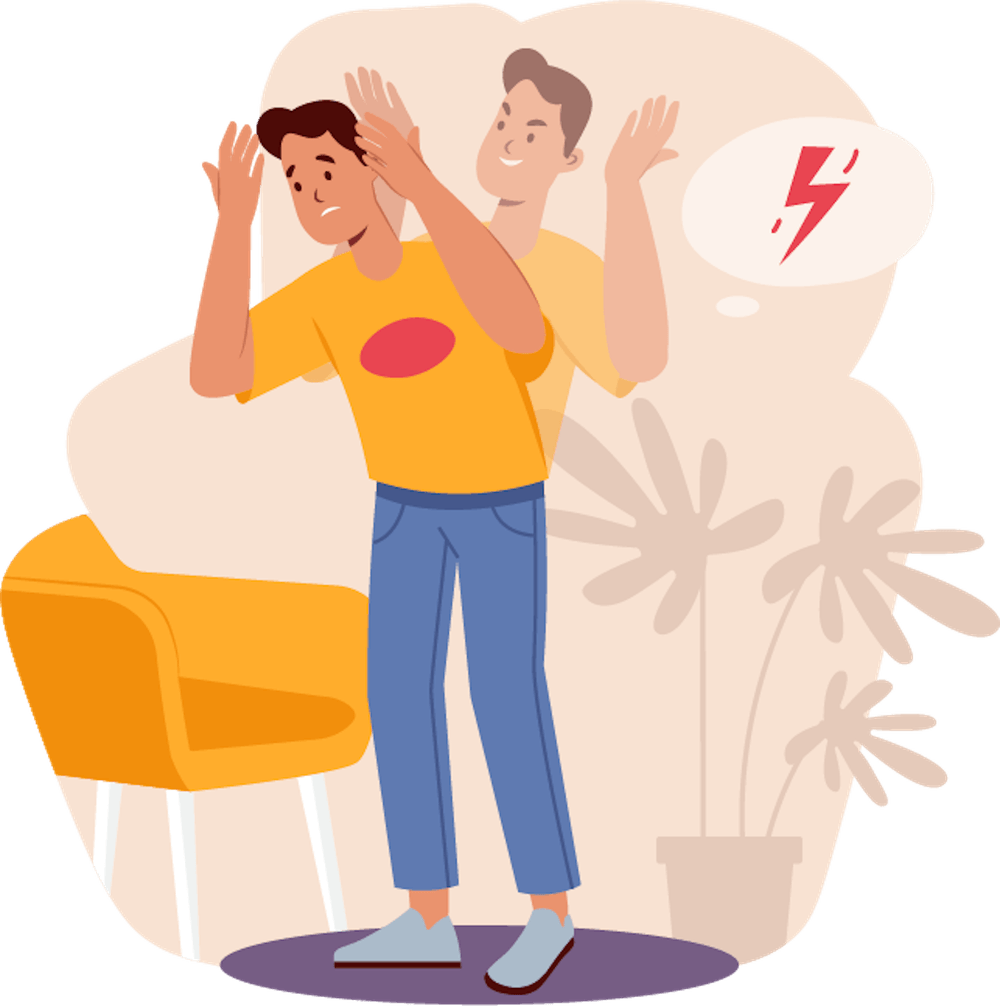
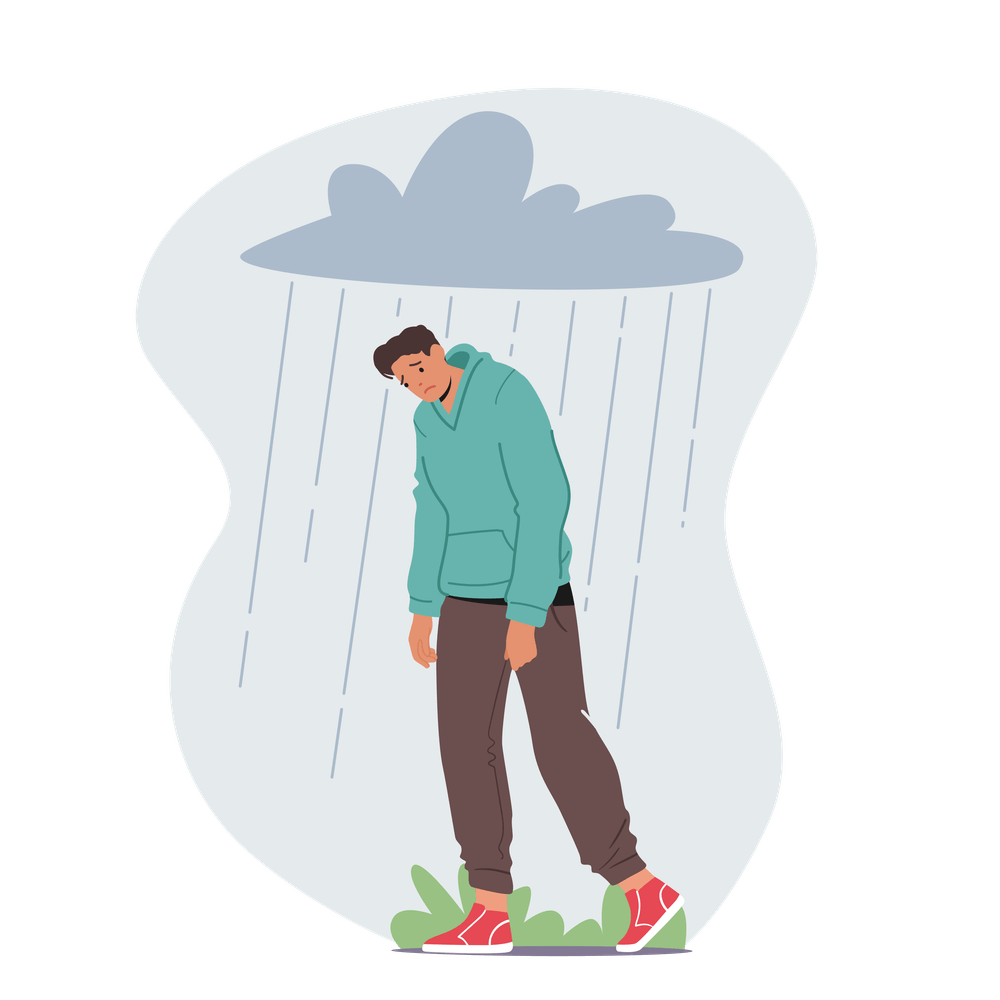
Depression associated with bipolar disorder can bring cognitive fog, making decisions harder and creating a sense of mental heaviness.
Reckless behavior may also show up as sudden business investments in bipolar disorder, where optimism and urgency cloud realistic evaluation.

Impulsivity in bipolar disorder may contribute to substance use risks, especially when mood elevation increases confidence and reduces perceived danger.

Bipolar II includes episodes of depression and hypomania rather than full mania. Hypomania can feel productive and enjoyable which makes it easy to miss. Signs may include less sleep increased confidence faster speech more projects and more social activity. Because depression can be severe bipolar II is sometimes mistaken for unipolar depression. Accurate diagnosis matters because treatment strategies differ. Tracking mood energy and sleep can help clarify patterns. If antidepressants alone worsen cycling or agitation that can be a clue to revisit diagnosis with a clinician. Recognizing bipolar II helps people understand their history and build prevention routines
In Jupiter stress can act like fuel for bipolar mood instability especially when schedules become crowded. High demands conflict or overstimulation may disrupt sleep and increase irritability. Build a weekly stress plan with realistic limits recovery time and planned breaks. Use calming routines such as walking stretching journaling or brief mindfulness. Track mood energy and sleep during overloaded weeks to learn your stress ceiling. Saying no earlier protects stability. Lower stress supports clearer thinking steadier emotions fewer impulsive choices and fewer relapses over time with more resilience
We offer medication management for mental health conditions such as ADHD, anxiety, depression, insomnia, and bipolar disorder.
People with ADHD frequently experience racing thoughts, jumping from idea to idea, making it hard to slow down, yet often fueling creativity and innovation.
Anxiety can bring intrusive thoughts, unwanted mental images or fears that appear suddenly and create distress despite not reflecting true intentions.
Depression may bring feelings of guilt, where people blame themselves for struggling, even though the condition is not a personal failure.
Insomnia may be fueled by anxiety, stress, or shifting routines, where the nervous system struggles to switch into calm, restorative mode.
Jupiter’s slower pace and ocean setting can feel calming, but bipolar symptoms can still develop quietly. In peaceful environments, mood shifts may be mistaken for normal ups and downs rather than early warning signs. Changes in sleep, motivation, irritability, or social withdrawal deserve attention. Regular check ins with a clinician and simple mood tracking help catch patterns early. Stability comes from consistent routines, not just a relaxing location.
Hypomania often begins with subtle changes that feel positive at first. In Jupiter, someone may suddenly feel unusually energetic, need less sleep, talk faster, or take on many new projects. Increased spending, impatience, or risky decisions can also appear. The key is noticing a shift from your normal baseline. If elevated mood lasts several days with reduced rest, contact your clinician early to prevent escalation.
Outdoor movement can be a helpful supplement to treatment. In Jupiter, walking near the water, light exercise, or spending time in natural sunlight can improve mood and reduce stress. The goal is consistency, not intensity. During elevated moods, avoid overexertion or late night activities that disrupt sleep. During depression, start small with short walks or gentle routines. Outdoor habits work best alongside therapy medication and stable daily structure.
Depression often encourages withdrawal, even in a beautiful place like Jupiter. A helpful approach is planned connection: schedule one small interaction each day, such as a call, brief meet up, or therapy session. Pair social contact with basic self care like eating regularly and maintaining sleep routines. Depression can shrink your world, so small steps keep you engaged. Support from professionals and loved ones makes recovery more manageable.
Sleep is one of the most important stabilizers in bipolar disorder. In Jupiter, late evenings, travel, or social events can disrupt rest and increase risk of mood episodes. Keeping a consistent bedtime and wake time protects mood regulation. Avoid caffeine late in the day and reduce screen exposure before bed. If you feel energized but cannot sleep, slow down rather than starting new tasks. Protecting sleep is core prevention.
Urgent support is needed when symptoms become dangerous or severe. In Jupiter, seek immediate care if someone has suicidal thoughts hallucinations extreme agitation reckless behavior or cannot sleep for several nights with escalating energy. These may signal a serious manic or depressive episode requiring emergency evaluation. Contact a crisis line reach your psychiatrist or go to the nearest emergency department. Acting early protects safety and often shortens recovery time.
Reviewed by Mind Mechanic Clinical Oversight
Last updated: January 28, 2026
