Several FDA-approved medications have been clinically proven to improve sleep patterns. Learn more in our detailed insomnia medication guide.

We are dedicated to providing accessible psychiatric care for individuals struggling with insomnia and disrupted sleep. Our mission is to remove barriers like long waitlists and limited communication by offering timely appointments and direct messaging with your provider. Sleep issues can affect every aspect of life, and we focus on personalized treatment plans that address your unique needs. With close follow-up and compassionate support, we help patients rebuild healthier sleep routines and experience lasting improvements in mental and emotional well-being. We’re here to provide insomnia treatment and other mental health services in Delray Beach, FL.
Insomnia can present itself in many different ways. There are many signs and symptoms to watch out for.
Waking up tired may occur in insomnia when early morning awakenings cut sleep short, leaving little chance to return to refreshing rest.
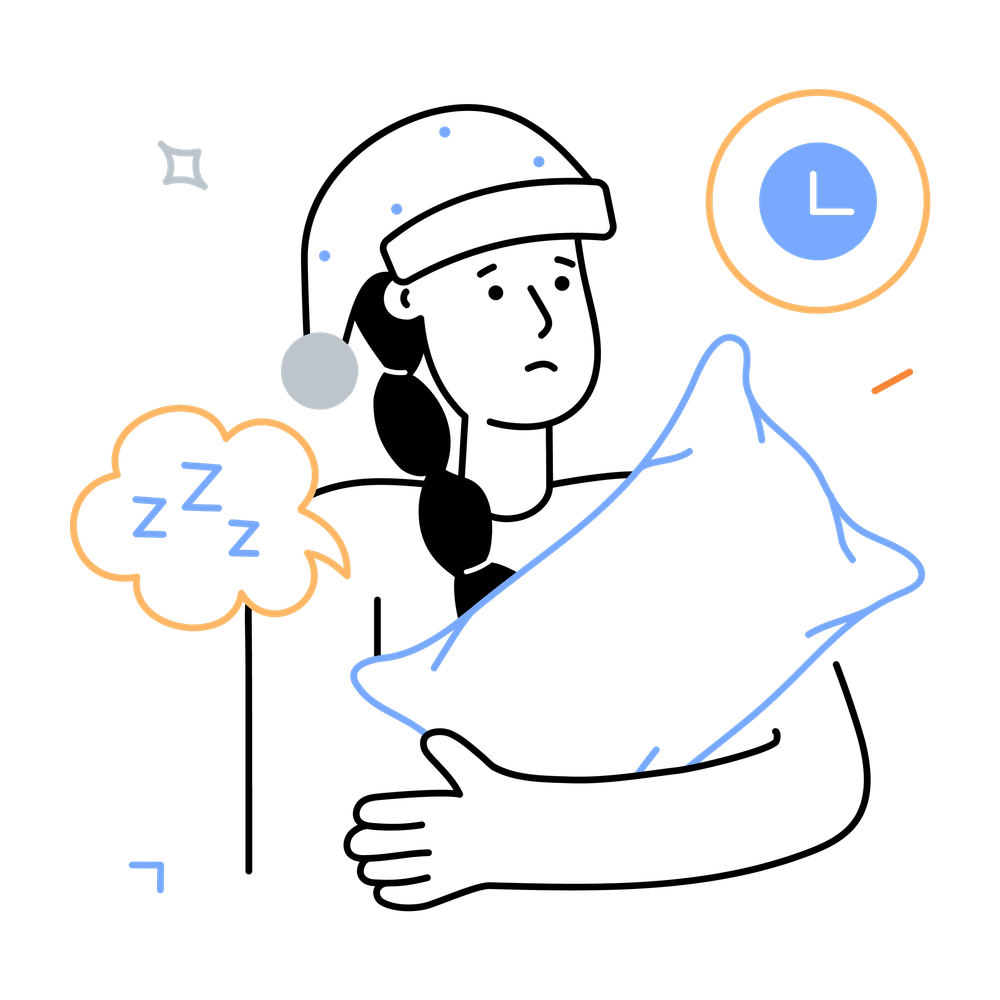
When insomnia persists, irritability may become chronic, as the nervous system stays overactivated instead of returning to a calm baseline.

When insomnia persists, trouble focusing may become chronic, affecting productivity, confidence, and overall daily functioning.
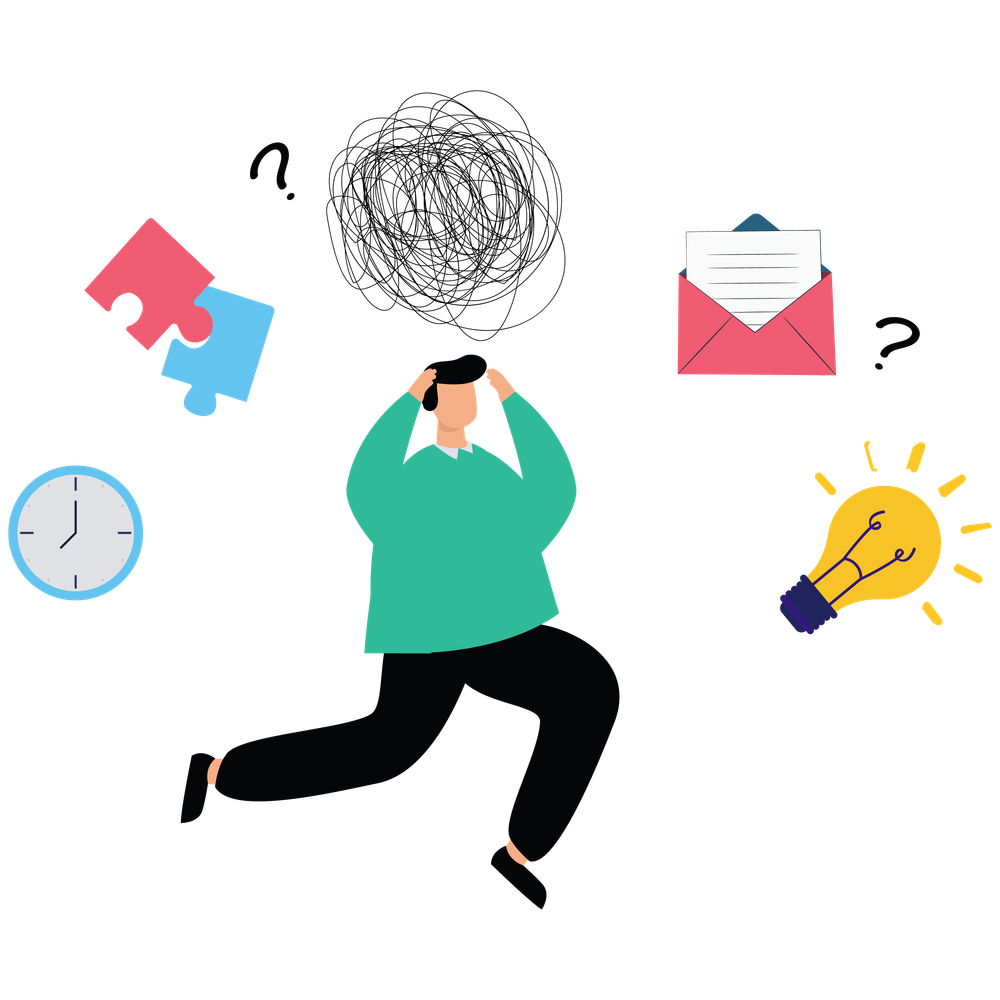
When insomnia persists, careless mistakes may become more common, affecting productivity, confidence, and overall daily functioning.

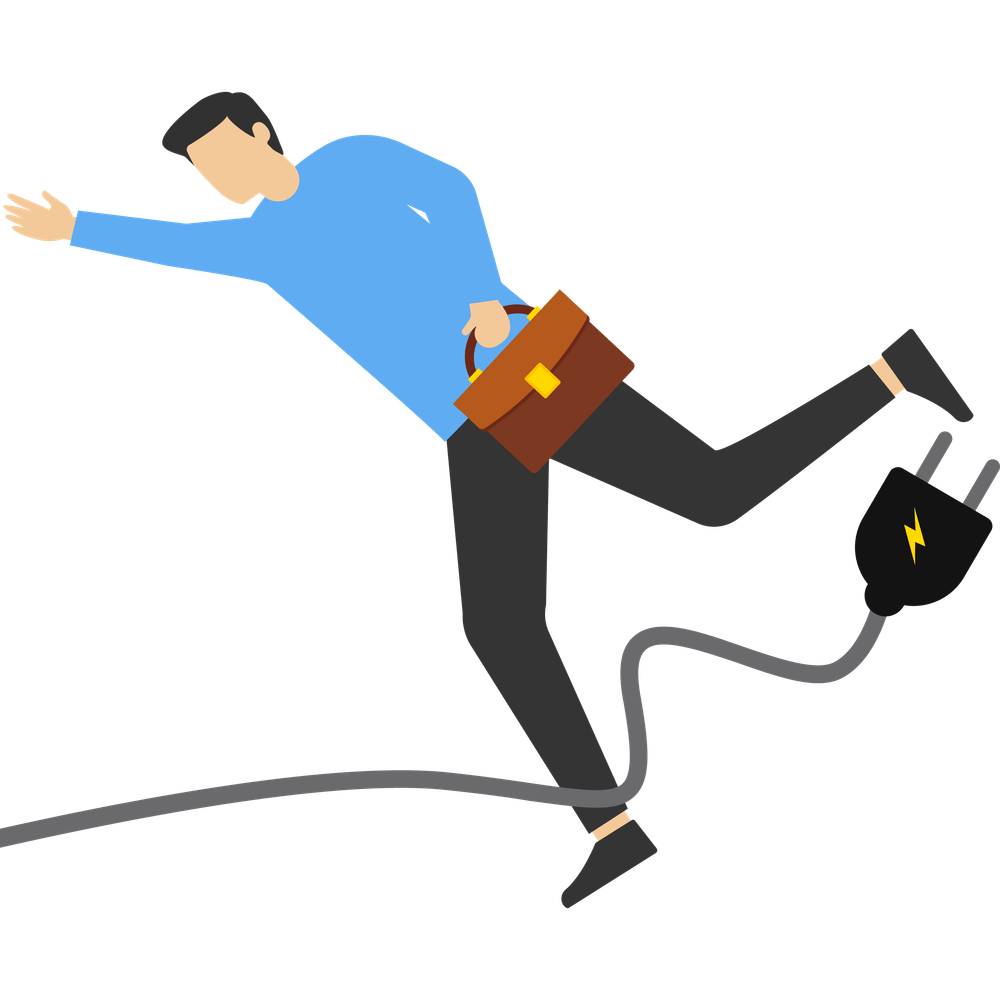
When insomnia persists, delayed reflexes may become more noticeable, affecting safety, productivity, and confidence in daily activities.
Exercise usually improves sleep, but timing matters. Intense workouts late evening can keep heart rate and temperature elevated, delaying sleep onset. If you notice this, shift hard sessions earlier and reserve evenings for lighter movement like walking or stretching. Morning exercise plus morning light is a powerful pairing for circadian alignment. If nights are restless, avoid experimenting with new intense routines close to bedtime. The goal is to use movement as a signal for healthy fatigue, not a trigger for late arousal. If you love evening training, extend the cooldown and finish with a warm shower.
Delray Beach nights can drift into scrolling which keeps the brain alert long after you turn off the phone. Make a screen cutoff that feels realistic such as thirty to sixty minutes before bed. Put the charger outside the bedroom or across the room so the bed is not a scrolling zone. Replace the habit with low stimulation options a paper book a simple puzzle or calm music. If you wake at night avoid grabbing the phone. Content and light both signal daytime and can restart insomnia quickly for hours.
We offer medication management for mental health conditions such as ADHD, anxiety, depression, insomnia, and bipolar disorder.
ADHD may cause challenges with organization, where clutter builds easily and planning feels exhausting, even though the desire for structure is very real.
For many people, anxiety feels like tension beneath the surface, where the body braces for impact even when nothing is actually happening.
For many individuals, depression feels like carrying invisible weight, where thinking clearly becomes difficult and everything feels distant or unreal.
For many, bipolar disorder feels like emotional weather changing quickly, where moods shift from stormy lows to bright but intense highs.
In Delray Beach, people often carry mental to-do lists into bed. This cognitive arousal can prevent sleep even when the body is tired. A strategy is writing down unfinished tasks earlier in the evening and deciding one actionable next step. Reducing screen engagement and focusing on calming routines like reading or gentle stretching signals the nervous system to relax. Over time, the mind learns that nighttime is for rest, not problem-solving, easing sleep onset.
Yes. Late evening fluids, especially caffeine or large volumes, can increase nighttime awakenings. Residents may wake to use the bathroom or experience heightened alertness from caffeine. Adjusting hydration to earlier in the day, limiting evening caffeine, and using lighter drinks at night can reduce these interruptions. Combining this with a steady bedtime routine helps maintain continuous sleep and reduces frustration caused by repeated micro-awakenings or difficulty falling asleep after brief awakenings.
Temperature, light, and noise all affect sleep quality. Delray Beach residents may find that small adjustments—like keeping the room slightly cool, using breathable bedding, or introducing a subtle white noise—reduce awakenings. A comfortable, predictable environment helps the body enter deeper sleep stages and prevents micro-arousals. Pairing environmental tweaks with calming pre-sleep routines signals safety to the nervous system and supports more continuous, restorative sleep without needing medications or drastic interventions.
Yes. Repeated awakenings can occur even with adequate sleep pressure, often due to environmental or psychological triggers. Residents may wake multiple times without realizing it, leaving them unrefreshed. Strategies like dimming lights, masking noise with white noise, and avoiding clock checking can reduce these episodes. Gentle breathing or short mindful exercises help the body relax again. Over weeks, the nervous system associates nighttime with safety, reducing frequent awakenings and improving overall sleep quality.
Yes. Sleeping in or staying up later than usual shifts the circadian rhythm, making falling asleep on workdays harder. In Delray Beach, this “social jet lag” can prolong sleep latency. Maintaining a consistent wake time every day, exposing yourself to morning light, and limiting evening stimulation helps stabilize rhythm. Short, early naps may be used if needed. Predictable schedules strengthen sleep drive and improve both sleep onset and nighttime continuity.
Anticipatory anxiety about sleep or the next day can worsen insomnia. Residents may lie awake worrying about lost sleep or upcoming obligations, keeping the nervous system active. Techniques like journaling earlier in the evening, setting aside worry time, and practicing calming routines help shift attention away from problem-solving. Over time, the brain learns that bedtime is safe and not a period for mental calculation, which reduces pre-sleep tension and improves the likelihood of falling asleep naturally.
Reviewed by Mind Mechanic Clinical Oversight
Last updated: January 28, 2026

