Several FDA-approved medications have been clinically proven to improve feelings of worry and nervousness. Learn more in our detailed anxiety medication guide.
Our mission is to offer affordable anxiety care that prioritizes access, trust, and steady communication. We provide quick scheduling and direct messaging with your provider, so you can ask questions and receive guidance between visits. Anxiety often comes with fluctuating symptoms, so we monitor progress closely and personalize treatment based on real outcomes. Traditional care can feel fragmented, but we focus on continuity and clarity. Our goal is support that reduces stress, strengthens coping, and helps you feel more secure in your daily routine. We aim to make each step feel calmer, clearer, and more manageable. We’re here to provide Anxiety treatment and other mental health services in Boynton Beach, FL.
Anxiety can present itself in many different ways. There are many signs and symptoms to watch out for.
Excessive worry is common in anxiety because the brain struggles to shut off, continuously replaying thoughts and questions without reaching resolution.
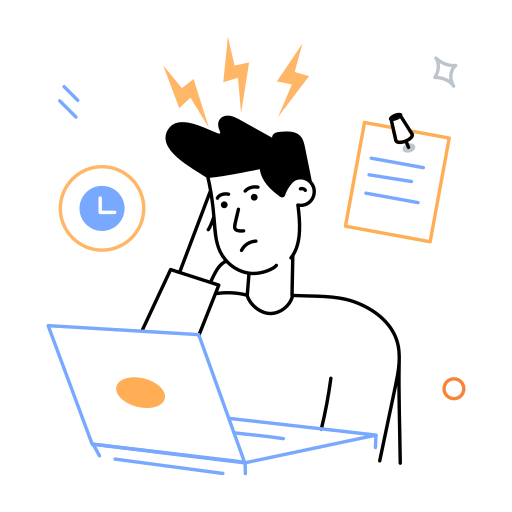
Restlessness associated with anxiety may show up as pacing, shifting positions, or fidgeting without conscious awareness.
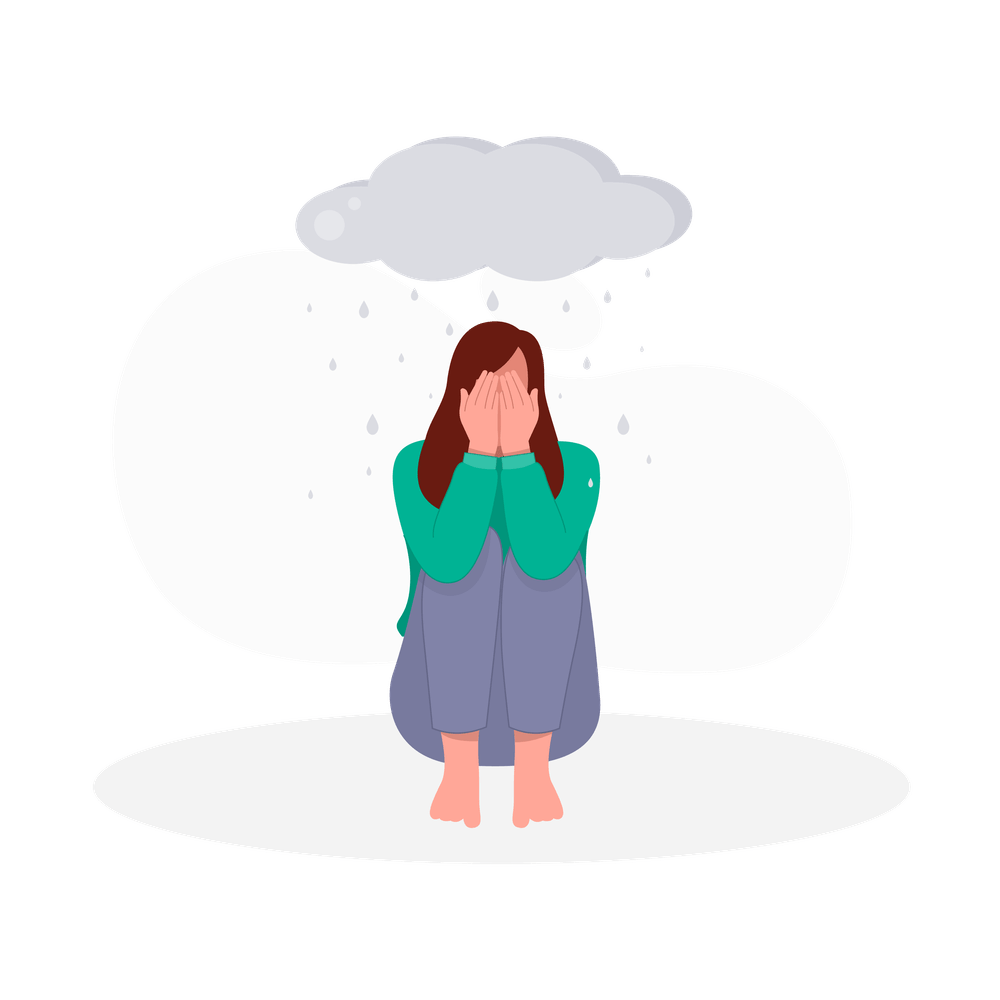
A rapid heartbeat associated with anxiety often reflects the nervous system staying in a heightened state of alertness.
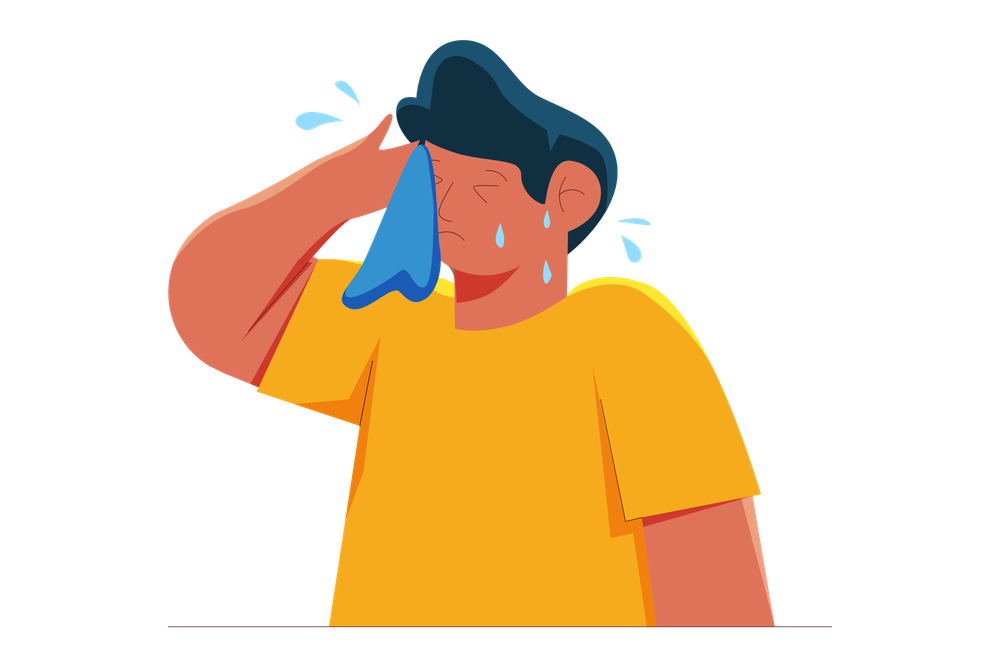
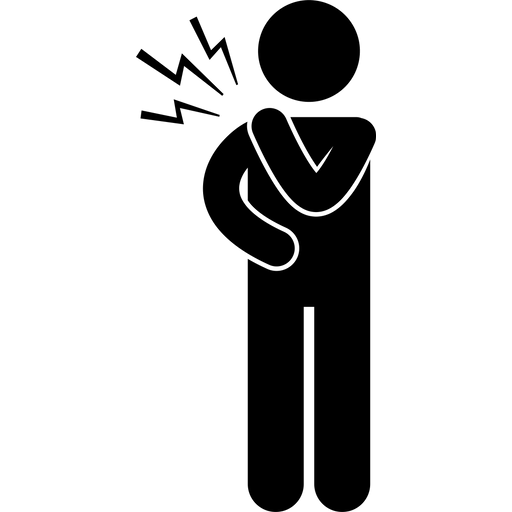
Muscle soreness associated with anxiety often affects the neck, shoulders, or back where tension commonly accumulates.
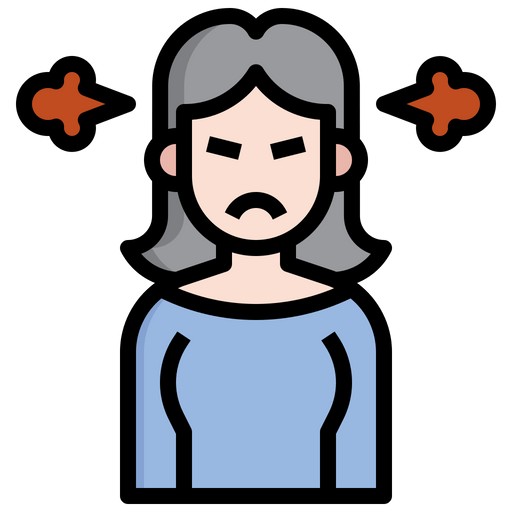
Irritability associated with anxiety often reflects emotional exhaustion rather than anger toward specific people or situations.
Anxiety increases when tasks are vague and endless. Create clarity with a three item plan. Choose one must do task, one quick win, and one self care action. Break the must do into the next physical step, not the whole project. Set a timer for twenty five minutes, then pause for two minutes. This method reduces overwhelm and builds momentum. If your mind jumps ahead, return to the next step. Write a short done list at the end of the day so your brain stops scanning for unfinished threats. Clarity turns noise into manageable steps.
Boynton Beach families often juggle school, work, and community responsibilities, which can increase anxiety when schedules feel crowded. Worry may show up as irritability, restlessness, or trouble sleeping. Helpful strategies include building predictable routines, setting realistic daily priorities, and planning small recovery breaks. Outdoor movement and morning light can reduce stress. Therapy supports emotional regulation and teaches tools for rumination. Small consistent changes help families feel calmer and more resilient over time.
We offer medication management for mental health conditions such as ADHD, anxiety, depression, insomnia, and bipolar disorder.
ADHD can make listening uneven: you catch the big ideas, miss the small details, then feel embarrassed when someone expects you to remember the part your brain filtered out.
It can make your home feel accusatory: laundry piles, dishes linger, and each unfinished task becomes evidence that you’re failing, even though you’re simply overwhelmed.
Relationships may feel intensely connected during highs, with rapid bonding and big promises, then strained during lows, when isolation and self criticism make communication harder for everyone.
Insomnia is a night shift you didn’t apply for, working overtime in your head while your body lies still, collecting fatigue like unpaid invoices every single night.
Boynton Beach families often manage school schedules work demands errands and nonstop responsibilities. Anxiety can build quietly when there is never a true pause. Instead of panic, it may feel like constant tension, impatience, or difficulty shutting your mind off. The nervous system stays in a mild fight or flight state. Creating small daily recovery moments, simplifying commitments, and setting boundaries helps. Therapy can support long term stress regulation and emotional balance.
Many people assume anxiety always looks like fear, but it often shows up as frustration. In Boynton Beach, anxiety may appear as feeling overstimulated, reacting strongly to small problems, or becoming short tempered at home. This happens when the body is already carrying hidden stress. Instead of self blame, focus on regulation: food, rest, hydration, and fewer demands. Therapy helps identify triggers and reduce the background anxiety that fuels irritability.
Health anxiety involves becoming overly focused on physical sensations and fearing something serious is wrong. In Boynton Beach, people may notice chest tightness, dizziness, or stomach discomfort and immediately worry about worst case outcomes. This often leads to repeated checking or reassurance seeking. A healthier approach is learning to label symptoms as stress responses, practicing grounding, and using structured medical care when appropriate. Therapy can help break the cycle of fear and constant scanning.
Yes, many people struggle to relax even when life slows down. In Boynton Beach, someone may finally have free time but still feel restless or guilty for not being productive. Anxiety can treat rest as unsafe because the mind wants control through constant planning. Learning to practice intentional relaxation, without multitasking, helps retrain the nervous system. Therapy can support shifting from survival mode into genuine recovery and presence.
Decision fatigue happens when the brain makes too many choices all day, leading to overwhelm. In Boynton Beach, juggling work family meals errands and schedules can make even small decisions feel exhausting. Anxiety increases when everything feels urgent or uncertain. Reducing optional decisions helps: create simple routines, plan ahead, and use default choices. Structure lowers mental load. Therapy can also help with perfectionism and fear of making mistakes.
Support is important, but anxiety can worsen when someone relies on constant reassurance. In Boynton Beach, healthy care focuses on building coping skills, not avoiding every discomfort. Therapy teaches how to tolerate uncertainty, respond calmly to physical stress signals, and reduce avoidance behaviors. Medication may help some individuals when symptoms are severe. The goal is confidence and independence, so anxiety no longer controls daily life or decisions.
Reviewed by Mind Mechanic Clinical Oversight
Last updated: January 28, 2026
