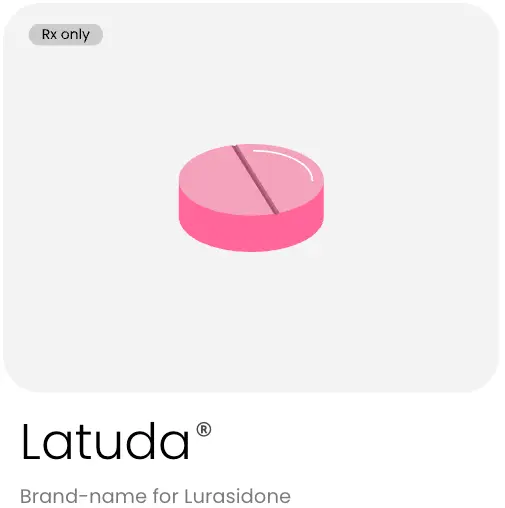
Several FDA-approved medications have been clinically proven to improve mood stability. Learn more in our detailed bipolar medication guide.
Our practice exists to provide accessible psychiatric support for bipolar disorder, with care built around communication and consistency. We offer timely appointments, direct messaging, and personalized treatment plans designed to meet your changing needs. Bipolar disorder can affect energy, mood, and daily life, so close follow-up and thoughtful management are essential. We work to remove barriers found in traditional mental health systems, replacing them with responsive, affordable care. Our mission is to help you feel supported, stable, and understood throughout your journey. We’re here to provide Bipolar Disorder treatment and other mental health services in Boca Raton, FL.
Bipolar disorder can present itself in many different ways. There are many signs and symptoms to watch out for.
Emotional instability is a symptom in bipolar disorder that can make feelings harder to manage, especially during transitions between depressive and manic phases.
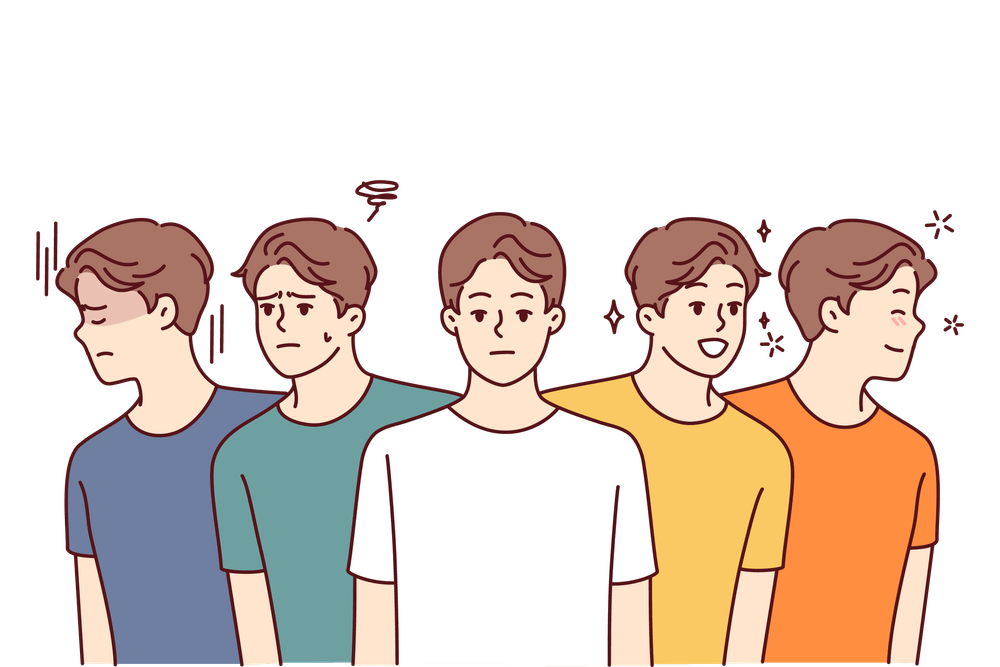
Manic states in bipolar disorder can lead to impulsive actions, rapid speech, and heightened emotions, often requiring careful monitoring and support.
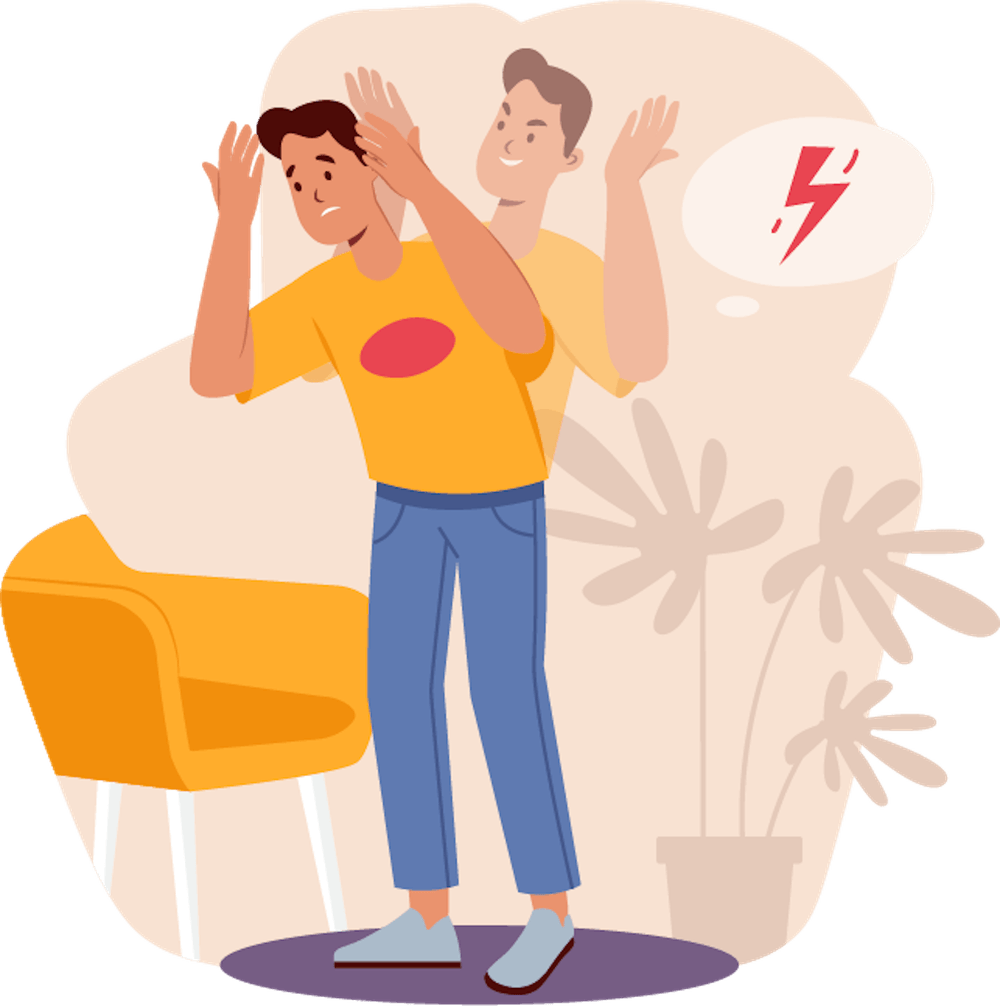
Bipolar depression can disrupt appetite, causing overeating or loss of interest in food, reflecting how mood changes affect the entire body.
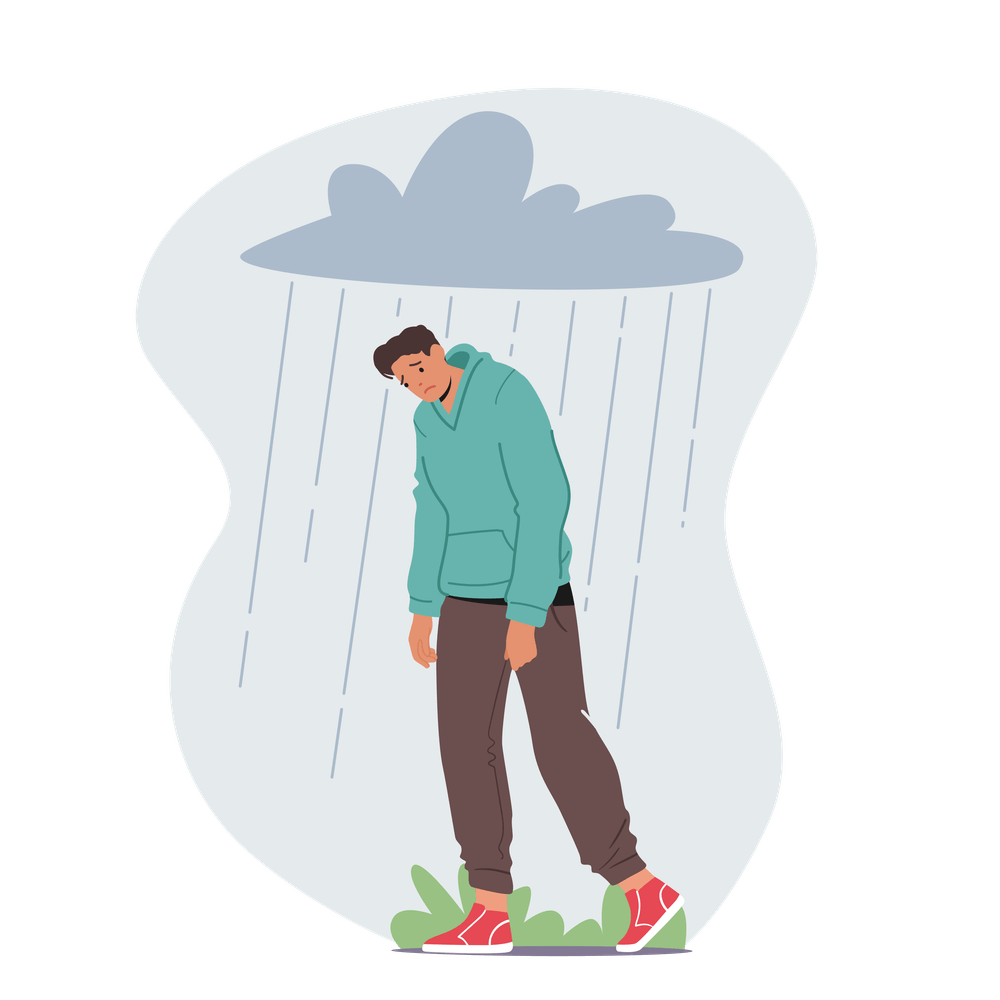
Recklessness in bipolar disorder may include argumentative confrontations, where irritability and boldness combine to create social or legal problems.

In bipolar disorder, impulsivity may lead to thrill-seeking behaviors, reflecting heightened reward sensitivity and a craving for stimulation.

Bipolar disorder treatment in Boca Raton is typically centered on long-term medication management to reduce mood cycling and protect stability. Episodes may involve depressive lows or periods of elevated mood, reduced need for sleep, impulsivity, or irritability. Psychiatric care often includes mood stabilizers or atypical antipsychotic medications, selected based on episode history and symptom severity. Adjustments are made gradually, with close attention to sleep regulation, side effects, and relapse prevention. Because bipolar disorder varies significantly between individuals, treatment is highly personalized. The focus remains on maintaining consistent functioning and preventing disruptive shifts that can affect relationships, work, and daily life.
Mood swings are not always bipolar disorder, even when they feel intense. Stress, sleep loss, hormones, substance use, ADHD, anxiety, grief, and medical issues can all cause mood to fluctuate. Bipolar disorder is typically marked by distinct episodes, including major depression and periods of hypomania or mania. Those elevated phases usually bring sustained changes such as less need for sleep, increased goal-directed activity, faster speech, riskier decisions, or unusual confidence lasting days or longer. Everyday mood shifts tend to be shorter, more situational, and do not include prolonged activation. A careful timeline of sleep, behavior, and episode duration is key to telling the difference and choosing the right medication approach.
We offer medication management for mental health conditions such as ADHD, anxiety, depression, insomnia, and bipolar disorder.
ADHD impacts the brain’s ability to regulate focus and impulses. Adults may have trouble staying attentive, controlling distractions, and completing tasks, even when they understand what needs to be done.
Anxiety is a condition of heightened worry and nervous system activation. It can cause physical symptoms such as tension, rapid heartbeat, and difficulty calming intrusive thoughts.
Depression involves persistent emotional heaviness and reduced ability to experience pleasure. It often affects energy, motivation, sleep patterns, and concentration over extended periods.
Insomnia refers to difficulty achieving restorative sleep, whether from delayed sleep onset or frequent awakenings. Chronic insomnia can contribute to daytime fatigue and mood instability.
We do not currently accept insurance, and insurance is not required to begin care. Mind Mechanic Psychiatry is designed as a low-cost self-pay option at $39 per month. We also accept HSA and FSA cards.
The subscription covers ongoing psychiatric support, follow-up appointments when needed, medication management, and access to provider communication between visits. Many adults in Boca Raton find this model more convenient than traditional office-based care.
No. Our practice does not currently offer psychotherapy. We focus on psychiatric care and medication treatment, though many patients benefit from combining care with an outside therapist.
No. Prescription medications must be filled separately at a pharmacy. Providers cannot dispense medications directly, so prescriptions are sent to your chosen pharmacy where discounts or insurance may help reduce cost.
Yes. Controlled psychiatric medications may be prescribed when medically necessary and clinically appropriate. Treatment decisions are individualized and include careful monitoring.
The free consultation is a secure telehealth evaluation where you’ll meet with a licensed provider to discuss symptoms, goals, and treatment options. If you proceed, prescriptions can be sent to your local pharmacy right away.
Currently, Mind Mechanic Psychiatry treats adults only and does not provide care for children or adolescents.
Yes. Treatment is structured as a monthly plan to support consistent follow-ups, prescription coordination, and continued provider access without unexpected billing.
Reviewed by Mind Mechanic Clinical Oversight
Last updated: January 28, 2026
