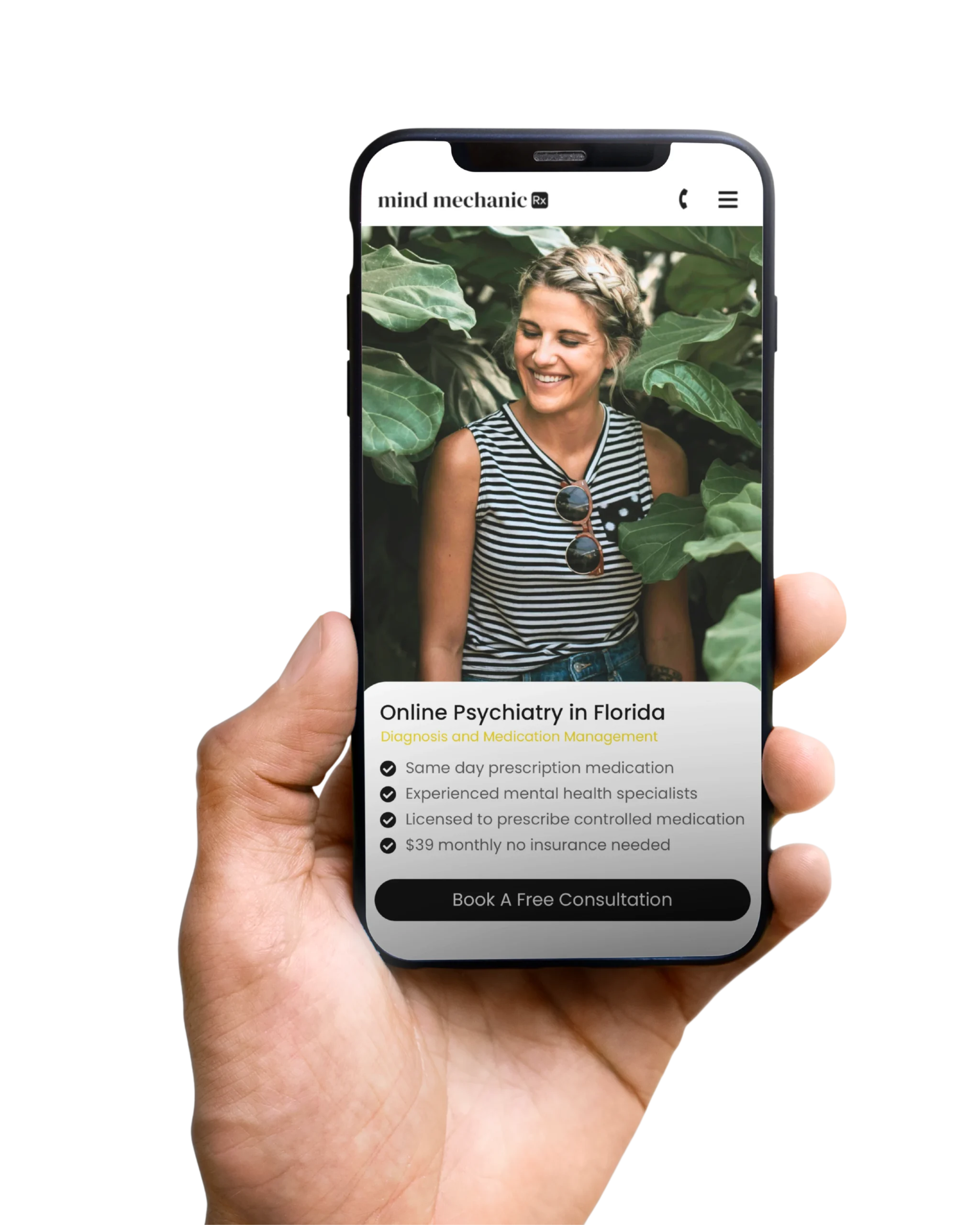
We offer online mental health medication management for residents of Miami-Dade County, FL. Although our services are fully virtual, we provide treatment only to those residing in specific areas.
Mental health care in Miami-Dade County, Florida often reflects the region’s strong multilingual and multicultural population. We provide online psychiatric care across many Florida service regions. Many residents speak languages other than English at home, which can influence how symptoms are described and understood. Effective mental health treatment benefits from clear communication, cultural awareness, and sensitivity to different backgrounds and experiences. Providers frequently adapt care to ensure patients feel heard and understood, regardless of language or cultural norms. When communication is clear and respectful, individuals are more likely to engage in treatment, follow recommendations, and experience meaningful improvement in emotional well-being over time.
Miami-Dade County’s dense urban environment can introduce mental health stressors tied to traffic congestion, long work hours, and fast-paced lifestyles. Noise, crowded living conditions, and constant stimulation may contribute to anxiety, sleep disruption, or emotional fatigue. Many residents balance demanding careers with family obligations, leaving limited time for rest or self-care. Mental health care in the area often focuses on stress management, routine stabilization, and improving emotional regulation. Addressing these urban stressors through structured treatment and consistent follow-up can help individuals maintain balance, improve daily functioning, and prevent long-term burnout.
We offer medication management for mental health conditions such as ADHD, anxiety, depression, insomnia, and bipolar disorder.
ADHD impacts attention regulation and can lead to forgetfulness, disorganization, or impulsive decisions. With proper guidance, individuals can build focus and stronger routines.
Anxiety can create constant unease, racing thoughts, or fear of worst-case outcomes. Care helps people manage triggers and regain calm.
Depression can affect mood, energy, and enjoyment of life. Treatment may involve therapy, lifestyle changes, or medication to support recovery.
Bipolar disorder causes mood shifts that may disrupt relationships and routines. Ongoing care helps maintain stability and prevent extremes.
Insomnia is repeated difficulty getting quality sleep, often leading to daytime fatigue. Effective treatment improves both sleep habits and mental wellness.
Florida’s environment can shape mental health needs in subtle ways. Heat, humidity, and frequent weather disruptions may affect sleep patterns, energy levels, and stress tolerance. These factors can worsen symptoms of anxiety, depression, or insomnia for some individuals. Mental health care in Florida often considers environmental influences when developing treatment plans, helping patients adjust routines, manage stress, and maintain emotional stability despite climate-related challenges.
Mental health conditions rarely affect everyone the same way, which is why individualized treatment is essential. In Florida, providers often tailor care based on symptoms, lifestyle, medical history, and personal goals. Treatment may include medication, therapy referrals, or structured follow-up plans. Personalization helps improve effectiveness, reduce side effects, and support long-term progress rather than applying a one-size-fits-all approach to emotional or behavioral concerns.
Anxiety and depression are among the most commonly treated mental health conditions in Florida. Treatment often includes a combination of medication management, therapy, and lifestyle support. Medications may help regulate mood and stress responses, while therapy can provide coping strategies and emotional insight. Providers typically monitor progress over time and adjust care as symptoms change, helping individuals improve daily functioning and overall quality of life.
Follow-up appointments are a critical part of mental health treatment. They allow providers to evaluate symptom changes, monitor medication effectiveness, and address side effects or new concerns. In Florida, where schedules and stressors can change quickly, regular follow-up helps keep treatment aligned with current needs. Ongoing communication supports better outcomes by ensuring care remains responsive, consistent, and focused on long-term emotional stability.
Mental health care can help address difficulties with concentration, focus, and mental clarity. These symptoms are often linked to conditions such as ADHD, anxiety, depression, or chronic stress. Treatment may involve medication, behavioral strategies, or adjustments to daily routines. Improving focus can lead to better work performance, academic success, and reduced frustration, making mental health support valuable even when symptoms seem primarily cognitive.
Mental health care is not limited to crisis situations. Many people in Florida seek care for ongoing stress, emotional fatigue, sleep issues, or difficulty coping with daily responsibilities. Early support can prevent symptoms from worsening and help individuals build resilience. Mental health treatment can be proactive, supporting balance, productivity, and emotional well-being before problems significantly disrupt personal or professional life.
Reviewed by Mind Mechanic Clinical Oversight
Last updated: January 28, 2026
