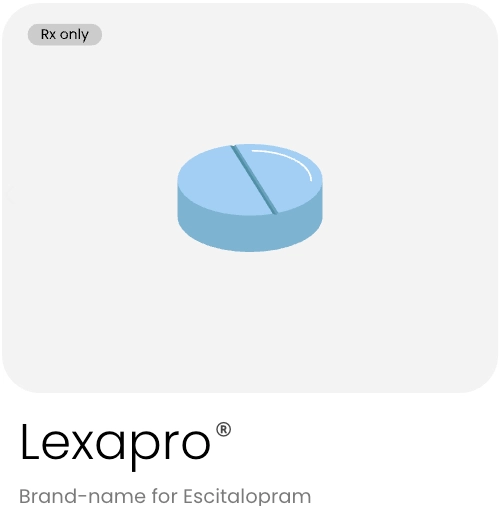
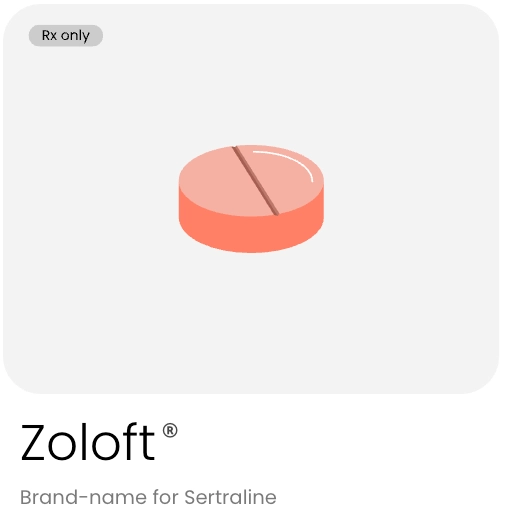
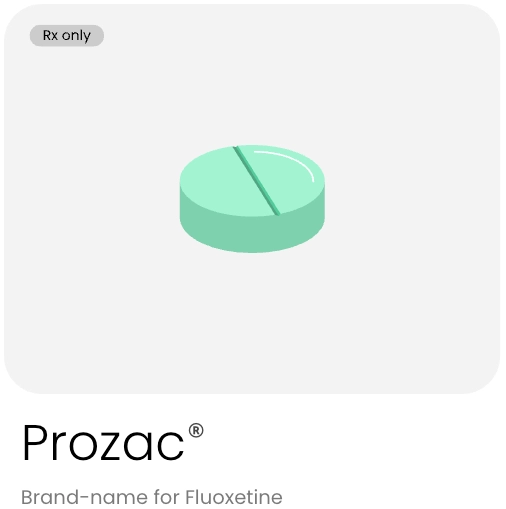
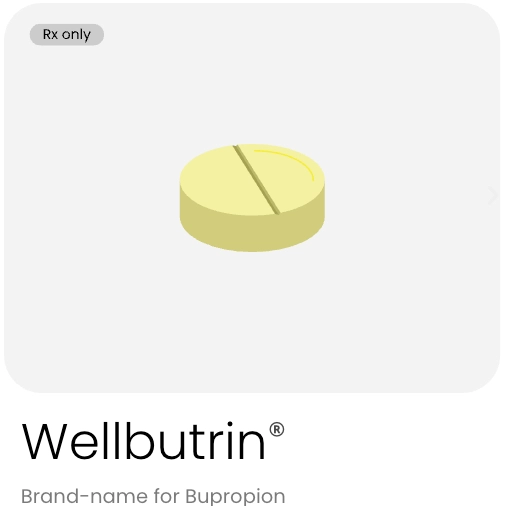
Several FDA-approved medications have been clinically proven to improve feelings of sadness. Learn more in our detailed depression medication guide.
We are committed to making depression care accessible, affordable, and focused on real connection. Depression can feel like a heavy burden, which is why we provide timely appointments and direct messaging with your provider. Patients receive personalized support without navigating long waitlists or impersonal systems. Our approach emphasizes ongoing monitoring and individualized treatment plans that fit your life. Our mission is to help you find relief, rebuild emotional strength, and move toward brighter, healthier days with consistent guidance. We’re here to provide Depression treatment and other mental health services in Wilton Manors, FL.
Depression can present itself in many different ways. There are many signs and symptoms to watch out for.
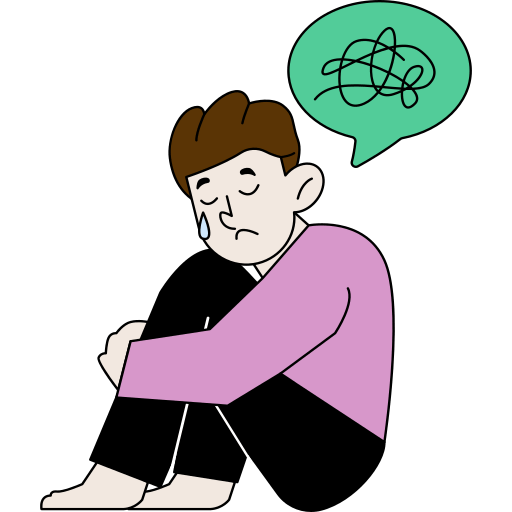
Depression may intensify anxious hopelessness by dulling joy, so even small opportunities feel meaningless and the future seems closed off.
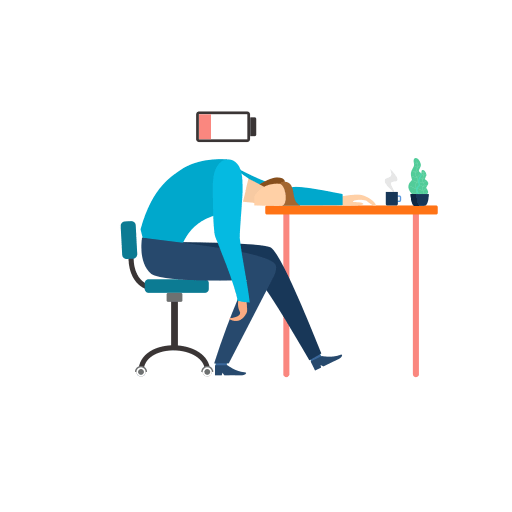
Low energy may accompany depression when the nervous system feels slowed, reducing alertness and making daily life seem harder to manage.
Sleep changes in depression sometimes involve vivid dreams or restless sleep, leaving someone feeling unsettled even after many hours in bed.
Depression-related difficulty focusing often leads to frustration, since people may feel they should be able to concentrate but cannot.

Depression-related irritability can worsen guilt, as people may feel they are becoming someone they don’t recognize in daily interactions.
Medication can support depression, but expectations matter. Some people feel relief gradually, like a dimmer switch, not a sudden change. Side effects may appear before benefits, which can be discouraging. Tracking sleep, appetite, energy, and mood weekly helps you notice trends. Medication works best alongside therapy, routines, and reduced stress. If symptoms worsen or side effects feel severe, contact your clinician promptly. Medication is a tool, not a personality change. The goal is creating enough stability so you can reengage with life
Wilton Manors has vibrant community energy, but depression can make someone feel disconnected even when surrounded by people. Recovery often involves gentle reconnection without forcing social performance. Start with manageable steps, such as a brief outing, a supportive therapy session, or one honest conversation. Depression improves when isolation decreases and routines return. Focus on small wins rather than dramatic change. Therapy can help reduce shame and rebuild confidence. Over time, community becomes a source of support rather than a reminder of distance.
We offer medication management for mental health conditions such as ADHD, anxiety, depression, insomnia, and bipolar disorder.
ADHD can create “interest-based” attention, where engagement comes easily with novelty or pressure, but fades fast when tasks feel repetitive, slow, or unclear.
Anxiety can amplify small uncertainties into big alarms, turning a delayed text or minor ache into a spiral of interpretations that feel urgent and impossible to ignore.
Bipolar disorder often arrives in episodes rather than constant mood, with stretches of feeling “normal” between shifts, which can make the pattern hard to recognize early on.
For many, insomnia feels like being trapped between exhaustion and alertness, unable to fully drift or fully relax into sleep.
Wilton Manors has a strong sense of community and activity, yet depression can still create deep disconnection. Someone may be surrounded by life while feeling emotionally distant or numb inside. Depression often reduces the ability to feel pleasure and belonging, which can make social spaces feel unreal or exhausting. The goal is not forcing constant engagement, but finding small supportive connection points. Therapy helps rebuild emotional presence gradually.
Depression often attacks self worth, making people question their value or place in the world. In Wilton Manors, someone may feel like they do not belong or that they are failing internally despite outward stability. These thoughts are symptoms, not truths. A helpful practice is labeling depressive beliefs as illness driven distortions. Therapy supports rebuilding identity through compassion and realistic thinking. Recovery involves reconnecting with values and community rather than believing depression defines who you are.
Yes, depression can make social interaction feel draining rather than energizing. In Wilton Manors, someone may avoid events not because they dislike people, but because emotional capacity feels low. Depression reduces motivation and makes conversation feel effortful. A helpful approach is choosing small low pressure contact instead of full social immersion. Brief outings or short conversations keep connection alive. Over time, energy often returns as mood improves and isolation decreases.
Many people cope by staying busy or appearing upbeat. In Wilton Manors, depression may be masked through humor, constant activity, or social performance. This can delay support because others assume everything is fine. High functioning depression often involves surviving on autopilot while feeling empty inside. Recognizing that appearance does not equal wellness is important. Therapy provides a space to be honest without performing. Recovery begins when people allow support instead of hiding symptoms.
Depression often creates quiet distance. In Wilton Manors, someone may stop replying, cancel plans, or feel emotionally unavailable, which loved ones may misinterpret as rejection. In reality, depression can cause numbness and exhaustion. Small honest communication helps reduce misunderstanding, even one sentence acknowledging struggle. Supportive routines and patience protect relationships. Therapy can guide individuals in rebuilding connection while managing symptoms so depression does not silently widen gaps.
Recovery is not a sudden return to happiness. In Wilton Manors, progress often looks like small reengagement, attending one appointment, taking a short walk, reaching out to a trusted person. Depression improves through repetition of basics: sleep rhythm, nourishment, movement, and connection. Setbacks do not erase progress. Therapy helps reduce shame and hopeless thinking. Over time, community becomes supportive again, and life expands beyond depression’s narrow lens.
Reviewed by Mind Mechanic Clinical Oversight
Last updated: January 28, 2026

