Several FDA-approved medications have been clinically proven to improve sleep patterns. Learn more in our detailed insomnia medication guide.
Our mission is to make insomnia treatment more accessible, personal, and effective. Sleep difficulties can impact mental health deeply, so we offer affordable care with timely appointments and direct communication with your provider. Instead of navigating long waitlists or barriers, patients receive close monitoring and individualized plans designed around their lifestyle. We focus on modern, supportive psychiatry that meets you where you are. Our goal is to help you rebuild healthier sleep patterns and improve daily life through responsive, compassionate care. We’re here to provide insomnia treatment and other mental health services in Weston, FL.
Insomnia can present itself in many different ways. There are many signs and symptoms to watch out for.
Insomnia may lead to waking up tired because the brain misses essential REM and deep sleep, which are critical for mental and physical recovery.
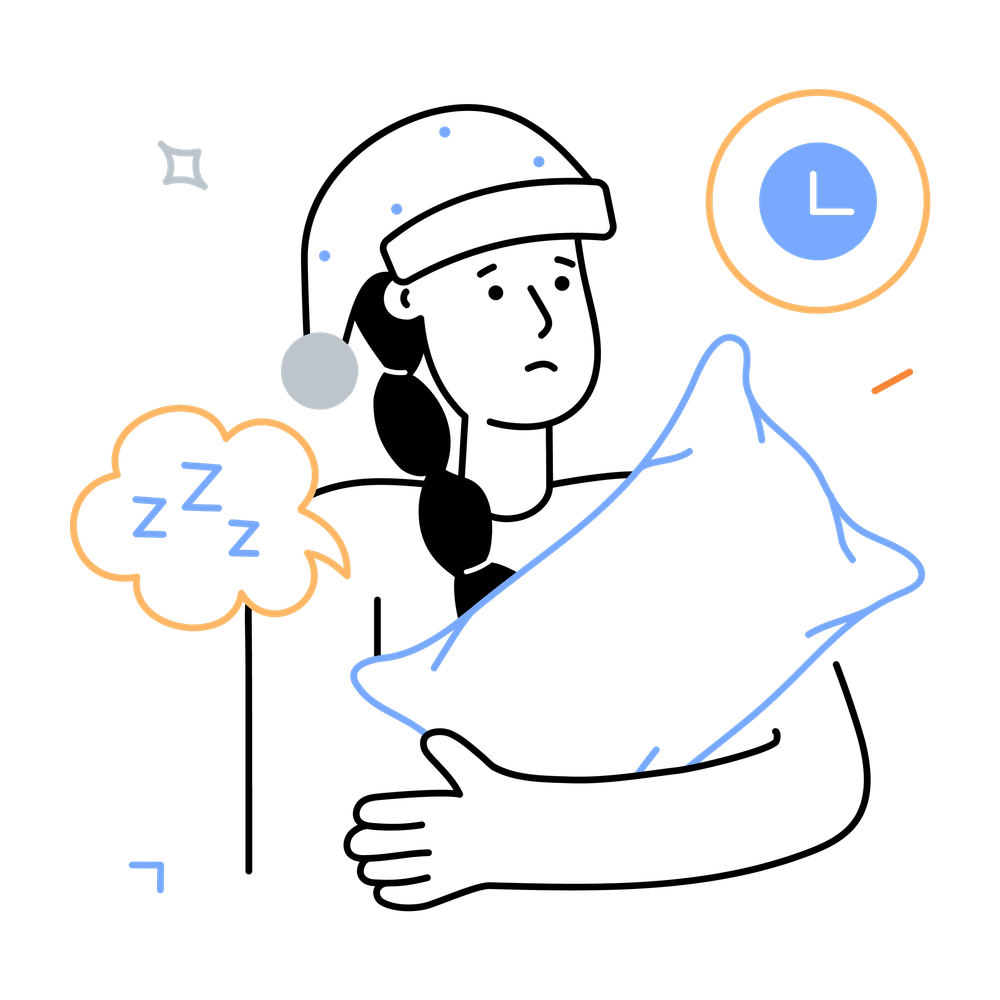
Insomnia often increases irritability because the mind feels foggy, making concentration difficult and frustrations more likely to build quickly.
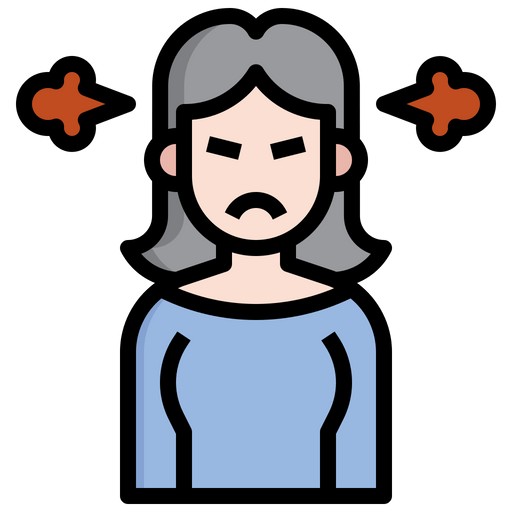
Insomnia often causes trouble focusing because sleep loss affects executive functioning, making planning, decision-making, and attention more difficult.
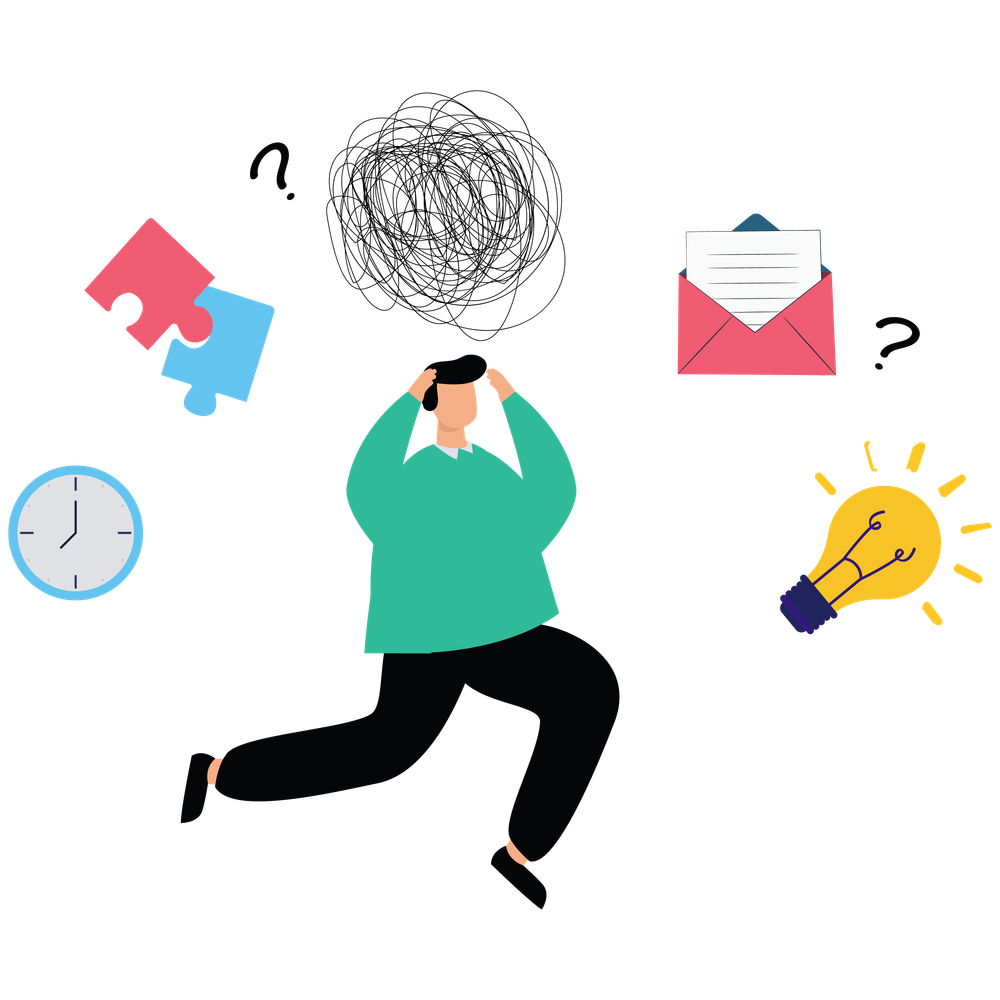
Insomnia often contributes to careless mistakes because sleep loss affects working memory, making it easier to forget steps or miss key information.

Insomnia often contributes to delayed reflexes because sleep loss affects attention, coordination, and the nervous system’s responsiveness.
Light is the remote control for your circadian rhythm. Morning light tells your brain to start the day clock, which helps sleep arrive earlier the next night. Aim for outdoor light soon after waking, even if it is cloudy. In the evening, dim indoor lights and reduce bright screens to signal night. If you must use screens, lower brightness and avoid scrolling content that spikes emotion. Consistent light timing can shift sleep by thirty to sixty minutes within weeks. Combine it with a steady wake time for the strongest effect. Treat evening light like spice, a little is fine, a lot changes the dish.
Weston residents sometimes overlook how much comfort affects sleep continuity. A room that is too warm can increase awakenings. Aim for a cooler bedroom, breathable bedding, and a consistent sleep environment. A warm shower an hour before bed can help the body cool afterward. If you wake often, check for overheating or uncomfortable pillows. Small physical adjustments can reduce micro awakenings and improve sleep depth without needing dramatic changes.
We offer medication management for mental health conditions such as ADHD, anxiety, depression, insomnia, and bipolar disorder.
Many with ADHD struggle with procrastination, not from lack of care, but because initiating tasks can feel mentally overwhelming without immediate reward or urgency.
Anxiety may lead to avoidance, where places, conversations, or responsibilities feel overwhelming, even though the person deeply wants to participate.
Depression may cause withdrawal, making social interaction exhausting, as the mind convinces itself that connection is pointless or burdensome.
Bipolar disorder may impact relationships, as mood shifts can affect communication, decision-making, and the ability to maintain steady emotional connection.
In Weston, stress and daily demands can create a state where the body is tired but the mind is alert. This mismatch keeps people awake despite fatigue. Techniques like slow exhale breathing, progressive muscle relaxation, or gentle stretching can help signal safety to the nervous system. Dim lighting and a brief wind-down ritual reduce stimulation. Over time, these practices help the body and brain align, making it easier to fall asleep naturally without forcing it.
Yes. Weston residents who sleep in or change their wake times frequently may confuse their internal clock. Even small variations shift circadian rhythm, making it harder to feel sleepy at night. Keeping a consistent wake time daily, combined with exposure to morning light, helps anchor sleep. Avoid chasing extra hours of sleep in the morning; this preserves sleep pressure for the next night. Regularity in timing gradually improves sleep onset and duration.
Screens and bright lights can delay melatonin and keep the brain alert. Weston residents using phones, laptops, or TVs close to bedtime may struggle to fall asleep. Avoiding screens or using dim settings with minimal engagement thirty to sixty minutes before bed helps. Replace screen time with low-stimulation activities like reading, journaling, or soft music. Creating a predictable wind-down signals that night is for rest and allows the nervous system to relax for a more consistent sleep cycle.
Yes. Temperature, bedding, and airflow affect sleep quality. Weston residents may wake multiple times if the room is too warm or sheets trap heat. Using breathable bedding, maintaining a slightly cool room, and taking a warm shower an hour before bed to encourage cooling can improve sleep continuity. Even minor adjustments often reduce micro-awakenings and create deeper rest without needing medication. Sleep is influenced by both the mind and physical comfort.
Yes. Worrying about whether you will sleep or how tired you’ll be tomorrow increases nighttime alertness. In Weston, people may lie in bed rehearsing problems or calculating lost hours. Addressing anxiety earlier in the evening with journaling or planning reduces this pre-sleep load. If awake at night, avoid clock checking and focus on neutral sensory cues. Gradually, sleep becomes less tied to worry, and bedtime loses its anticipatory stress, allowing the nervous system to settle more easily.
A subtle indicator is tension at the thought of bedtime. Weston residents may feel dread or heightened awareness before even lying down. This anticipatory stress perpetuates insomnia. Strategies include separating stress from sleep time, creating a calming pre-bed routine, dim lighting, and gentle grounding exercises. Over time, the brain relearns that bed is safe. Reducing emotional load at night is often more effective than simply trying to fall asleep harder or earlier.
Reviewed by Mind Mechanic Clinical Oversight
Last updated: January 28, 2026

