Several FDA-approved medications have been clinically proven to improve feelings of sadness. Learn more in our detailed depression medication guide.
We are dedicated to offering depression-focused mental health care that is accessible and patient-centered. Depression can make it difficult to ask for help, which is why we provide timely appointments and affordable services. Patients can message their provider directly, fostering a sense of connection and personalized support. Instead of dealing with complicated systems or long waitlists, we offer straightforward care designed around your needs. Our mission is to help you regain emotional balance, motivation, and hope through consistent treatment. We’re here to provide Depression treatment and other mental health services in Weston, FL.
Depression can present itself in many different ways. There are many signs and symptoms to watch out for.
In depression, hopelessness may appear as anxiety spins worst-case scenarios, making it difficult to trust that life can improve with time.
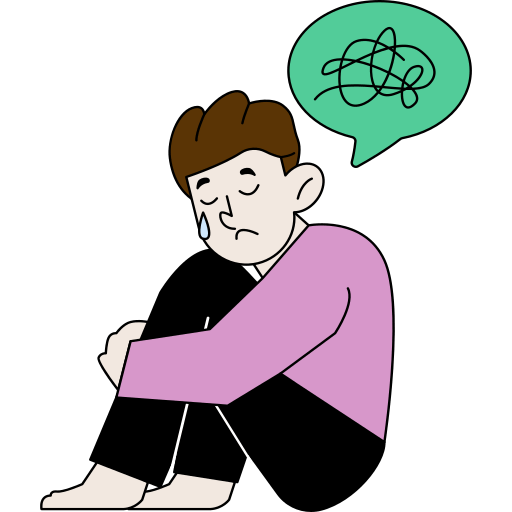
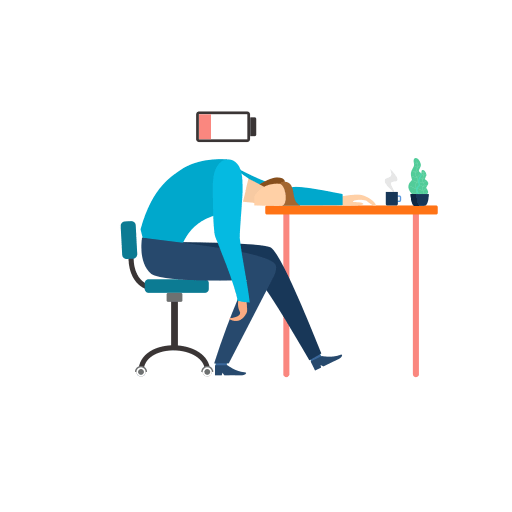
Low energy in depression sometimes leads to withdrawal, as fatigue makes social interaction and conversation feel overwhelming.
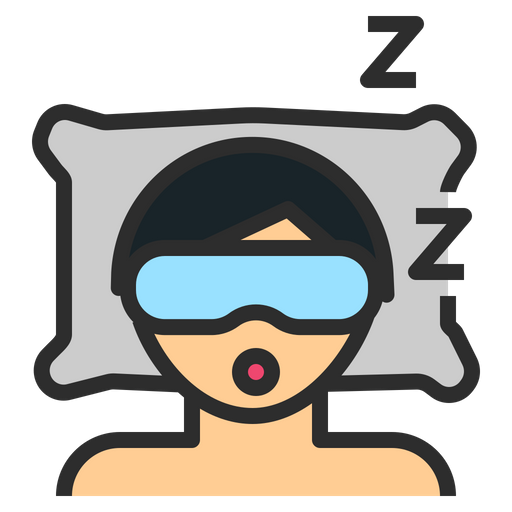
Sleep changes may occur in depression when emotional numbness makes it hard to feel comfort, even during quiet nighttime hours.
Difficulty focusing may be a symptom of depression when even enjoyable hobbies feel hard to concentrate on or finish.

With depression, irritability can be linked to feeling helpless, where frustration builds because nothing seems to improve despite effort.

Depression often speaks in a cruel inner voice that would never be used on a friend. Self compassion is not pretending everything is fine, it is responding to pain with care. Try a three line practice: This is hard, I am not alone in suffering, I can take one small step. Speak to yourself in a steady tone, not a motivational speech. Compassion reduces the threat response that keeps depression stuck. With practice, kindness becomes a tool that creates space for action and healing
Weston’s achievement focused culture can contribute to depression when pressure becomes constant. Depression may appear as emotional numbness, exhaustion, or feeling like nothing is enough. High standards can turn into self criticism during low mood. A helpful shift is redefining success as sustainability, not nonstop output. Rest becomes part of recovery, not a failure. Therapy can help challenge perfectionism and rebuild meaning. Depression improves when routines include downtime, connection, and realistic expectations.
We offer medication management for mental health conditions such as ADHD, anxiety, depression, insomnia, and bipolar disorder.
ADHD can make listening tricky, because your mind races ahead, interrupts, or drifts, even when you care deeply about the person speaking.
Anxiety may attach to health, money, relationships, or work, but the common thread is constant tension and a hard-to-shake belief that danger is near.
During manic states, bipolar disorder can bring racing ideas, heightened goal pursuit, agitation, and impaired judgment, sometimes leading to conflict, financial strain, or unsafe decisions quickly.
Insomnia may appear as trouble falling asleep, waking repeatedly, or feeling wide awake long before the alarm, no matter how tired you are.
Weston is often achievement oriented, and depression can hide when people keep performing outwardly. Someone may look successful while feeling internally empty, exhausted, or disconnected. High functioning depression often involves pushing through without joy and fearing that slowing down means failure. Recognizing this pattern matters because support is delayed when symptoms are invisible. Recovery includes redefining success as sustainability, building rest into life, and allowing help before burnout becomes collapse.
In Weston, high standards can become a trap when depression lowers energy. Perfectionism then turns into harsh self criticism and the feeling of never doing enough. This cycle increases hopelessness and withdrawal. A helpful shift is focusing on progress rather than flawless outcomes. Small achievable goals protect motivation. Therapy can help challenge rigid expectations and rebuild self worth beyond performance. Depression often improves when people learn that rest and balance are not weaknesses, but necessities.
Yes, depression is not always quiet sadness. In Weston, some people experience depression as impatience, frustration, or emotional reactivity. When the nervous system is depleted, small stressors feel bigger. Families may misinterpret irritability as attitude rather than a symptom. Understanding this reduces blame and opens space for support. Recovery involves reducing overload, protecting sleep, and addressing underlying mood symptoms through therapy or treatment. Emotional softness often returns as depression lifts.
Depression in teens often appears as withdrawal, low motivation, or loss of interest rather than obvious sadness. In Weston, adolescents may struggle with academic pressure, social comparison, and identity stress. They may stop participating, become irritable, or seem indifferent. This is often misunderstood as laziness. Early support matters. Therapy provides coping tools and a safe place to talk. Depression improves when teens feel understood rather than judged for their symptoms.
Depression can create emotional distance without visible conflict. In Weston, someone may still attend events and meet obligations while feeling detached inside. Loved ones may sense something is off but not know why. Depression reduces emotional availability and can make connection feel effortful. Honest small communication helps, even brief statements of struggle. Therapy supports rebuilding intimacy by reducing shame and helping individuals reconnect with themselves and others over time.
Recovery is rarely a sudden transformation. In Weston, meaningful improvement often looks like small shifts, more energy, fewer hopeless thoughts, greater willingness to engage, and reduced avoidance. Setbacks do not erase progress. Depression improves through steady routines, sleep protection, nourishment, movement, and supportive care. Therapy helps challenge negative thinking and perfectionism patterns. Over time, life becomes less narrow, and depression loses its sense of permanence.
Reviewed by Mind Mechanic Clinical Oversight
Last updated: January 28, 2026

