Several FDA-approved medications have been clinically proven to improve mood stability. Learn more in our detailed bipolar medication guide.
We provide compassionate care for bipolar disorder with a focus on accessibility, affordability, and consistent support. Our mission is to help patients receive timely appointments and direct provider communication, ensuring treatment feels connected and personal. Bipolar disorder often requires careful monitoring and individualized plans are essential. We work to eliminate traditional obstacles like long waitlists and endless phone calls. Instead, we offer responsive psychiatric care designed to help you feel understood, supported, and guided toward stability in everyday life. We’re here to provide Bipolar Disorder treatment and other mental health services in Weston, FL.
Bipolar disorder can present itself in many different ways. There are many signs and symptoms to watch out for.
Emotional instability in bipolar disorder can affect decision-making, as shifting moods may influence motivation, energy, and outlook from one moment to the next.
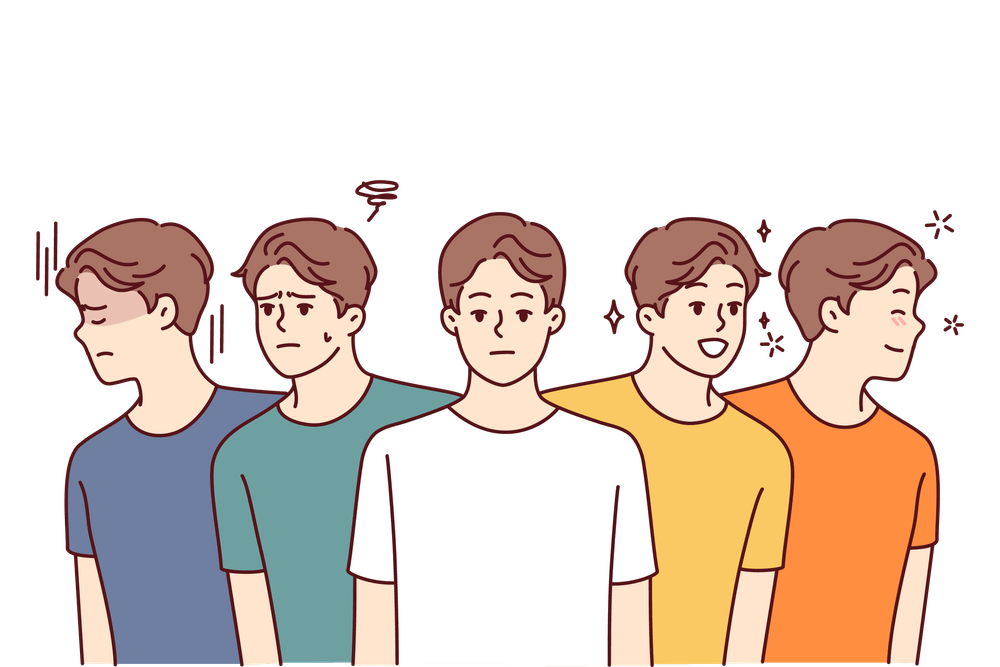
Mania is central to bipolar disorder, bringing surges of energy and mood elevation that may interfere with safe choices and healthy routines.
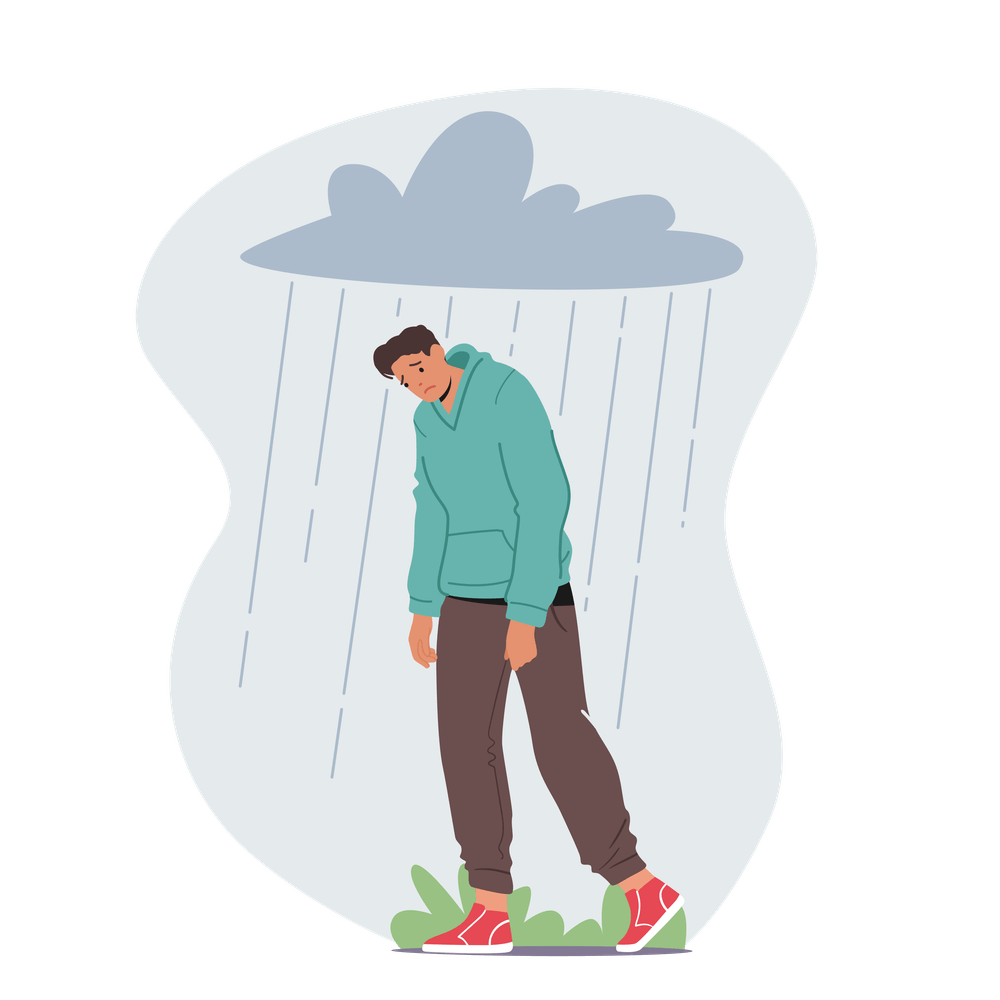
Depressive symptoms in bipolar disorder can include slowed movement and speech, creating a sense of being stuck in both mind and body.
Reckless driving or thrill-seeking activities may reflect manic energy in bipolar disorder, where excitement becomes prioritized over long-term well-being.

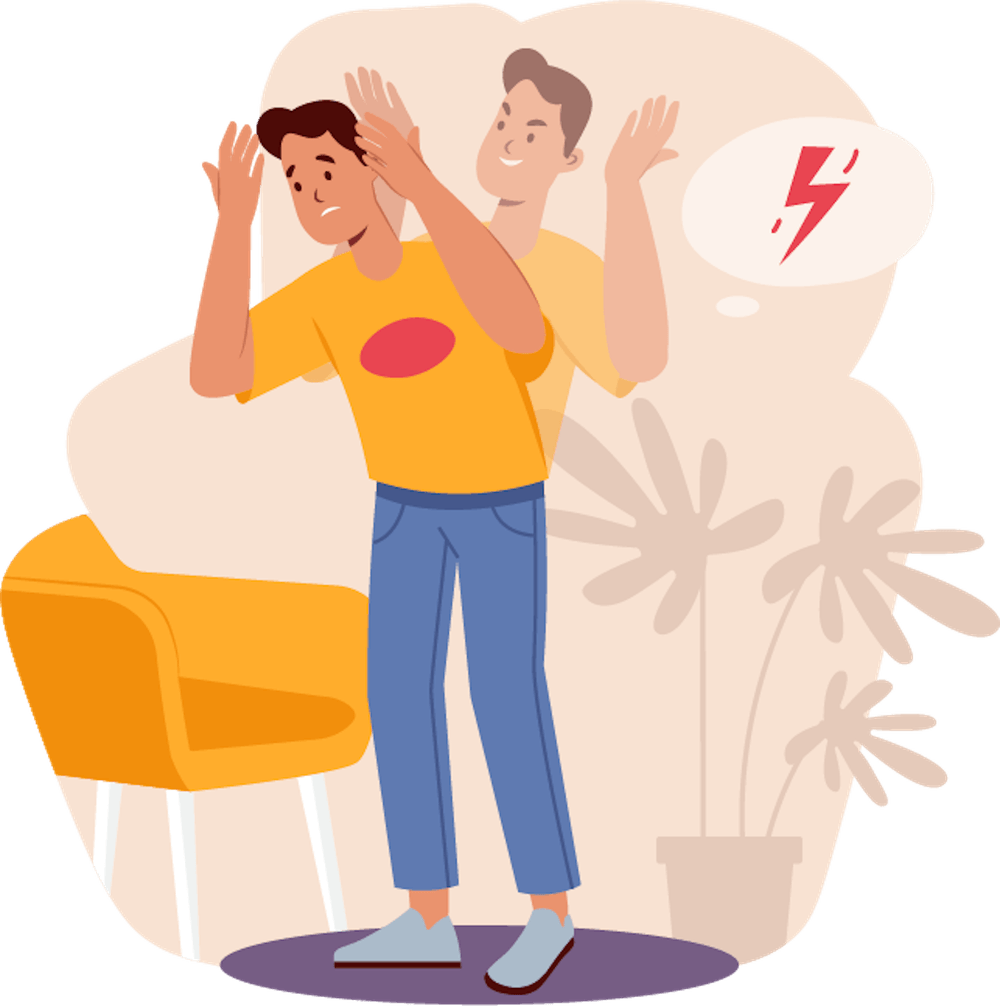
Impulsivity in bipolar disorder can affect communication, leading to sudden texts, calls, or messages that may feel inappropriate afterward.

Alcohol cannabis and other substances can complicate bipolar disorder. Substances may disrupt sleep increase impulsivity and interfere with medication effectiveness. Some people use substances to calm agitation or lift depression but the rebound effect can worsen mood instability. If you notice a pattern of using during early warning signs consider alternative coping tools like exercise structured rest or calling a support person. Track how substance use affects sleep the next day. Harm reduction steps include limiting frequency avoiding mixing substances and planning sober recovery days. Honest discussions with a clinician can improve safety without judgment
In Weston some people notice bipolar symptoms shift with seasons. Energy may rise in spring and summer while mood may dip in darker months. Tracking mood sleep and activity across the year can reveal patterns linked to light travel schedule changes or holiday stress. If you notice seasonal risk create extra structure during those times. Protect bedtime reduce late night stimulation and monitor spending urges. During low mood seasons schedule daily movement and connection even if motivation is low. Sharing patterns with your clinician helps prevention planning and timely treatment adjustments before symptoms worsen
We offer medication management for mental health conditions such as ADHD, anxiety, depression, insomnia, and bipolar disorder.
Many with ADHD struggle with procrastination, not from lack of care, but because initiating tasks can feel mentally overwhelming without immediate reward.
Anxiety may cause avoidance, where certain places, conversations, or responsibilities feel overwhelming, even when the person deeply wants to engage normally.
Depression may cause withdrawal, making social interaction exhausting, as the mind convinces itself that connection is pointless or burdensome.
Insomnia may cause frustration and irritability, as lack of rest affects mood, patience, and the ability to handle daily stress.
Weston is home to many driven professionals and students, and high achievement can sometimes mask bipolar warning signs. Elevated mood may look like nonstop productivity, while depression may be hidden behind quiet withdrawal. The key is noticing shifts from your baseline, such as reduced sleep, racing thoughts, or loss of interest in routines. Building consistent schedules, limiting overcommitment, and checking in with a clinician early helps prevent mood episodes from quietly growing.
Sleep is one of the strongest mood stabilizers for bipolar disorder. In Weston, late work nights, screen time, or busy family evenings can push bedtime later. Try creating a wind down ritual: dim lights, avoid caffeine after midday, and keep the same wake time daily. If you feel energized but cannot sleep, reduce stimulation rather than starting new tasks. Protecting sleep is not optional, it is a core part of relapse prevention.
Parenting already brings emotional highs and lows, and bipolar disorder can intensify that experience. In Weston, families often balance school schedules, activities, and responsibilities, which can add pressure during mood shifts. Planning helps: create backup childcare options, communicate early warning signs with a partner, and prioritize treatment consistency. During depression, small supportive routines matter. During elevated moods, slowing down decisions protects stability. Family support works best when it is structured and compassionate.
Teens often notice mood changes even if adults avoid the topic. In Weston, a helpful approach is calm and factual language: bipolar disorder involves shifts in mood and energy that are treatable with support. Emphasize that it is not anyone’s fault and that routines, therapy, and sometimes medication help people live full lives. Invite questions and avoid dramatic labels. Honest conversations reduce stigma and help teens recognize when to seek help.
Stability comes from predictable rhythms. In Weston, consistent meals, regular exercise, and planned downtime can reduce vulnerability to mood swings. Avoiding alcohol and recreational drugs is important, since substances can worsen episodes or interfere with medication. Many people benefit from mood tracking apps, mindfulness practices, and setting limits on late night social or work demands. Lifestyle changes are not cures, but they strengthen treatment and help prevent relapse.
Urgent care is needed when symptoms become dangerous or rapidly escalate. In Weston, seek immediate help if someone has suicidal thoughts, severe agitation, hallucinations, reckless behavior, or cannot sleep for several nights with rising energy. These may signal a serious episode requiring emergency evaluation. Contact a crisis line, reach your psychiatrist, or go to the nearest emergency department. Acting early protects safety and often shortens recovery time.
Reviewed by Mind Mechanic Clinical Oversight
Last updated: January 28, 2026
