Several FDA-approved medications have been clinically proven to improve feelings of worry and nervousness. Learn more in our detailed anxiety medication guide.
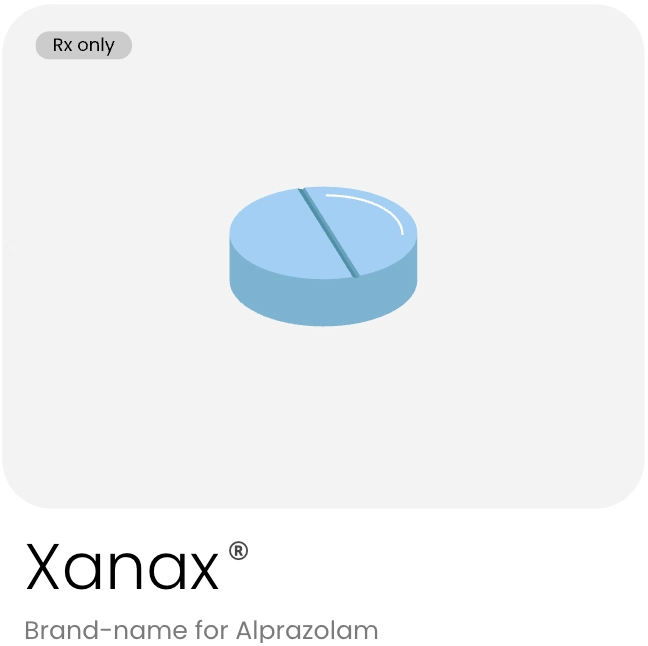
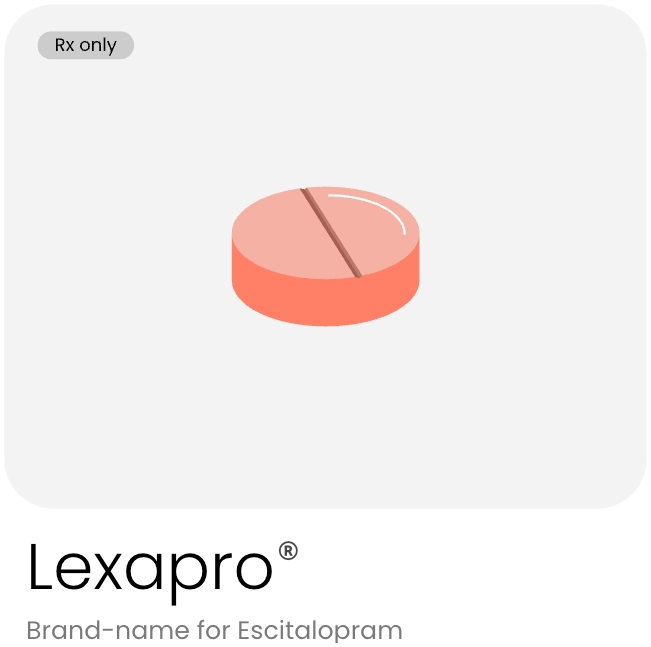
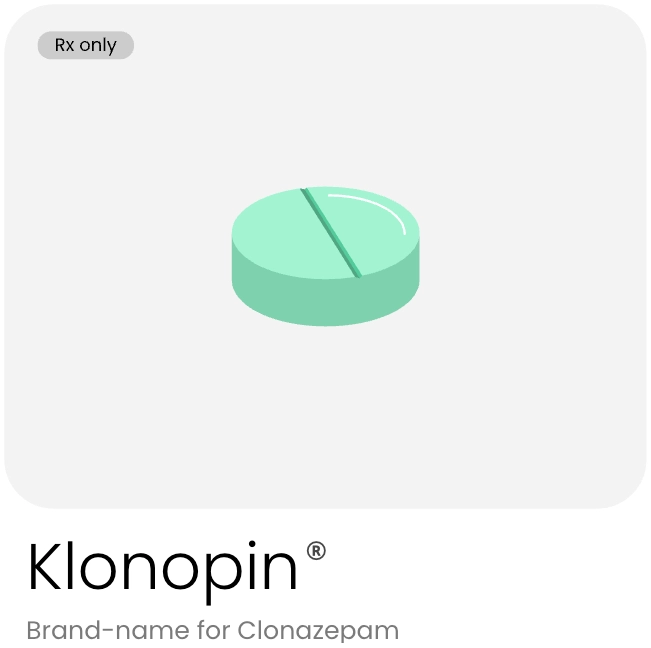
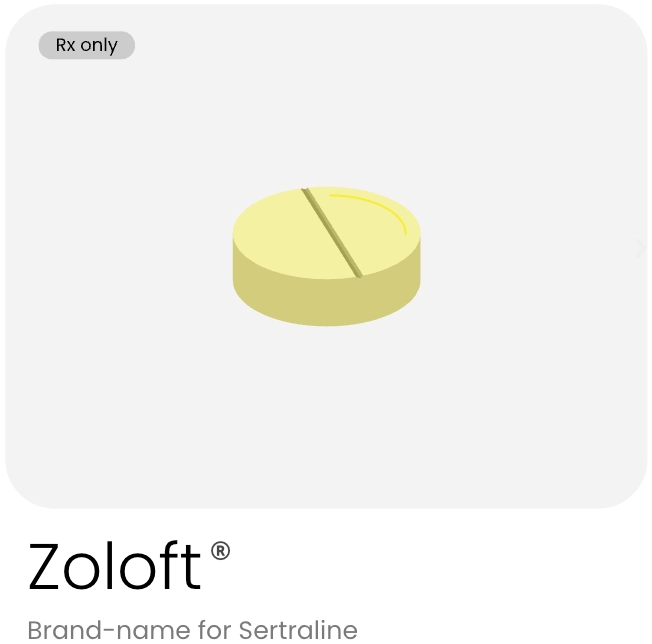
Our mission is to help patients manage anxiety with care that is straightforward, affordable, and responsive at every step. We offer timely appointments and direct provider messaging because anxiety questions can feel urgent and personal. Rather than placing distance between patients and clinicians, we build a monitored treatment relationship with clear goals. We follow symptoms over time, adjust plans thoughtfully, and prioritize education so you understand your options. By removing delays and unnecessary steps, we keep support close and practical when stress rises. We check in often, so progress never feels like guesswork. We’re here to provide Anxiety treatment and other mental health services in Weston, FL.
Anxiety can present itself in many different ways. There are many signs and symptoms to watch out for.
Anxiety-related worry often feels uncontrollable, making calm thoughts difficult to access even during routine, low stress moments.
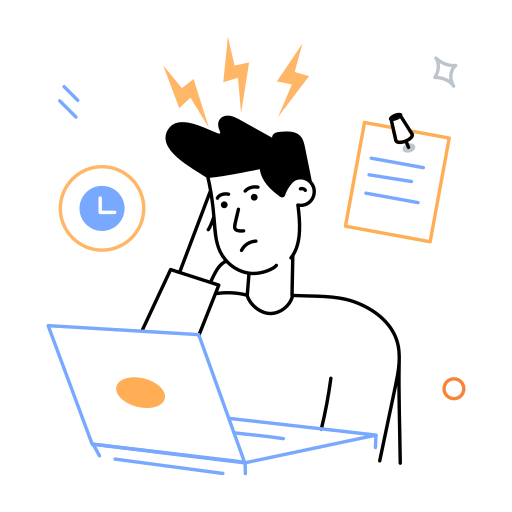
With anxiety, restlessness may come and go unpredictably, leaving the body feeling unsettled and constantly on edge.
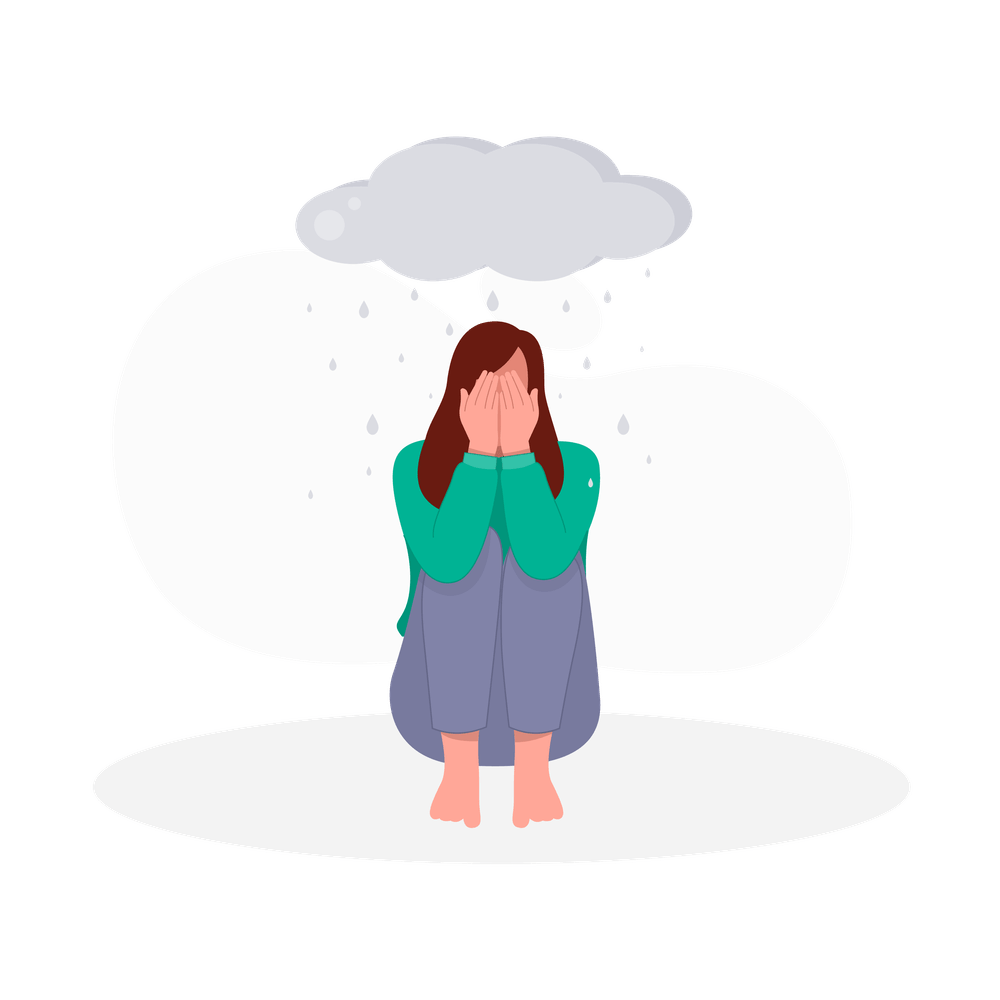
A fast heart rate from anxiety is a common physical response, reflecting the body’s stress system activating repeatedly.
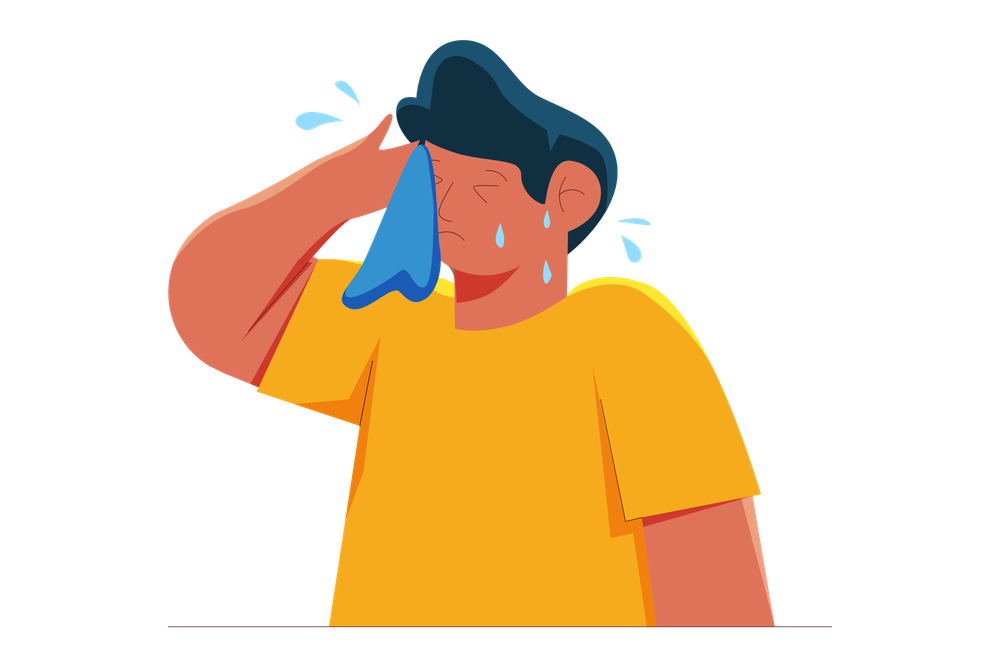
Muscle soreness associated with anxiety often improves once stress levels decrease and relaxation becomes possible.

Anxiety can amplify emotional responses, turning everyday stress into noticeable irritability.
Long days without pauses keep the nervous system stuck in high gear. Microbreaks are tiny resets you can do anywhere. Every hour, stop for thirty seconds and notice your feet on the ground, your breath, and the temperature of the air. Let your shoulders drop and unclench your hands. Look at something far away to relax your eyes. These small moments prevent stress from stacking into anxiety surges. Think of it as clearing browser tabs for your brain. Set a gentle timer until it becomes a habit. Tiny pauses add up like compound interest.
Weston is home to many high achieving students and professionals, and anxiety can hide behind productivity. Perfectionism, overcommitment, and constant pressure may lead to sleep disruption and chronic worry. Helpful strategies include setting realistic goals, practicing good enough standards, and scheduling true rest. Therapy can teach coping skills for performance anxiety and rumination. Protecting routines like regular exercise and consistent bedtime reduces vulnerability. Balanced expectations allow achievement without constant stress.
We offer medication management for mental health conditions such as ADHD, anxiety, depression, insomnia, and bipolar disorder.
ADHD can make emotions arrive fast and loud, like music turned up suddenly, so frustration, excitement, and shame hit harder and fade slower than you expect.
It’s moving through the day underwater, where conversations require extra breath, your body feels heavy, and every step seems to resist, even on familiar ground.
Sleep can be the first domino: reduced need for rest may signal mood elevation, while oversleeping or insomnia can accompany lows, making routines feel fragile and hard to maintain.
Insomnia feels like a delayed train you can’t stop checking for, where you listen for sleep to arrive, but the listening becomes the reason it never does.
Weston is home to many driven professionals and students, and anxiety can grow when expectations feel constant. Perfectionism and overcommitment may lead to racing thoughts tension and difficulty relaxing. Creating balance helps, such as scheduling true downtime protecting sleep and setting realistic goals. Small breaks during the day prevent stress buildup. Therapy can teach coping tools for performance pressure and rumination. With structure, achievement becomes healthier and less anxiety driven.
Anxiety in families often appears as irritability restlessness difficulty sleeping or constant worry about responsibilities. In Weston, packed schedules and extracurricular demands can keep the nervous system activated. Children may show anxiety through avoidance or stomach complaints. Predictable routines calm the body, including consistent bedtimes regular meals and planned quiet time. Therapy can support emotional regulation for both parents and kids. Small changes in family structure often reduce daily stress.
Yes, anxiety often disrupts focus by keeping the brain scanning for threats instead of staying on task. In Weston, demanding work environments can intensify mental overload and fear of mistakes. Helpful strategies include breaking tasks into small steps using timed focus blocks and taking brief movement breaks. Reducing perfection pressure improves efficiency. Therapy can help challenge catastrophic thinking and build healthier coping responses so work feels less overwhelming.
Social comparison can fuel anxiety by creating constant feelings of not doing enough. In Weston, achievement focused environments may intensify this pressure. A helpful approach is shifting attention to personal values rather than external benchmarks. Limit social media scrolling and practice self compassion language. Set good enough goals instead of perfect standards. Therapy can help reduce negative self talk and build confidence. Over time, focusing on progress rather than comparison lowers anxiety.
A simple grounding tool is the five senses reset. Notice five things you see four you feel three you hear two you smell and one you taste. Pair this with slow exhale breathing to calm the nervous system. Weston residents can use this before meetings school events or stressful errands. Practicing daily makes it more effective during spikes. These tools reduce intensity and restore a sense of control.
Professional support is important when anxiety interferes with sleep work relationships or daily functioning. In Weston, consider reaching out if worry feels constant panic symptoms occur frequently or avoidance limits your life. Therapy provides tools for managing rumination fear cycles and physical stress responses. Medication may help some individuals when symptoms are severe. Seeking help early prevents anxiety from becoming more entrenched and supports long term wellbeing.
Reviewed by Mind Mechanic Clinical Oversight
Last updated: January 28, 2026
