Several FDA-approved medications have been clinically proven to improve sleep patterns. Learn more in our detailed insomnia medication guide.
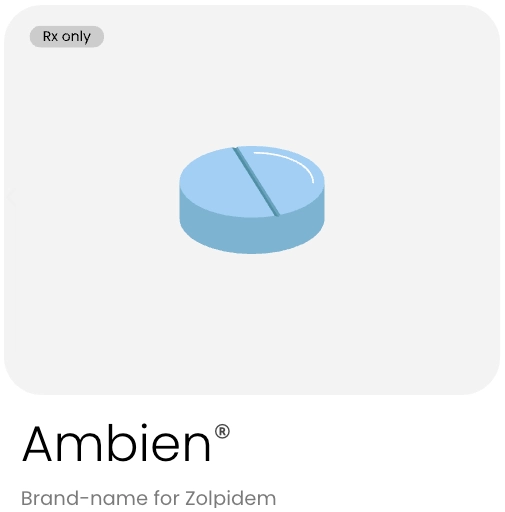
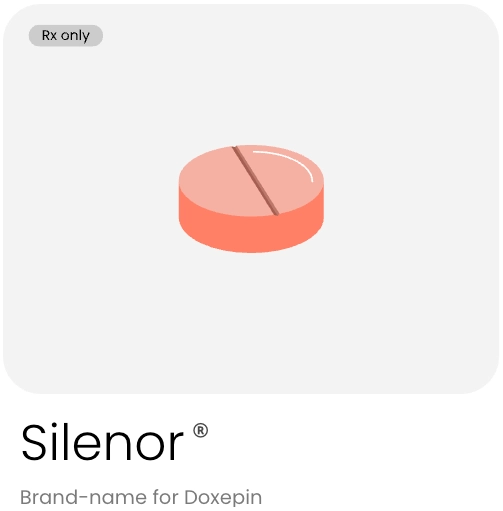
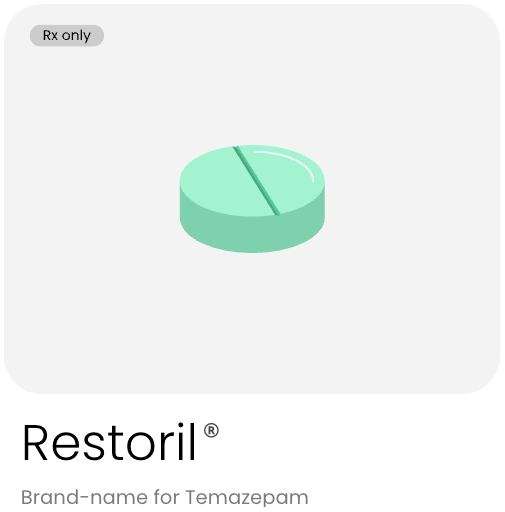
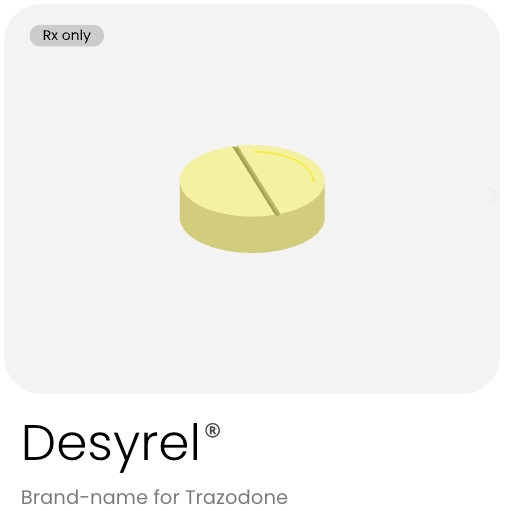
Insomnia can leave people feeling exhausted, overwhelmed, and disconnected. Our mission is to provide affordable, compassionate psychiatric care that helps patients restore healthy sleep without unnecessary delays. With timely appointments and direct access to your provider through messaging, you can receive guidance when it matters most. We remove barriers common in traditional mental health systems, replacing them with personalized support and attentive follow-up. Our goal is to make insomnia treatment accessible, responsive, and centered on your unique needs so restful sleep becomes achievable again. We’re here to provide insomnia treatment and other mental health services in Plantation, FL.
Insomnia can present itself in many different ways. There are many signs and symptoms to watch out for.
Even if someone falls asleep quickly, insomnia can still cause waking up tired when sleep is repeatedly interrupted or too light to restore energy.
When nights are restless, insomnia can create irritability by preventing the brain from fully resetting mood and stress regulation systems.
When nights are restless, insomnia can create trouble focusing by reducing alertness and increasing mental lapses throughout the day.
When nights are restless, insomnia can create careless mistakes by lowering mental stamina and increasing lapses in focus.

When nights are restless, insomnia can create delayed reflexes by lowering concentration and reducing the brain’s ability to respond promptly.
Alcohol can knock you out quickly, but it often steals the second half of the night. As it metabolizes, the brain rebounds into lighter sleep with more awakenings and vivid dreams. If you notice 3 AM wake ups after drinking, that pattern is a clue. Try moving alcohol earlier, reducing quantity, or choosing alcohol free options on weeknights. Hydration and a small snack can also help. The payoff is steadier sleep architecture and fewer early morning resets. Sleep is a marathon, and alcohol is a sprinter. Better sleep often improves mood and cravings the next day.
Plantation residents may unknowingly train the brain to stay alert in bed by working, scrolling, or worrying there. Rebuild the bed as a sleep cue. Use the bedroom mainly for sleep and quiet rest. Go to bed when genuinely sleepy, not just when the clock says. If frustration builds, leave the bed briefly and return only when drowsy. This conditioning approach reduces insomnia by teaching the brain that bed predicts sleep, not struggle.
We offer medication management for mental health conditions such as ADHD, anxiety, depression, insomnia, and bipolar disorder.
With ADHD, focus may arrive in extremes, either scattered across many thoughts or locked into hyperfocus, where hours disappear while working on something interesting.
Anxiety can feel like living slightly ahead of the present, constantly imagining worst-case futures instead of fully experiencing what is happening now.
Depression can feel like moving through slow motion, where thoughts drag, emotions feel heavy, and motivation fades without clear explanation.
Bipolar disorder can feel confusing, as a person may alternate between feeling unstoppable and feeling depleted, even when life circumstances remain unchanged.
In Plantation, mental stimulation and stress can keep the nervous system active even after physical fatigue. The brain may interpret the day’s unfinished tasks as ongoing threats, making sleep elusive. A strategy is creating a wind down that separates daytime thinking from bedtime. Journaling, light stretching, or calm music can signal the brain that it is safe to shift into rest. Consistent timing and a predictable sequence strengthen the association between bed and sleep.
Yes. When wake times vary by hours, the body clock struggles to know when night arrives. Plantation residents may sleep in on weekends or wake early on workdays, confusing circadian rhythm. Keeping a steady wake time every day, even after a poor night, stabilizes sleep pressure. Pair it with morning sunlight and minimal late evening stimulation. Over weeks, this regularity often reduces sleep onset delay and nighttime awakenings, allowing deeper and more restorative sleep.
Plantation residents sometimes underestimate the impact of subtle sounds like traffic, fans, or neighbors. Even if you do not consciously notice them, the brain may wake you during lighter sleep stages. Using consistent background noise such as white noise or a soft fan can mask interruptions. Avoid sudden loud sounds near bedtime. Creating a controlled auditory environment reduces micro-awakenings and makes sleep more continuous. Comfort and predictability often matter more than darkness alone.
Early waking can be driven by body clock shifts, stress, or light exposure. Plantation residents may find themselves awake hours before planned alarm and unable to return to sleep. Avoid checking the clock and keep lights low. Focus on relaxed breathing or gentle stretching. Morning sunlight after getting up helps anchor the next night’s sleep. Avoid attempting early bedtimes to compensate. Resetting the circadian rhythm gradually improves the duration and quality of night sleep.
Yes. Bright screens or engaging content near bedtime can signal daytime to the brain and delay melatonin production. In Plantation, scrolling social media or responding to emails can keep the nervous system alert. Dim lights, turn off notifications, and move devices out of reach before bed. Replace screens with calming, low-stimulation activities like reading or listening to soft music. The goal is to let the brain anticipate rest, not problem-solving or stimulation, supporting faster sleep onset and fewer interruptions.
A subtle indicator is anticipatory anxiety around bedtime. Plantation residents may begin dreading sleep, lying awake thinking about inability to fall asleep, or rehearsing the consequences of poor sleep. This fear creates a self-fulfilling loop. The first step is recognizing the anxiety and separating it from the physical act of sleep. Gentle routines, removing time pressure, and mindful techniques can reduce anticipatory stress. Over time, sleep becomes less loaded with expectation, and nights feel safer and more restorative.
Reviewed by Mind Mechanic Clinical Oversight
Last updated: January 28, 2026

