Several FDA-approved medications have been clinically proven to improve feelings of sadness. Learn more in our detailed depression medication guide.
Our mission is to support individuals facing depression through accessible, affordable, and responsive mental health care. Depression can make it hard to reach out, so we provide timely appointments and straightforward ways to connect with your provider. Patients can message directly, ensuring questions are answered and care remains personalized. We work to eliminate the obstacles common in traditional systems, like long waits and limited communication. Our goal is to provide steady guidance and treatment that helps you move forward with clarity, stability, and renewed hope. We’re here to provide Depression treatment and other mental health services in Fort Lauderdale, FL.
Depression can present itself in many different ways. There are many signs and symptoms to watch out for.
Depression can turn anxious uncertainty into hopelessness, creating the sense that nothing will get better no matter what steps are taken.
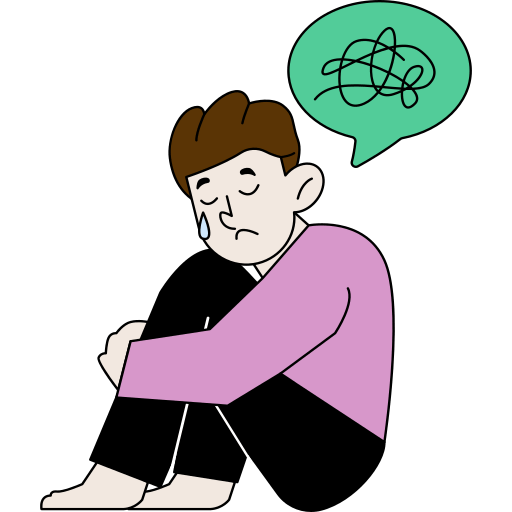
Depression can make low energy feel physical and mental, leaving someone tired in both body and mind even without intense activity.
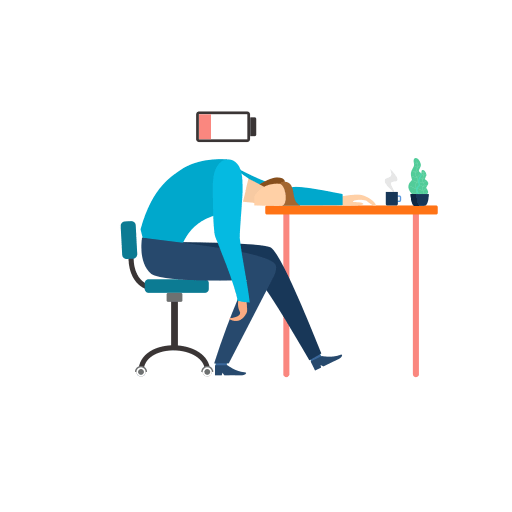
Depression-related sleep changes often affect energy, making daytime fatigue worse and reducing motivation for work, school, or social activities.

Depression often makes difficulty focusing worse by disrupting sleep, leading to tiredness that interferes with memory and mental sharpness.

Depression-related irritability can stem from exhaustion, where poor sleep and low energy make the nervous system more reactive during normal daily stress.

Depression convinces you to pull away, and then uses loneliness as proof that you are alone. Breaking this cycle works best with planned connection. Choose one person and one format that feels easiest, a short text, a voice note, a ten minute call. Keep expectations small. Connection does not have to be deep to be effective. Even brief contact reminds your nervous system that support exists. If you cannot talk, share a simple line like today is heavy. Small contact prevents isolation from hardening
Fort Lauderdale’s fast pace can make depression feel especially isolating when everyone else seems active. Depression may lead to withdrawal, numbness, or difficulty keeping up with social life. A helpful approach is planned engagement without pressure, such as a brief walk near the water or one short conversation with a trusted person. Structure protects mood: consistent sleep, meals, and simple routines. Therapy can help individuals challenge the belief that they are falling behind. Recovery comes through gentle reconnection, not forcing intensity.
We offer medication management for mental health conditions such as ADHD, anxiety, depression, insomnia, and bipolar disorder.
It may show up as forgetfulness, misplaced items, and half-finished projects, not from laziness, but from challenges with working memory and follow-through.
It’s a state where your nervous system behaves like an oversensitive alarm, firing at small cues, keeping you keyed up, fatigued, and stuck in hypervigilance.
In depressive phases, bipolar disorder may bring emptiness, slowed thinking, body heaviness, and loss of pleasure; in elevated phases, it may bring restlessness, intensity, and overcommitment.
Insomnia often creates a cycle where worry about sleep makes sleep even harder, turning nighttime into a stressful, repeating pattern.
Fort Lauderdale is full of activity, beaches, nightlife, and constant movement, which can make depression feel even more lonely. When you are struggling internally, being surrounded by energy can create the sense that everyone else is living normally while you are stuck. Depression often brings emotional numbness and withdrawal, not just sadness. The goal is not forcing yourself to match the city pace, but finding gentle ways to reconnect without pressure or comparison.
Depression can make social plans feel draining rather than fun. In Fort Lauderdale, someone may avoid gatherings, not because they dislike people, but because their emotional capacity feels low. Even enjoyable environments can feel flat when the brain reward system slows down. A helpful approach is choosing small low pressure connection instead of full social immersion. Brief outings or short conversations can maintain contact with life while allowing space for recovery and rest.
Yes, depression often disguises itself. In Fort Lauderdale, some people experience depression as frustration, impatience, or feeling emotionally raw. When energy is depleted and hope feels thin, small stressors can trigger strong reactions. This can confuse families who expect depression to look quiet. Recognizing irritability as a symptom reduces blame and opens the door to support. Mood often softens as the nervous system stabilizes and recovery begins.
Many people in Fort Lauderdale continue working and appearing productive while feeling empty inside. High functioning depression can involve showing up externally while feeling disconnected, exhausted, and numb internally. People may fear slowing down or asking for help. This form is often missed because there is no obvious collapse. Recognizing that functioning does not equal wellness is important. Support and treatment help people regain emotional depth rather than just continuing to survive on autopilot.
Depression changes perception like a dark filter. In Fort Lauderdale, someone may start believing they are falling behind, unworthy, or permanently stuck, even when life circumstances do not match those conclusions. The illness creates hopeless interpretations that feel factual. A helpful skill is labeling depressive thoughts as symptoms rather than truths. Writing one more balanced statement each day can weaken the distortion. Therapy helps rebuild a fairer inner narrative over time.
6BRecovery is not about suddenly feeling happy again. In Fort Lauderdale, meaningful improvement often looks like small returns, answering a message, stepping outside, completing one task, feeling a brief spark of interest. Depression lifts gradually through repeated reengagement, structure, and support. Setbacks are part of the process, not proof of failure. Professional care helps create stability so life can slowly expand again instead of shrinking around avoidance.
Reviewed by Mind Mechanic Clinical Oversight
Last updated: January 28, 2026

