Several FDA-approved medications have been clinically proven to improve feelings of sadness. Learn more in our detailed depression medication guide.
Our purpose is to provide depression treatment that feels approachable, responsive, and tailored to each patient. Depression often brings isolation, so we prioritize direct provider communication and close monitoring. With affordable care and timely scheduling, patients can begin support without long delays. We remove barriers like endless phone calls and long waitlists. Our mission is to guide individuals toward relief through personalized plans, compassionate care, and steady support that helps restore confidence and well-being. We’re here to provide Depression treatment and other mental health services in Deerfield Beach, FL.
Depression can present itself in many different ways. There are many signs and symptoms to watch out for.
Feeling hopeless can be a sign of depression when anxiety repeatedly signals that problems are endless and solutions will never truly work.
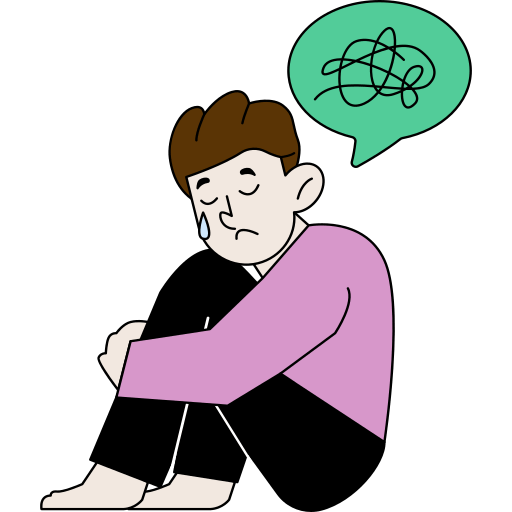
Depression-related low energy can feel like moving through fog, where everything requires extra effort and motivation feels distant.
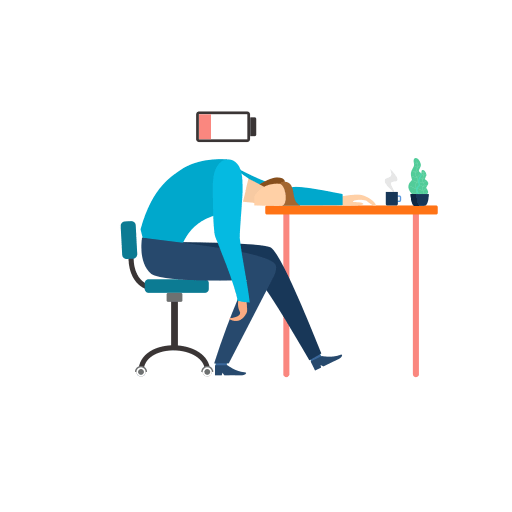
With depression, sleep changes can worsen mood, creating a cycle where exhaustion increases sadness and sadness further disrupts sleep patterns.
With depression, difficulty focusing can make multitasking overwhelming, as the mind struggles to organize thoughts clearly.

Irritability in depression sometimes replaces tearfulness, especially when the person feels numb and expresses distress through annoyance instead.

Therapy works best when sessions connect to real life actions. Before each session, write three examples from the week: one hard moment, one small win, one recurring pattern. After the session, choose one skill to practice, not ten. Track it briefly, like a daily check mark. Depression often makes follow through feel impossible, so the plan should be small and repeatable. Ask your therapist to help you define what progress looks like. Momentum comes from repetition, not intensity
Deerfield Beach provides calming outdoor spaces that can support depression recovery through grounding. Depression often disconnects people from pleasure and presence. A short coastal walk, sunlight exposure, and sensory awareness can gently reintroduce engagement. The goal is consistency, not intensity. Pair outdoor time with one practical step like eating a simple meal or reaching out to someone supportive. Therapy helps address hopeless thinking and withdrawal. Small repeated contact with life can help mood gradually lift.
We offer medication management for mental health conditions such as ADHD, anxiety, depression, insomnia, and bipolar disorder.
Some experience ADHD as chronic underestimation of effort, starting tasks with optimism, then getting overwhelmed by details, switching goals, or abandoning the plan midway.
For some people, anxiety feels like a motor running too fast, making stillness uncomfortable, sleep difficult, and relaxation suspicious, as though calm invites catastrophe.
In hypomania, bipolar disorder may look like extra charisma and productivity, yet friends notice impulsive plans, reduced sleep, and a sharper edge beneath the enthusiasm sometimes.
Insomnia can affect concentration and memory, making daytime tasks harder while sleep deprivation builds quietly in the background.
Deerfield Beach has a calm coastal atmosphere, so people may feel confused or guilty when depression still appears. Depression is not caused by scenery, it is an internal condition affecting mood, motivation, and reward. Someone can live near the ocean and still feel numb or heavy. The environment can support healing, but it does not erase symptoms instantly. Recovery involves treatment, routine, and connection, not forcing yourself to feel grateful.
Coastal settings can be helpful as a gentle activation tool. In Deerfield Beach, a short walk near the water can interrupt rumination and provide sensory grounding. The goal is not intense exercise, it is contact with the present moment. Sunlight exposure also supports sleep rhythms. Pair outdoor time with one small practical step like eating a meal or reaching out to someone supportive. Nature helps best when used consistently, not as a one time fix.
Yes, depression often removes enjoyment from activities that once felt meaningful. In Deerfield Beach, someone may stop surfing, walking, or socializing because nothing feels rewarding. This is called anhedonia, and it reflects a slowed reward system, not personal failure. The helpful approach is gentle exposure without expecting instant pleasure. Short repeated contact with valued activities helps the brain reconnect over time. Therapy supports this process and reduces hopeless thinking.
Depression often convinces people they are a burden, so they withdraw. In Deerfield Beach, isolation may look like avoiding calls, staying home, or declining invitations. This can deepen depression by removing connection and perspective. A helpful goal is small predictable contact, one text, one appointment, one brief meet up. Connection does not need to be intense to matter. Recovery often begins when isolation is interrupted gently and consistently.
5BDepression frequently disrupts sleep, either through oversleeping or insomnia. Deerfield Beach residents may feel tired even after long rest because depression affects energy regulation. Poor sleep then worsens mood and motivation. Protecting a consistent wake time, limiting long naps, and creating calming bedtime routines helps. Light exposure in the morning supports rhythm. Therapy can help with nighttime rumination. Energy often returns gradually as sleep becomes more stable.
Healing is not about instantly feeling happy or carefree. In Deerfield Beach, sustainable recovery often looks like small expansion, returning to routines, reconnecting with others, and reducing avoidance. Progress is measured by flexibility and engagement, not perfection. Setbacks are part of the process. Therapy provides tools for negative thinking and shame, while supportive habits rebuild stability. Over time, depression becomes less central, and life regains color in quiet gradual steps.
Reviewed by Mind Mechanic Clinical Oversight
Last updated: January 28, 2026

