Several FDA-approved medications have been clinically proven to improve mood stability. Learn more in our detailed bipolar medication guide.

Our mission is to make bipolar disorder treatment more accessible and supportive for those who need it. We provide affordable psychiatric care with timely scheduling and direct messaging, so patients can stay connected to their provider without unnecessary delays. Bipolar disorder often requires thoughtful medication management, close monitoring, and personalized strategies. We focus on removing barriers that make care difficult, replacing them with clear communication and ongoing support. Our goal is to help you find balance, improve quality of life, and feel empowered in your mental health care. We’re here to provide Bipolar Disorder treatment and other mental health services in Deerfield Beach, FL.
Bipolar disorder can present itself in many different ways. There are many signs and symptoms to watch out for.
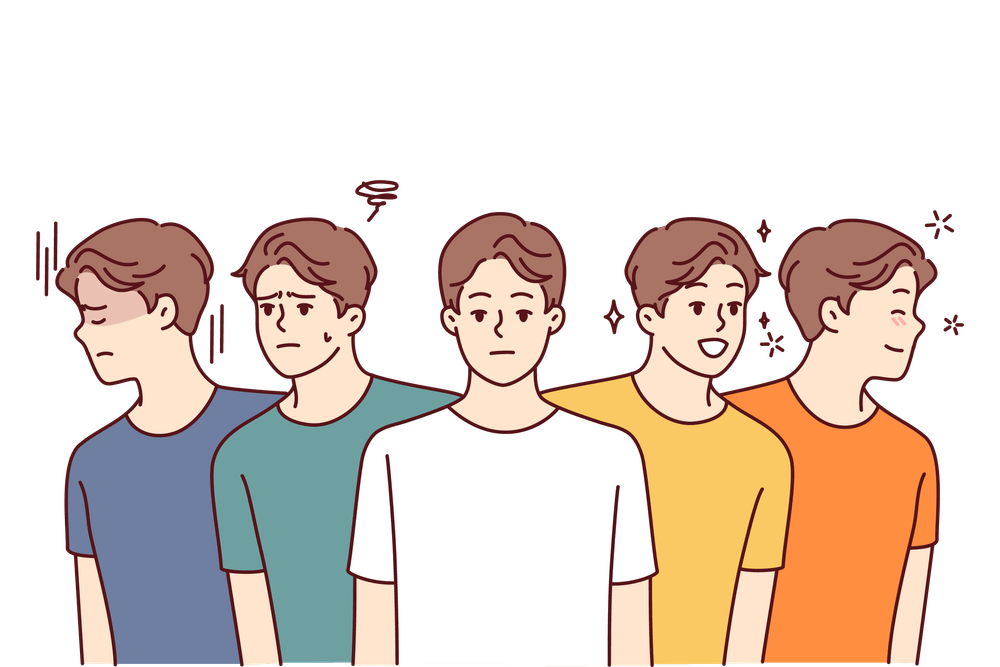
Bipolar disorder sometimes brings emotional instability that feels like being on an internal rollercoaster, with emotions changing rapidly even during ordinary situations.
Bipolar disorder mania can cause people to start many projects at once, feeling invincible, even when focus and follow-through become difficult.
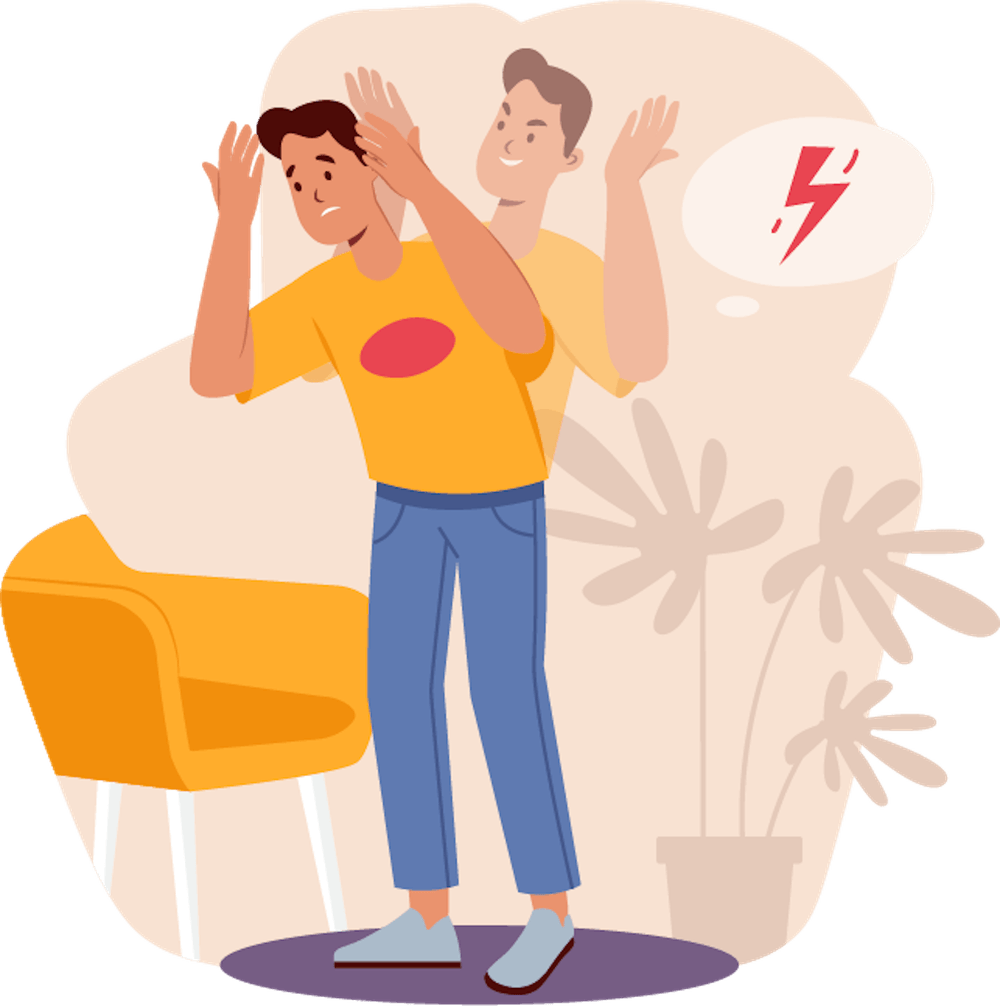
Some bipolar depressive episodes feature anxiety alongside low mood, producing restless worry combined with exhaustion and difficulty finding relief.
In bipolar disorder, reckless behavior may be a warning sign that mood is escalating, especially when paired with decreased sleep and racing thoughts.

During elevated mood states, bipolar disorder may reduce caution, making spontaneous decisions seem completely reasonable or even necessary.

A crisis plan turns panic into steps. Write down your early warning signs your helpful coping tools and the people to contact. Include your clinician information preferred hospital and current medications. Add practical items like who can care for pets children or work obligations if symptoms escalate. Decide ahead of time what helps you feel safe such as removing access to large spending or reducing driving. Share the plan with someone you trust so they can support you when thinking is clouded. A plan is not predicting failure. It is preparing for stability and safety during hard moments
In Deerfield Beach stigma can make bipolar disorder feel isolating and lead people to delay care. Separating identity from illness is powerful. You are not your episodes you are a person managing a medical condition. Use language that frames symptoms as signals and treatment as maintenance. Choose carefully who earns personal details and seek supportive communities or therapy to challenge shame. When you focus on values and routines rather than labels it becomes easier to ask for help early set boundaries and build long term stability with confidence
We offer medication management for mental health conditions such as ADHD, anxiety, depression, insomnia, and bipolar disorder.
ADHD can affect conversations, where the mind drifts mid-sentence, yet enthusiasm returns instantly when the topic sparks genuine interest and curiosity.
Living with anxiety can feel exhausting, as the brain stays in problem-solving mode, searching endlessly for certainty in an uncertain world.
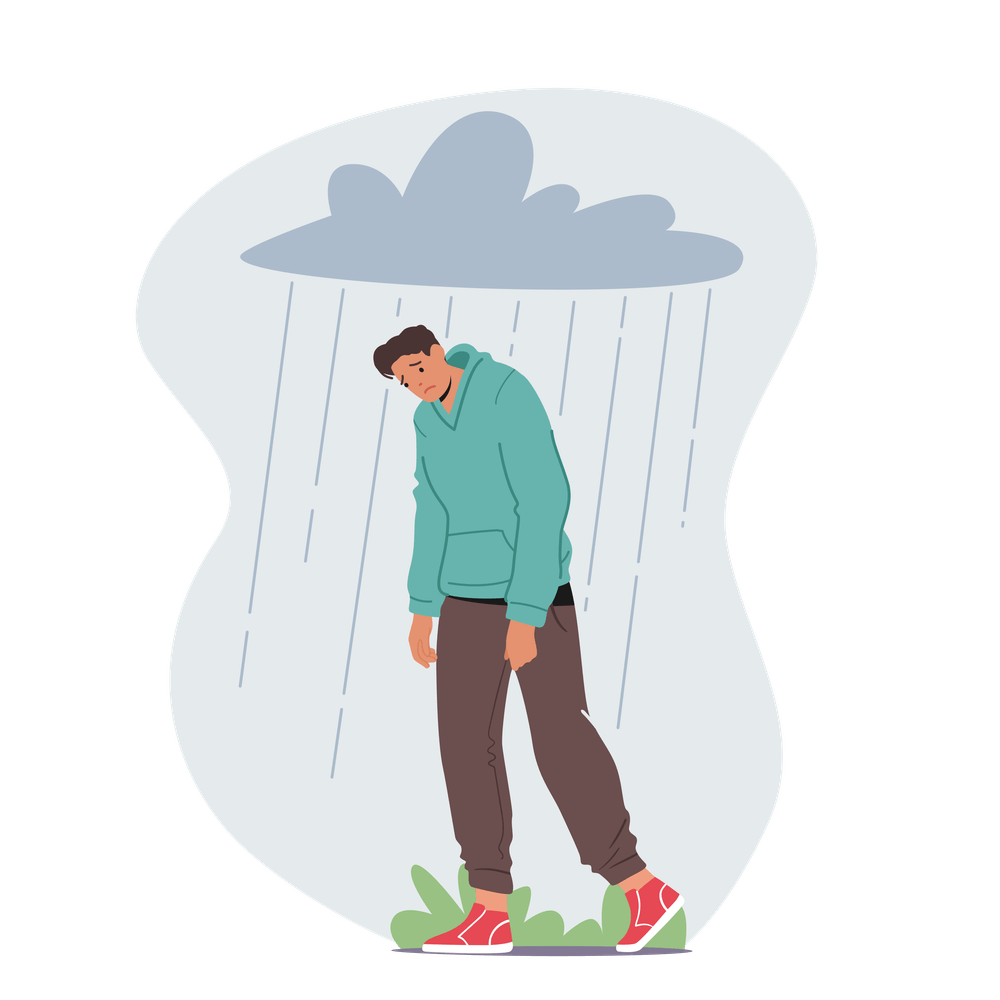
Living with depression can distort perspective, making the future feel bleak and progress seem impossible, even when change is still achievable.
Living with insomnia can make bedtime stressful, turning what should be comforting into a nightly battle with restlessness and anticipation.
Deerfield Beach offers calming ocean views, but bipolar stability still depends on consistent daily structure. Vacation style living can sometimes disrupt sleep, meals, and medication timing, which may increase risk of mood swings. Try treating weekdays and weekends similarly, keeping steady wake times and planning relaxing activities earlier in the day. Coastal walks can support mood, but balance is key. A predictable rhythm helps protect against both manic and depressive episodes.
Mania often starts subtly before becoming disruptive. In Deerfield Beach, someone may feel unusually energized, talk faster, need less sleep, or take on ambitious new projects. Increased spending, irritability, or risky choices can also appear. The most important sign is a clear change from your normal baseline. If sleep decreases for several nights while energy rises, contact your clinician early. Early adjustments can prevent a full mood episode from developing.
Yes, depressive episodes often encourage isolation, even in a community with outdoor beauty like Deerfield Beach. People may stop answering texts, avoid activities, and feel disconnected. Small planned connection helps: schedule one brief interaction daily, such as a call, therapy visit, or short meet up with a trusted friend. Pair social support with gentle movement outdoors. Depression tends to shrink your world, but consistent contact can slowly widen it again.
Exercise can support mood regulation, but intensity matters. In Deerfield Beach, activities like walking, swimming, or biking can be grounding when done consistently. During elevated moods, some people overexercise or push too hard, which can worsen agitation and reduce sleep. During depression, starting small is better than avoiding movement entirely. Aim for moderate routines that feel sustainable. Exercise works best alongside medication, therapy, and healthy sleep habits.
Families can play a key role when support is respectful and structured. In Deerfield Beach, it helps to agree on early warning signs, such as reduced sleep, rapid speech, or withdrawal, rather than constant monitoring. Offer practical support like attending appointments, helping with routines, or providing calm encouragement. Avoid blame, since bipolar disorder is a medical condition. Clear boundaries, patience, and teamwork create stability without taking away independence.
Emergency care is needed when safety is at risk. Seek urgent support in Deerfield Beach if someone has suicidal thoughts, severe agitation, hallucinations, dangerous impulsivity, or cannot sleep for multiple nights with escalating energy. These may signal a serious episode requiring immediate evaluation. Contact a crisis line, reach your psychiatrist, or go to an emergency department. Having a written crisis plan and trusted contacts prepared ahead of time can make action faster.
Reviewed by Mind Mechanic Clinical Oversight
Last updated: January 28, 2026
