Several FDA-approved medications have been clinically proven to improve feelings of sadness. Learn more in our detailed depression medication guide.

Our purpose is to offer depression-focused mental health care that is affordable, timely, and centered on the patient experience. Depression can cloud motivation, sleep, and relationships, so we prioritize quick access to professional support. We provide appointments without long delays and encourage direct messaging with your provider for questions or reassurance. Instead of navigating endless phone calls or complex systems, patients receive clear, consistent care. We aim to build treatment plans that fit your needs, helping you feel supported, understood, and guided toward recovery. We’re here to provide Depression treatment and other mental health services in Cooper City, FL.
Depression can present itself in many different ways. There are many signs and symptoms to watch out for.
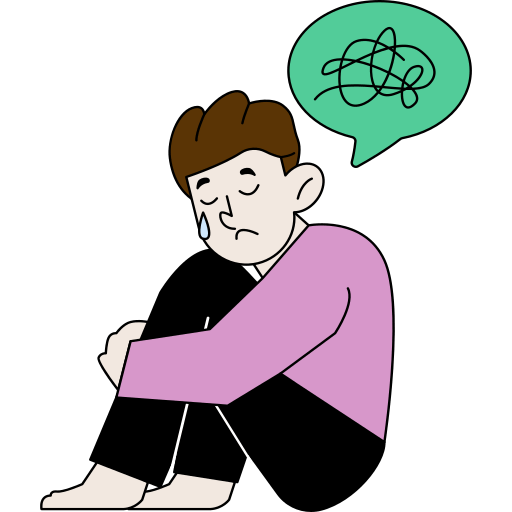
In depression, anxiety can fuel hopeless feelings by narrowing focus to fears, blocking the ability to imagine positive outcomes or meaningful change ahead.
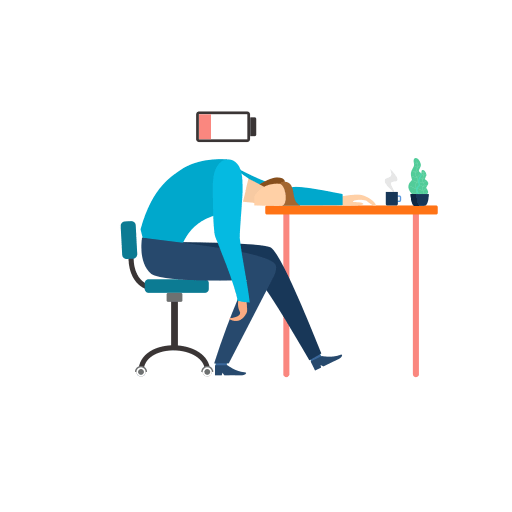
With depression, low energy can appear as constant fatigue, where rest doesn’t feel refreshing and the day feels harder to start.
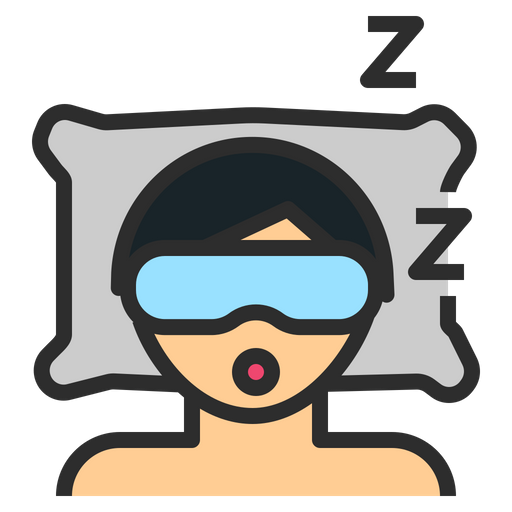
With depression, sleep changes may appear as insomnia, where racing thoughts or emotional heaviness keep the mind awake late into the night.
With depression, difficulty focusing may show up as forgetfulness, where simple details slip away and tasks take longer to complete.

With depression, irritability can appear as snapping at loved ones, even when the person feels guilty afterward and doesn’t fully understand the intensity.

Anhedonia is the loss of pleasure, when hobbies feel flat and even good news lands softly. It can be one of the most confusing parts of depression because people assume it means nothing matters. In reality, the brain’s reward system is slowed, not broken. The helpful move is continuing gentle engagement without expecting enjoyment immediately. Try short exposure to activities you once liked, five minutes of music, a brief walk, a few pages of a book. Over time, repeated contact can help pleasure return in small sparks
Cooper City families may notice depression affecting teens through irritability, avoidance, or falling behind academically. Depression is not laziness, it changes motivation and concentration. A helpful strategy is breaking school demands into smaller steps and focusing on one achievable task at a time. Supportive routines around sleep and meals stabilize mood. Encouragement works better than pressure. Therapy can help teens manage negative self talk and emotional overload. Early support prevents depression from shrinking confidence and helps students reengage gradually.
We offer medication management for mental health conditions such as ADHD, anxiety, depression, insomnia, and bipolar disorder.
For some, ADHD is less “can’t pay attention” and more “can’t control attention,” with distractions, impulses, and time slipping by faster than expected.
For some, anxiety sounds like an internal commentator predicting failure, judging every choice, and demanding certainty, while your body hums with uneasy adrenaline all day.
Some people experience bipolar disorder as a loud mental engine, racing plans and talk, then a sudden stall into fog, guilt, and exhaustion that makes everyday tasks feel monumental.
With insomnia, the body feels tired but the brain stays alert, making even quiet nights feel loud with thoughts, tension, and unease.
In Cooper City, depression in teens often looks less like sadness and more like irritability, avoidance, or falling behind in school. Motivation drops, concentration becomes harder, and small tasks feel overwhelming. Teens may withdraw socially or complain of headaches or stomach discomfort. This can be misunderstood as attitude or laziness. Recognizing depression early allows support to start sooner. Therapy helps teens build coping skills and reduces the shame that often keeps them silent.
Depression can make even simple choices feel exhausting. In Cooper City, someone may freeze over small decisions like what to eat or whether to answer a message. This happens because depression reduces mental energy and increases doubt. The brain treats choices as heavy and risky. A helpful strategy is simplifying options and using defaults, basic meals, short routines, small next steps. Decision confidence returns gradually as mood and energy improve.
Yes, many people in Cooper City describe depression as feeling flat rather than emotional. Activities may seem pointless, conversations feel distant, and life loses color. This is not lack of gratitude, it is the brain’s reward system slowing down. The goal is gentle engagement without forcing joy. Small exposures, music, a brief walk, a simple hobby moment, help reconnect over time. Therapy supports this process by reducing hopeless thinking and rebuilding meaning.
Depression often changes family life quietly. In Cooper City, someone may become less responsive, withdraw from routines, or seem emotionally absent. Loved ones may interpret this as not caring, when it is often exhaustion and numbness. Naming depression openly can reduce misunderstandings. Practical support, shared routines, and patience help more than pressure. Therapy can guide families in responding with structure and compassion so depression does not create unnecessary distance.
Weekends can be difficult because depression thrives in empty time. In Cooper City, without school or work structure, days may blur and motivation drops further. People may stay in bed longer and feel worse afterward. A helpful approach is creating light weekend anchors, a morning walk, one planned meal, one small outing. Structure does not need to be rigid, it just gives the day shape. Depression often improves when time feels held rather than drifting.
Depression recovery is rarely dramatic. In Cooper City, progress often looks like small returns, answering a text, completing one task, feeling a brief moment of interest again. Bad days do not erase progress, they are part of the process. Improvement is measured by increasing flexibility and engagement, not constant happiness. Therapy and treatment provide tools and stability, while routines and connection support gradual expansion back into life.
Reviewed by Mind Mechanic Clinical Oversight
Last updated: January 28, 2026

