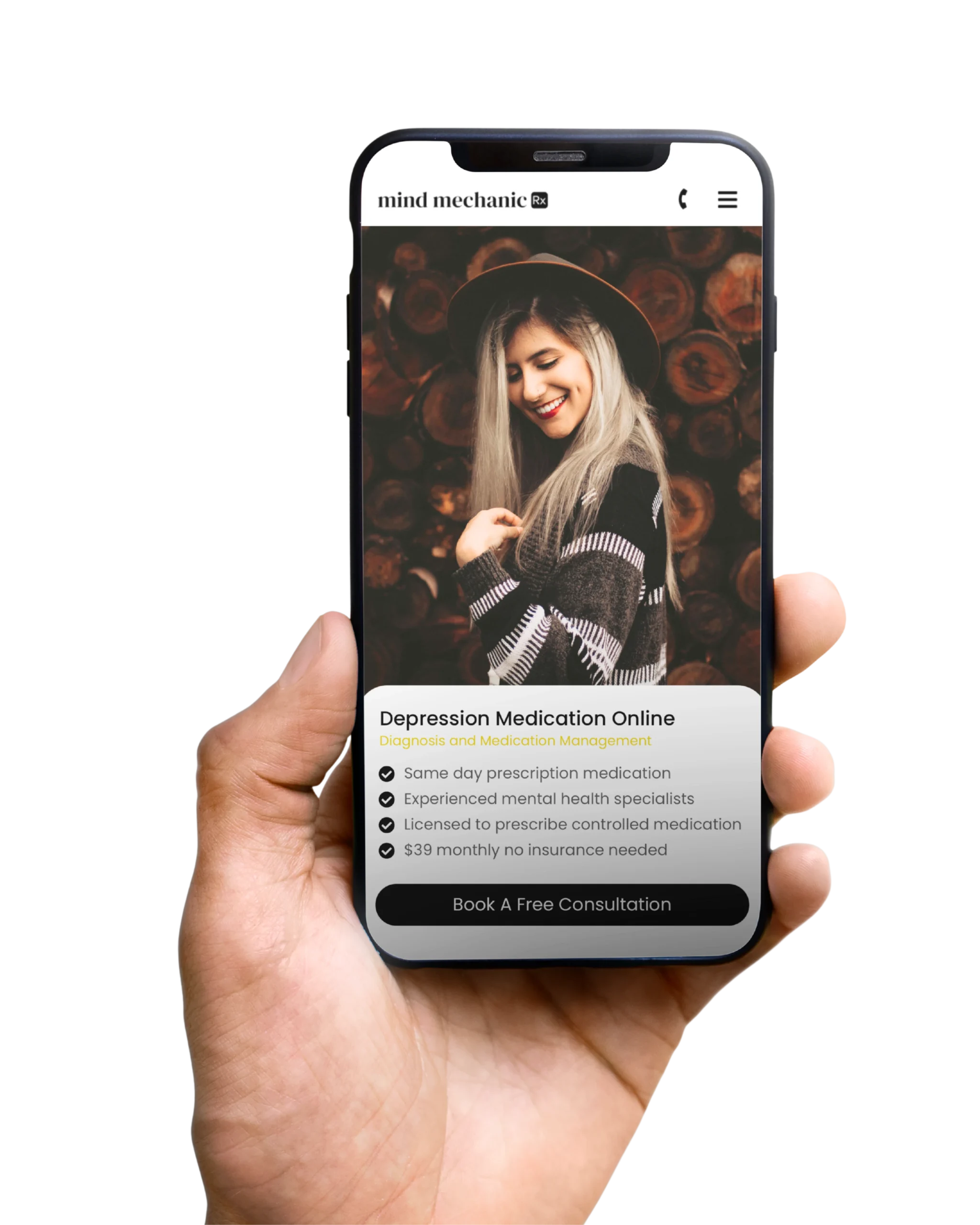
We provide online mental health medication management for people living in certain Florida counties. Visits are fully virtual, but we’re only able to treat patients who live in the areas we currently serve.
Living in Florida means preparing for hurricane season, and that repeated cycle of alerts, uncertainty, and disruption can take a psychological toll. Anticipatory anxiety, sleep disturbance, and decision fatigue often increase during storm threats. After major storms, people may experience lingering stress, grief over property loss, or emotional burnout from insurance and rebuilding processes. Consistent routines, preparedness planning, and early mental health support can reduce long-term stress effects and help families recover more smoothly. Practices such as Mind Mechanic Psychiatry Coral Springs provide care for individuals throughout Broward County, while Mind Mechanic Psychiatry Boca Raton supports patients across Palm Beach County with timely evaluations and ongoing psychiatric medication management.
Florida’s fast population growth brings opportunity, but also emotional pressure tied to traffic, housing costs, and changing communities. Long commutes, crowded services, and rising expenses can increase stress and irritability while reducing social connection. New residents may also experience relocation adjustment challenges and loneliness. Mental health trends in high-growth regions often show increased anxiety and burnout. Community engagement, access to care, and flexible telehealth services play an important role in supporting emotional stability. You can explore all of our services and care options at Mind Mechanic Psychiatry.
We offer medication management for mental health conditions such as ADHD, anxiety, depression, insomnia, and bipolar disorder.
ADHD is a condition that affects attention, impulse control, and organization, often causing distractibility and difficulty completing tasks consistently across school, work, and daily life.
Anxiety is a mental health condition marked by excessive worry and persistent fear that can interfere with sleep, concentration, decision-making, and everyday functioning.
Depression is a mood disorder involving ongoing sadness, low motivation, and reduced pleasure, often accompanied by fatigue, appetite or sleep changes, and difficulty feeling hopeful.
Bipolar disorder is a mood condition characterized by alternating periods of depression and elevated mood, with shifts in energy, activity, judgment, and sleep that affect behavior and daily stability.
Insomnia is a sleep disorder defined by difficulty falling asleep, staying asleep, or getting restorative rest, leading to daytime fatigue, reduced focus, and impaired overall functioning.
A good rule is to look at impact, not just intensity. If your mood, focus, sleep, or anxiety symptoms are interfering with work, relationships, or daily responsibilities for more than a couple of weeks, it’s reasonable to seek care. You don’t need to be in crisis to qualify for help. Early evaluation often prevents worsening symptoms and shortens recovery time. Mental health care is appropriate for both moderate and severe concerns.
Yes. Many mental health conditions first appear as physical complaints rather than emotional ones. People commonly report headaches, stomach issues, muscle tension, fatigue, dizziness, or heart-pounding sensations linked to anxiety or mood disorders. When medical tests are repeatedly normal, stress or psychiatric causes may be contributing. Treating the mental health component often reduces the physical symptoms as well. Integrated evaluation that looks at both body and mind usually produces the best outcomes.
Stress is a normal response to pressure and usually improves when the situation changes or you recover. A mental health disorder is more persistent, less tied to a single trigger, and continues even after the stressor passes. Disorders also tend to cause functional impairment in sleep, work performance, relationships, or self-care. Duration, intensity, and life disruption help distinguish the two. When symptoms feel stuck or escalating, professional assessment is helpful.
Properly prescribed psychiatric medications are not meant to change who you are. Their purpose is to reduce disruptive symptoms such as severe anxiety, unstable mood, or impaired concentration so your baseline personality can function more freely. Some people worry about feeling “flat,” but that usually signals a dosing or medication-match issue that can be adjusted. Ongoing follow-up helps fine-tune treatment so benefits are felt without unwanted emotional blunting or detachment.
Some people with mild symptoms improve through lifestyle changes such as sleep optimization, regular exercise, reduced alcohol use, structured routines, and stress-management practices. However, moderate to severe conditions often respond best to professional treatment. Think of self-care as foundational support and clinical care as targeted intervention. Using both together usually produces stronger and more durable results. If symptoms persist despite healthy habits, adding therapy or medication is a logical next step.
Most mental health treatments need a fair trial period before judging effectiveness. Many medications require four to eight weeks at a therapeutic dose to show full benefit, while therapy progress often becomes clearer after several sessions. Stopping too early can hide a treatment that would have helped. That said, severe side effects or worsening symptoms should be reported quickly. Regular check-ins allow adjustments rather than abandoning treatment prematurely.
Reviewed by Mind Mechanic Clinical Oversight
Last updated: January 28, 2026
