Several FDA-approved medications have been clinically proven to improve feelings of sadness. Learn more in our detailed depression medication guide.
We strive to provide depression-focused care that feels personal, supportive, and within reach. Depression can create feelings of heaviness and isolation, so we prioritize direct provider communication and timely appointments. Patients can message their clinician directly, ensuring consistent support between visits. We work to remove barriers like long waitlists and complicated systems. Our mission is to help individuals find relief, rebuild emotional strength, and move toward brighter days through compassionate treatment. We’re here to provide Depression treatment and other mental health services in Westlake, FL.
Depression can present itself in many different ways. There are many signs and symptoms to watch out for.
Feeling hopeless is common in depression when anxiety keeps scanning for threats, leaving little mental space for hope or confidence.
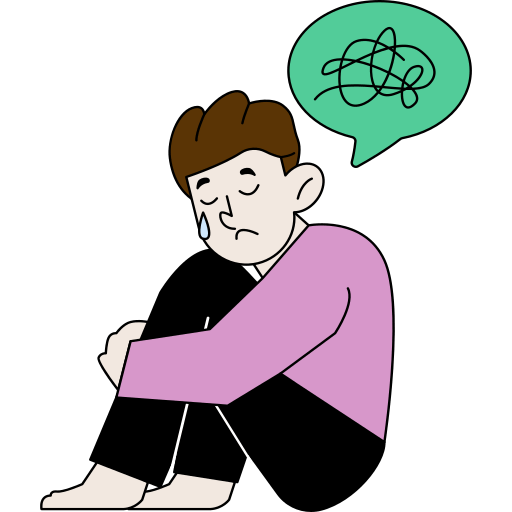
In depression, low energy may lead to avoiding responsibilities, not from laziness, but from a genuine sense of depletion.
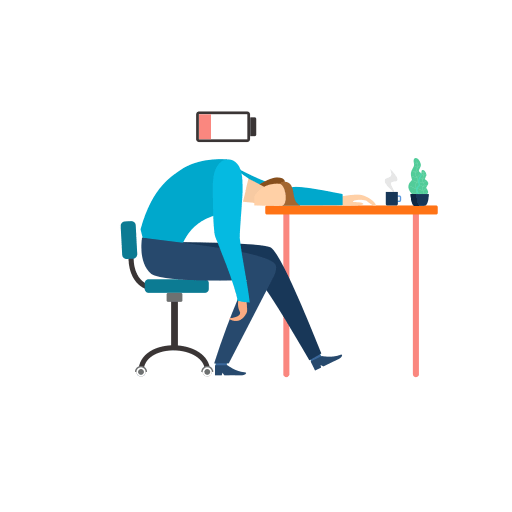
Depression can cause sleep changes that disrupt daily functioning, affecting work performance, relationships, and overall well-being.
Difficulty focusing can make depression feel worse, as unfinished tasks and mistakes may increase feelings of guilt or hopelessness.

In depression, irritability often comes with negative thinking, where the mind interprets neutral events as disrespectful or frustrating.
When depression deepens, thinking becomes narrow. A simple crisis plan protects you during low moments. Write warning signs that indicate you are slipping, like isolating, skipping meals, or increased hopelessness. List coping steps you can do immediately and people you can contact. Include professional numbers and local emergency options. Keep the plan visible and share it with a trusted person if possible. Planning is not pessimism, it is safety. Many people find that having a plan reduces fear because it creates a path forward when things feel dark
Westlake’s growth brings change, and depression can be triggered by transitions like moving, new routines, and feeling socially unrooted. Even when life looks positive, loneliness and uncertainty can weigh heavily. A helpful approach is planned belonging, join one activity, speak to one neighbor, schedule one weekly connection. Keep expectations small and consistent. Pair this with basic self care to support energy. Therapy can help process adjustment stress and reduce self blame. Depression often improves as connection and routine become established.
We offer medication management for mental health conditions such as ADHD, anxiety, depression, insomnia, and bipolar disorder.
ADHD can cause decision fatigue, because organizing steps, prioritizing tasks, and estimating time require extra mental energy, leaving you drained before you even start.
Anxiety often comes with “safety behaviors,” like constant Googling, repeated reassurance seeking, or checking locks, which soothe briefly but strengthen worry long term.
In some cases, bipolar disorder includes psychotic symptoms during severe episodes, such as delusions or hallucinations, reflecting how strongly mood can affect perception and reality testing.
Persistent insomnia can affect appetite, immune function, and emotional regulation, showing how deeply sleep supports overall health.
Yes. Westlake is a newer growing community, and depression can appear during transitions even without obvious tragedy. Moving, changing routines, and feeling socially unrooted can create emotional heaviness. The brain often struggles with unfamiliarity and lack of belonging. Depression may show up as low motivation or withdrawal. Building small anchors, regular sleep, one weekly connection, predictable habits, helps stability form. Mood often improves as life feels less uncertain and more settled.
Depression does not always match circumstances. In Westlake, someone may have a new home, new opportunities, or positive change, yet still feel empty. This can create shame because it seems illogical. Depression affects brain chemistry and meaning, not gratitude. Feeling low does not mean you are unappreciative. Recognizing depression as an internal condition helps people seek support sooner. Recovery comes from care and structure, not from trying harder to feel happy.
Depression often shrinks social energy. In Westlake, someone may hesitate to meet neighbors, join events, or reach out because everything feels effortful. This can create loneliness, which deepens mood symptoms. Social withdrawal is common, not personal failure. A helpful approach is low pressure contact, short conversations, brief outings, one consistent activity. Connection builds slowly through repetition. Depression often improves as belonging grows and isolation decreases, even in small steps.
Yes. Depression can affect cognition. Westlake residents may feel mentally slow, distracted, or unable to focus, which can increase worry about productivity. Brain fog happens when emotional strain consumes mental resources. The solution is not forcing intensity, but simplifying tasks and reducing multitasking. External supports like lists and reminders help. Focus often returns gradually as sleep stabilizes and mood improves. Cognitive symptoms are common and treatable parts of depression.
Depression often reduces motivation to leave the house, but staying inside too long can deepen symptoms. In Westlake, indoor isolation can increase rumination and disrupt sleep rhythms. Light exposure and small movement help regulate mood chemistry. Even brief outdoor time, sitting on a porch, walking for five minutes, can interrupt the depressive loop. The goal is not exercise performance, it is contact with life. Consistency matters more than duration.
Progress is often subtle. In Westlake, improvement may look like answering one message, cooking something simple, or noticing a small moment of calm. Depression rarely lifts all at once, it loosens gradually. Tracking tiny gains helps counter hopelessness. Bad days do not erase healing. Recovery is built from repeated manageable actions that widen life again. Over time, depression becomes less central, and engagement returns in quiet measurable ways.
Reviewed by Mind Mechanic Clinical Oversight
Last updated: January 28, 2026

