Several FDA-approved medications have been clinically proven to improve feelings of worry and nervousness. Learn more in our detailed anxiety medication guide.
When anxiety brings racing thoughts or physical tension, waiting weeks for help can feel impossible. Care should be accessible, affordable, and built for communication. We provide timely appointments and a direct channel to your provider so you can share updates and get guidance quickly. Instead of placing distance between patients and clinicians, we remove barriers that slow care down. Treatment is personalized, adjusted with intention, and guided by your goals. The priority is steady support that helps you regain stability. We also emphasize education and realistic coping tools you can use between appointments. We’re here to provide Anxiety treatment and other mental health services in Westlake, FL.
Anxiety can present itself in many different ways. There are many signs and symptoms to watch out for.
Excessive worry in anxiety can make ordinary responsibilities feel heavy, stressful, and emotionally overwhelming.
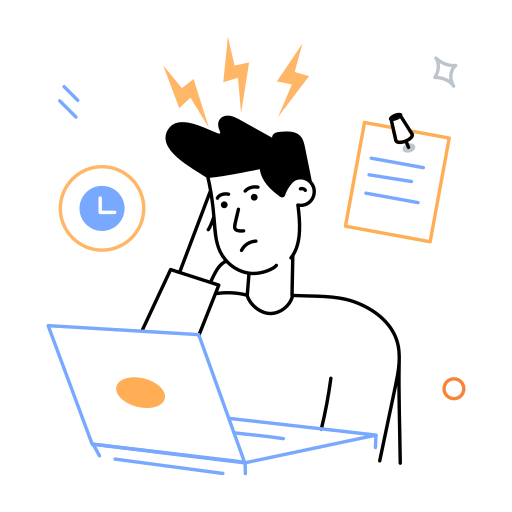
Restlessness from anxiety can leave individuals feeling mentally tired despite constant physical motion.
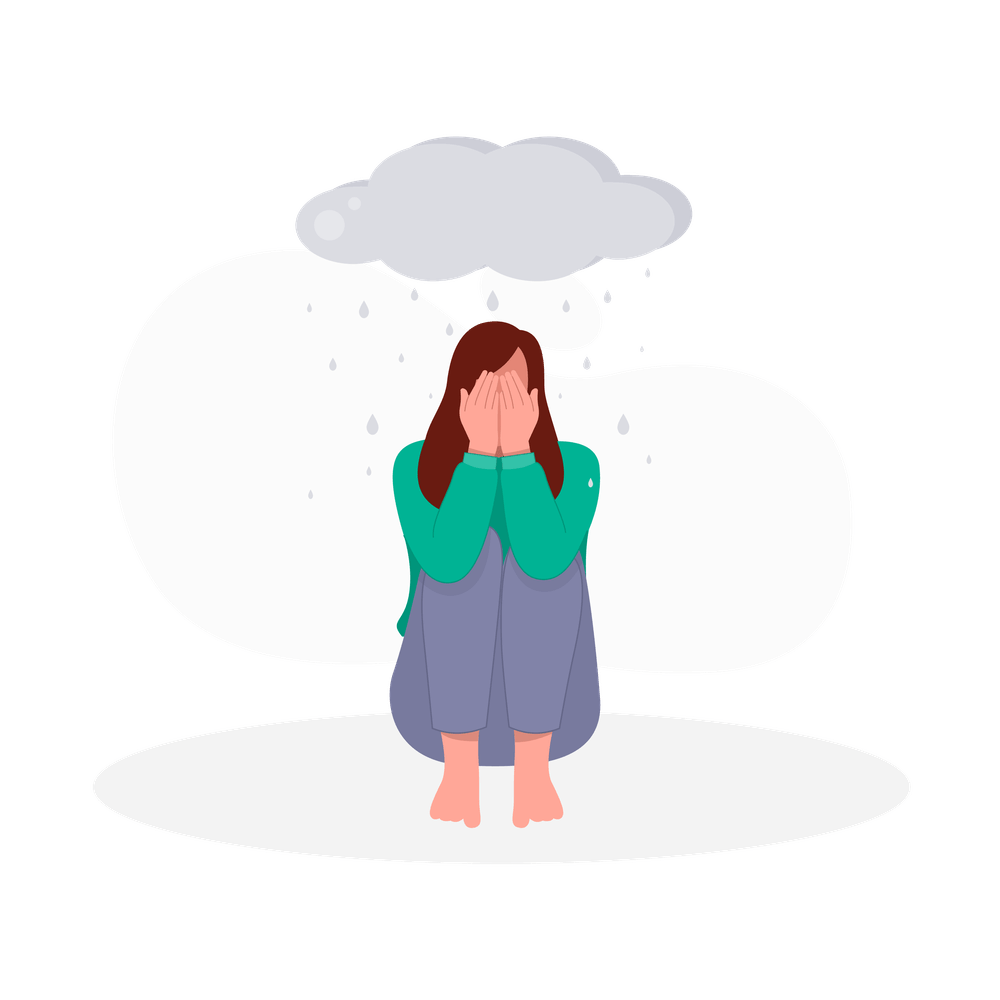
Anxiety can cause the heart to race as the brain misinterprets normal situations as threatening.

Muscle soreness associated with anxiety may feel dull, aching, or tight rather than sharp or sudden.

Irritability from anxiety may arise when the mind struggles to process too many thoughts at once.

When anxiety disconnects you from the present, sensory grounding brings you back. Use temperature, texture, and movement. Hold a cool drink, press your feet into the floor, or rub a textured object. Describe what you feel in simple words: cool, rough, heavy, steady. Pair it with slower breathing and a longer exhale. This interrupts spiraling thoughts and calms the body. Practice when calm so it is available when anxious. Keep a small grounding item in your bag, like a smooth stone or keychain. Repetition builds a faster return to center. Name the moment, then let it pass.
Westlake is a rapidly developing community where change and busy schedules can increase anxiety. New routines, responsibilities, and constant motion may keep the nervous system on alert. Creating stability through predictable sleep, regular meals, and planned downtime helps reduce worry. Short outdoor movement breaks and breathing resets prevent stress buildup. Therapy can teach tools for uncertainty and overthinking. With steady anchors, residents can adapt to growth while maintaining emotional balance.
We offer medication management for mental health conditions such as ADHD, anxiety, depression, insomnia, and bipolar disorder.
ADHD can feel like reading with a fan blowing pages; you’re trying to hold your place, but your mind keeps flipping ahead, back, sideways, and into unrelated chapters.
It can twist self care into punishment, skipping meals or sleep, avoiding mirrors, because kindness toward yourself feels undeserved, even though you need it most right now.
Some describe it as emotional volume control that jumps from whisper to blast, making feelings either overwhelming or absent, and leaving you unsure what your baseline should be.
Insomnia can turn mornings into fog and evenings into dread, because you remember the struggle and start anticipating it, feeding the cycle before lights even go out.
Westlake is a fast growing community where many residents are adjusting to new routines, homes, and responsibilities. Anxiety often rises during change because the brain treats unfamiliarity as potential danger. Even positive transitions can create mental tension and overplanning. People may feel unsettled without knowing why. Building steady daily anchors helps the nervous system adapt. Anxiety often improves when change is paired with predictable habits instead of constant uncertainty.
Many people in Westlake experience anxiety as a background hum rather than a panic attack. It can feel like always being slightly tense, easily startled, or unable to fully relax. This often happens when schedules are busy and recovery time is missing. The body stays in alert mode even during quiet moments. Creating small daily pauses, simplifying commitments, and allowing rest without guilt helps reduce that constant edge over time.
Yes, anxiety can create a sense of disconnection even when surrounded by people. In Westlake, someone may feel hesitant to reach out, unsure where they belong, or socially drained from overthinking interactions. This is common during community transitions. The anxious brain interprets unfamiliar social settings as risky. Gradual connection, small conversations, and realistic expectations help confidence grow. Belonging often develops through repetition, not instant comfort.
Schedule anxiety happens when life feels like an endless calendar with no breathing room. In Westlake, new families often stack activities, appointments, and obligations until the week feels like a sprint. Anxiety increases when there is no space for recovery. The mind starts racing ahead, trying to manage everything at once. Relief comes from building buffer time, saying no more often, and treating rest as a necessary part of functioning.
Anxiety is often misunderstood as only excess energy, but it can also drain motivation. In Westlake, people may feel tired, stuck, or mentally foggy because constant worry consumes bandwidth. The nervous system works overtime even when nothing is happening externally. This can look like procrastination or withdrawal. Recognizing anxiety as an energy leak helps. Rest, structure, and support allow motivation to return more naturally.
Long term anxiety improvement is not about never feeling nervous again. In Westlake, progress often means living through uncertainty without spiraling, making decisions without endless checking, and participating in life even when discomfort appears. Recovery is measured by freedom and flexibility, not perfect calm. Skills build slowly through consistent practice and support. Over time, anxiety becomes less of a barrier and more of a manageable signal.
Reviewed by Mind Mechanic Clinical Oversight
Last updated: January 28, 2026
