Several FDA-approved medications have been clinically proven to improve feelings of sadness. Learn more in our detailed depression medication guide.
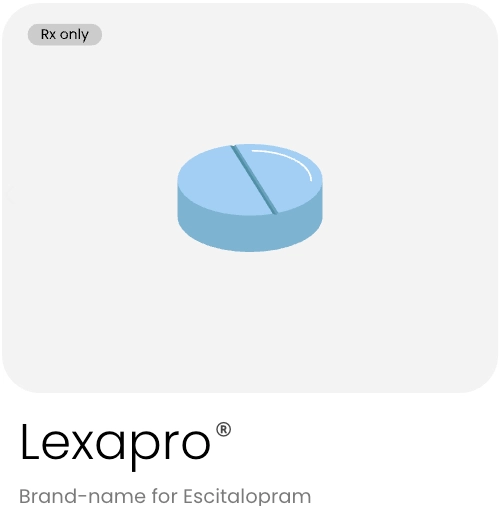
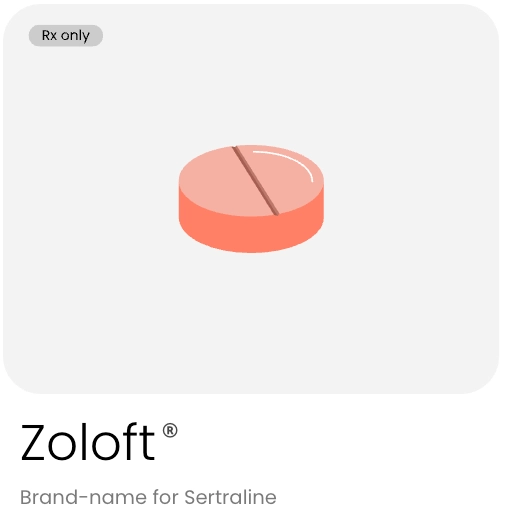
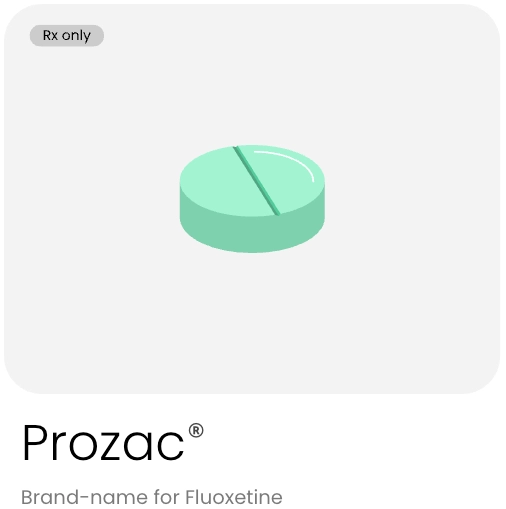
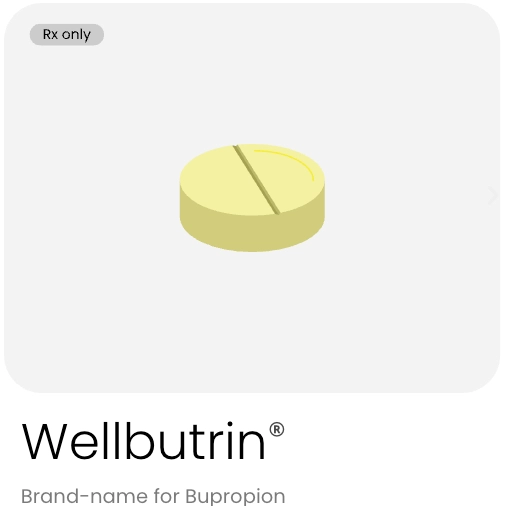
Our mission is to make depression treatment accessible, responsive, and tailored to each person’s needs. Depression often makes reaching out difficult, so we offer timely appointments and affordable care designed for real life. Patients can message their provider directly, ensuring ongoing guidance and close monitoring. We remove traditional barriers such as endless phone calls and long waitlists. Our goal is to provide compassionate, personalized support that helps you regain stability, emotional balance, and renewed hope. We’re here to provide Depression treatment and other mental health services in West Palm Beach, FL.
Depression can present itself in many different ways. There are many signs and symptoms to watch out for.
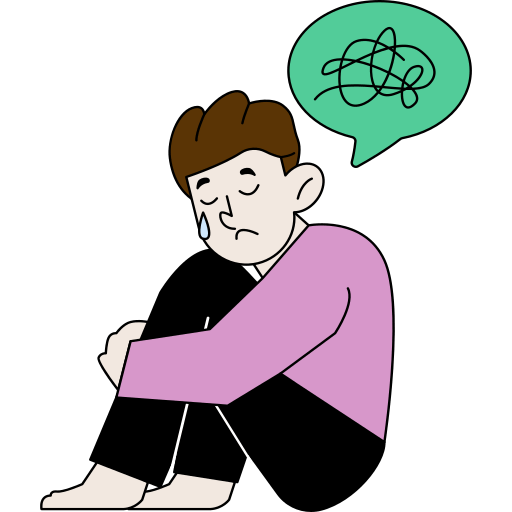
Feeling hopeless is common in depression when anxiety keeps scanning for threats, leaving little mental space for hope or confidence.
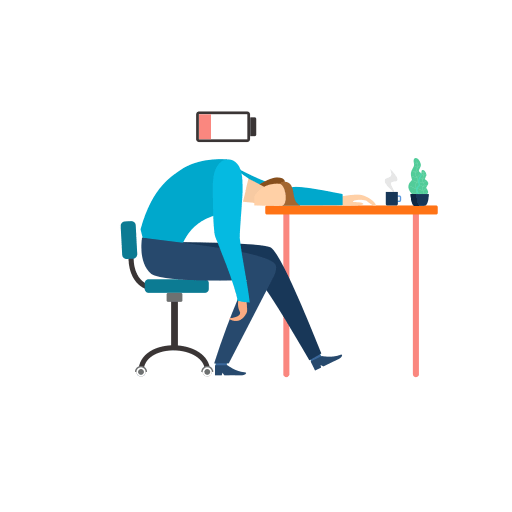
In depression, low energy may lead to avoiding responsibilities, not from laziness, but from a genuine sense of depletion.
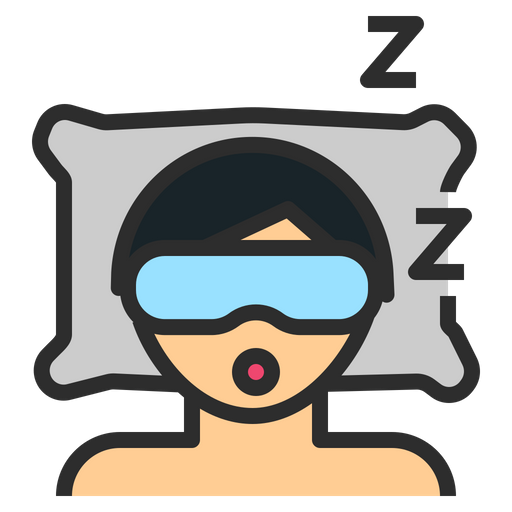
Depression can cause sleep changes that disrupt daily functioning, affecting work performance, relationships, and overall well-being.
Difficulty focusing can make depression feel worse, as unfinished tasks and mistakes may increase feelings of guilt or hopelessness.

In depression, irritability often comes with negative thinking, where the mind interprets neutral events as disrespectful or frustrating.
Depression often removes spontaneous enjoyment, so waiting to feel like doing things can keep you stuck. Pleasure scheduling means planning small enjoyable activities even if pleasure is not guaranteed. Choose low effort options: a favorite show, a warm bath, a simple coffee ritual, a short drive with music. Rate mood before and after to collect data. Even small improvements matter. This approach teaches your brain to reengage with reward pathways through repetition. Pleasure may return gradually, and scheduling makes space for it to reappear
West Palm Beach can be fast paced, and depression may follow prolonged overstimulation and stress. People may feel drained, disconnected, and unable to recharge. Instead of pushing harder, focus on recovery boundaries: reduce constant input, limit multitasking, and build quiet transitions between activities. Simple routines around sleep, meals, and short movement support mood chemistry. Therapy can help identify burnout patterns and restore meaning. Depression often lifts as the nervous system shifts from constant alert into steadier regulation.
We offer medication management for mental health conditions such as ADHD, anxiety, depression, insomnia, and bipolar disorder.
It may show up in work as inconsistent productivity, where bursts of excellence alternate with stalled days, not due to effort, but due to attention regulation.
It can distort time, making upcoming events feel impossibly close and overwhelming, while the present moment disappears under planning, rehearsing, and mental contingency maps.
Family members may notice bipolar disorder through sleep changes, sudden projects, spending sprees, or irritability at first, then later through withdrawal, tearfulness, and loss of initiative.
Insomnia may come with a sense of hyperawareness, where every sound, thought, or sensation keeps sleep from arriving.
Yes. In West Palm Beach, depression can mix with overstimulation. Noise, traffic, crowds, and constant demands may leave someone feeling emotionally shut down rather than simply sad. The brain becomes fatigued and starts numbing out as protection. This can look like withdrawal, irritability, or zoning out. Reducing input helps, quieter routines, fewer commitments, protected rest. Depression is not always low energy alone, sometimes it is the aftermath of too much strain.
Busyness does not cancel depression. In West Palm Beach, people may keep moving from task to task because stopping feels scary. Stillness can bring emotions forward, so productivity becomes avoidance. Eventually, exhaustion grows and mood drops further. Depression often requires care, not constant motion. Creating intentional pauses, even short ones, helps the nervous system recover. Support begins when someone allows space for rest and honesty rather than treating activity as the only solution.
Daily rhythm matters. In West Palm Beach, long commutes and packed schedules can worsen depression by draining energy before the day begins. Depression then makes small tasks feel heavier, creating a cycle of fatigue and avoidance. A helpful approach is building recovery buffers, brief decompression after work, simple meals, consistent wake time. Even ten minutes of quiet transition helps. Depression improves when life includes breathing room instead of nonstop output.
Yes. Depression can create detachment, where someone feels present physically but distant emotionally. In West Palm Beach, loved ones may notice someone going quiet, seeming uninterested, or avoiding connection. This is often numbness, not lack of care. Depression reduces emotional availability because the brain is conserving energy. Small honest communication helps prevent misunderstanding. Connection does not need to be intense, even brief contact can keep relationships from drifting while recovery unfolds.
Depression is not always tears. In West Palm Beach, some people experience depression as irritability, frustration, or feeling easily overwhelmed. When the nervous system is depleted, minor stressors feel unbearable. This can lead to guilt and conflict. Recognizing irritability as a symptom helps reduce self blame. Rest, reduced overload, and support often soften this pattern. Mood steadies as depression lifts and emotional reserves rebuild.
The first step is often small and physical. In West Palm Beach, that might mean stepping outside for morning light, drinking water, or doing one simple task before the mind spirals. Depression often improves when inertia is interrupted in tiny ways. Waiting for motivation usually keeps you stuck. Small action creates evidence of movement. Over time, these moments accumulate, and life becomes less narrow and more livable again.
Reviewed by Mind Mechanic Clinical Oversight
Last updated: January 28, 2026

