Several FDA-approved medications have been clinically proven to improve sleep patterns. Learn more in our detailed insomnia medication guide.
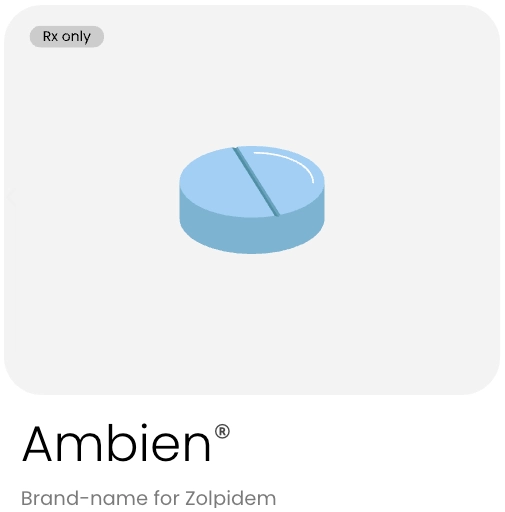
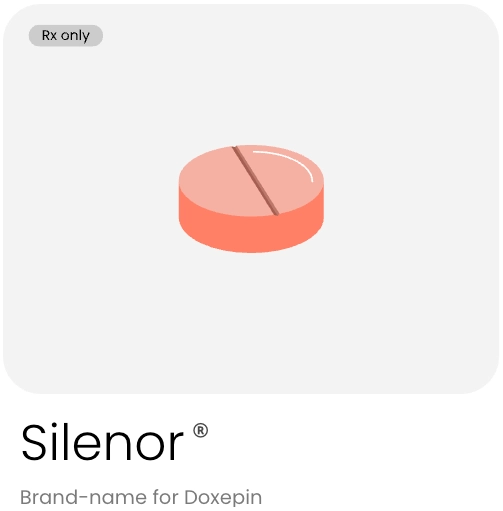
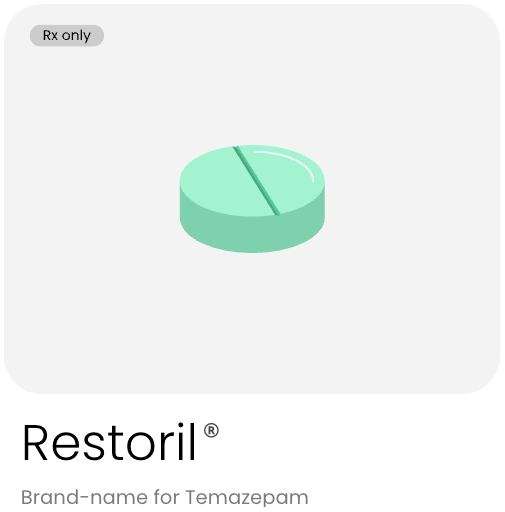
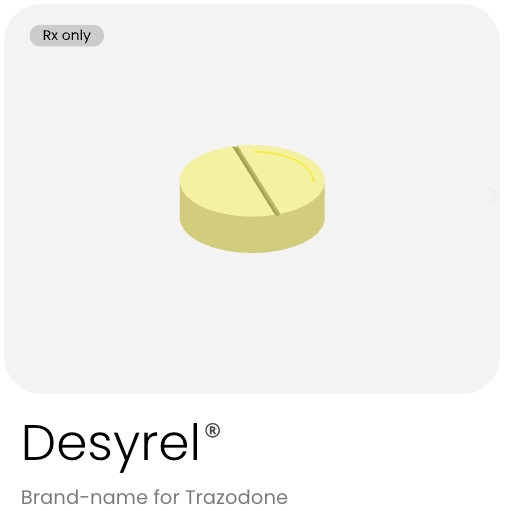
We are committed to helping individuals struggling with insomnia receive affordable, accessible psychiatric care without unnecessary delays. Sleeplessness affects mood, focus, and daily life, so we provide timely appointments and direct messaging with your provider for ongoing support. Traditional mental health systems often create barriers between patients and care, but we prioritize connection and close monitoring. Our mission is to offer personalized insomnia treatment that feels supportive, modern, and responsive, helping you rebuild healthier sleep patterns and overall wellness. We’re here to provide insomnia treatment and other mental health services in Royal Palm Beach, FL.
Insomnia can present itself in many different ways. There are many signs and symptoms to watch out for.
With insomnia, waking up tired can create a cycle where daytime exhaustion increases stress, which then worsens sleep the next night.
With insomnia, irritability may feel unpredictable, as mood shifts quickly when the body is running on limited sleep and recovery.
With insomnia, trouble focusing may feel unpredictable, as some moments are clear while others feel scattered and mentally exhausting.
With insomnia, careless mistakes may feel unpredictable, as some moments are clear while others are scattered and mentally exhausting.

With insomnia, delayed reflexes may feel unpredictable, as some moments are sharper while others feel slowed by exhaustion.
Sleep medications can be helpful, but they work best with a plan. Some are for short term relief, others for longer support, and each has tradeoffs like morning grogginess or tolerance. If you use medication, pair it with behavioral changes so you are not relying on a single tool. Track what you took, when, and how you slept, so decisions are data driven. Never mix sedatives with alcohol, and discuss other medications that may affect sleep. The goal is safe support while you rebuild strong sleep habits. Ask about interactions and taper plans so you stay in control of the strategy.
Royal Palm Beach insomnia sometimes has a simple hidden cause caffeine timing. Caffeine can linger and fragment sleep even if you fall asleep quickly. Start by moving your last caffeinated drink earlier then earlier again until sleep improves. Many sensitive sleepers do best with caffeine only in the morning. Watch for hidden sources like energy drinks pre workout and chocolate. If you love the ritual switch to decaf after lunch. As caffeine load drops you may notice fewer middle night wakeups and less jittery thinking at bedtime. Also check tea and soda labels.
We offer medication management for mental health conditions such as ADHD, anxiety, depression, insomnia, and bipolar disorder.
Many adults with ADHD mask struggles quietly, appearing capable while internally battling disorganization, overwhelm, and constant mental noise during routines.
Anxiety can lead to constant checking or reassurance seeking, as the brain tries to regain control over uncomfortable uncertainty.
Depression often reduces motivation, making it hard to start tasks, not because of laziness, but because the mind and body feel depleted.
Bipolar disorder may involve irritability as well as euphoria, where elevated moods sometimes feel agitated, restless, or easily frustrated.
In Royal Palm Beach, stress or lingering mental activity can keep the nervous system alert, making it hard to fall asleep. Residents often lie in bed replaying the day or planning tomorrow. Establishing a short, calming pre-sleep routine like reading, gentle stretches, or soft music helps signal that it is safe to rest. Over time, the body learns to transition naturally from wakefulness to sleep without forcing it.
Yes. Changing bedtime or wake times frequently confuses the circadian rhythm, making sleep harder. Residents who stay up late on weekends or wake inconsistently may experience delayed sleep onset. Maintaining a steady wake time, exposure to morning light, and a predictable evening routine help anchor the body clock. Even small adjustments create stability, allowing the brain to anticipate rest, which over time reduces difficulty falling asleep and supports more consistent sleep duration.
Exposure to bright screens and engaging content delays melatonin release and keeps the brain alert. Royal Palm Beach residents checking emails, social media, or watching TV near bedtime may struggle to fall asleep. Limiting screen use thirty to sixty minutes before bed and replacing it with low-stimulation activities like reading, journaling, or gentle stretching allows the nervous system to downshift. Over weeks, this helps sleep onset and reduces nighttime awakenings.
Absolutely. Temperature, bedding, noise, and lighting all affect sleep continuity. Royal Palm Beach residents may wake repeatedly if the room is too warm, bedding is heavy, or light enters. Adjusting room temperature, using breathable sheets, blackout curtains, and steady background sound can reduce micro-arousals. Small environmental tweaks create a predictable and safe environment, signaling the nervous system to relax. This improves deep sleep stages and overall restfulness without relying solely on medication.
Yes. Thinking about tomorrow or worrying about not sleeping increases alertness, making sleep harder. Residents may lie awake rehearsing problems or calculating lost hours, which reinforces insomnia. Techniques like journaling earlier in the evening, planning a small next step, and engaging in calming pre-sleep routines help reduce tension. Over time, the brain learns that bed is a safe space, lowering anticipatory stress and allowing sleep to occur more naturally and predictably.
Even minor disturbances like subtle noise, temperature changes, or body sensations can trigger brief awakenings. Residents may not notice these arousals consciously, but they fragment sleep. Introducing steady background noise, maintaining a stable and comfortable room temperature, and having a calming pre-sleep routine signals safety to the nervous system. With consistent cues, the brain consolidates sleep into longer stretches, reducing interruptions and improving overall restorative sleep.
Reviewed by Mind Mechanic Clinical Oversight
Last updated: January 28, 2026

